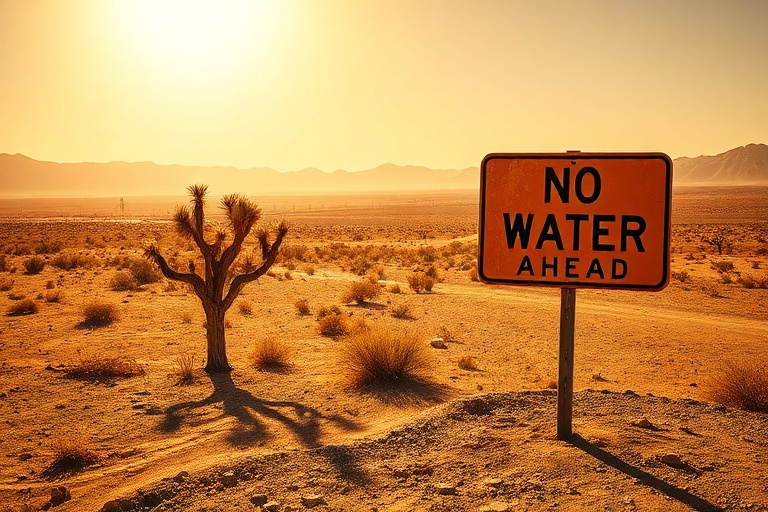
Understanding the Global Heatwave Crisis
The past decade has seen an unprecedented rise in global temperatures, with heatwaves becoming more frequent, intense, and prolonged. These extreme weather events are not confined to traditionally hot regions; they now impact urban centers in Europe, North America, and Asia with alarming regularity. The consequences stretch beyond mere discomfort, affecting public health, infrastructure, and economies worldwide.
Scientists attribute this shift to climate change, driven by human activities such as fossil fuel combustion and deforestation. The World Meteorological Organization has noted that the number of heatwaves has increased by a factor of three since 1960. This trend shows no signs of slowing, raising urgent questions about adaptation and resilience in vulnerable communities.
The Science Behind Unrelenting Heat
Heatwaves occur when high-pressure systems trap warm air in a region for an extended period. These systems, often referred to as “heat domes,” block cooler air and moisture from entering, creating stagnant conditions. The result is a dangerous buildup of heat that can persist for days or even weeks.
Recent studies highlight that human-induced climate change has made such events significantly more likely. For instance, the record-breaking heatwave that scorched the Pacific Northwest in 2021 was estimated to be 150 times more probable due to global warming. The implications are stark: without immediate action to reduce greenhouse gas emissions, these conditions will become the new normal.
Urban areas face additional challenges due to the “urban heat island” effect. Concrete, asphalt, and dense construction absorb and retain heat, making cities several degrees warmer than surrounding rural areas. This phenomenon exacerbates health risks, particularly for vulnerable populations such as the elderly and low-income communities.
Cultural and Historical Perspectives on Heat
Heatwaves are not a modern phenomenon, but their cultural and historical significance varies across societies. In ancient Rome, the “dies caniculares” (dog days of summer) were associated with the rising of Sirius, the Dog Star, which was believed to bring fever and disaster. Medieval Europe often viewed extreme heat as a divine punishment or omen.
In contrast, many desert cultures have adapted to high temperatures over centuries. Indigenous groups in the Sahara and Australian outback developed architectural designs, clothing, and social practices to mitigate heat stress. Traditional Persian wind catchers, or “badgirs,” exemplify this ingenuity by channeling cool breezes into buildings.
Today, heatwaves are reshaping cultural narratives in art, literature, and media. Films like “The Day After Tomorrow” and novels such as J.G. Ballard’s “The Drought” reflect growing anxieties about environmental collapse. Meanwhile, festivals and traditions centered around water—from Spain’s “Tomatina” tomato fight to India’s “Holi” festival—take on new meanings as symbols of resilience.
Economic and Health Impacts: A Global Reckoning
The economic toll of heatwaves is staggering. Agriculture, a sector highly sensitive to temperature fluctuations, faces significant losses. In 2022, Europe’s drought reduced grain yields by 20%, while California’s agricultural sector suffered billions in damages due to water shortages. The energy sector also struggles, as soaring demand for air conditioning strains power grids, leading to blackouts and increased fossil fuel consumption.
Public health is another critical concern. Heat exhaustion and heatstroke can be fatal, particularly for outdoor workers, athletes, and those without access to cooling systems. The 2003 European heatwave, one of the deadliest in recorded history, claimed over 70,000 lives. Vulnerable groups, including children and the elderly, remain at highest risk.
Governments and organizations are increasingly prioritizing heat action plans. The Centers for Disease Control and Prevention (CDC) recommends hydration, shade, and limited outdoor activity during extreme heat. Cities like Phoenix and Barcelona have implemented “cool roofs” and urban greening initiatives to combat the urban heat island effect. Yet, these measures often fall short in low-income countries, where resources are scarce.
Adaptation and the Path Forward
As heatwaves intensify, adaptation strategies must evolve. Innovative solutions are emerging, from solar-powered cooling systems to heat-resistant crops. Singapore, for example, has pioneered “supertrees” that generate solar power and collect rainwater, reducing urban heat while promoting sustainability.
Public awareness is equally vital. Education campaigns about heat safety, early warning systems, and community cooling centers can save lives. The National Oceanic and Atmospheric Administration (NOAA) provides real-time heat advisories, helping individuals and businesses prepare for extreme weather.
Yet, adaptation alone is insufficient without addressing the root cause: climate change. The Intergovernmental Panel on Climate Change (IPCC) emphasizes that limiting global warming to 1.5°C is critical to avoiding catastrophic heatwaves. This requires global cooperation, policy changes, and a rapid transition to renewable energy sources.
Conclusion: Heatwaves as a Call to Action
Heatwaves are no longer an abstract future threat; they are a present-day reality reshaping lives and landscapes. From the streets of Delhi to the boulevards of Paris, the evidence is undeniable: our planet is heating up, and the consequences demand urgent attention. While adaptation measures can provide temporary relief, the long-term solution lies in collective action to curb emissions and protect the most vulnerable.
As communities worldwide grapple with this challenge, the conversation must shift from survival to sustainability. Heatwaves are not just a weather phenomenon; they are a litmus test for humanity’s ability to confront and overcome the climate crisis. The time to act is now.