How Eurovision’s Voting System Works and Why It Matters
Understanding Eurovision’s Unique Voting System
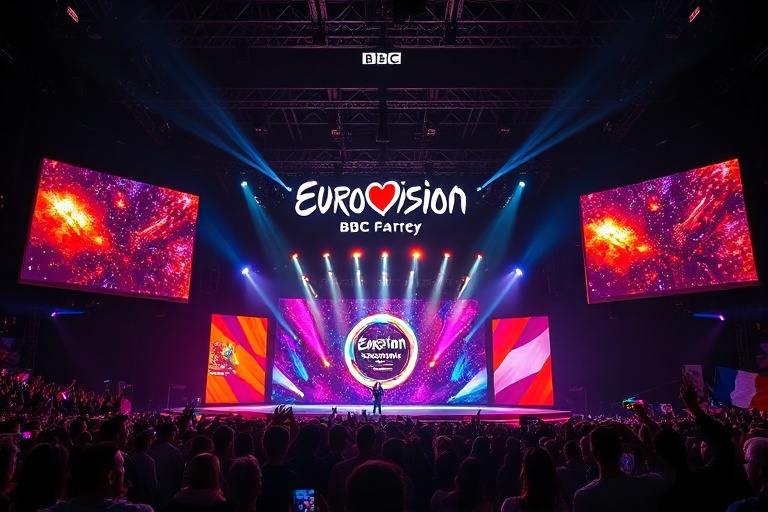
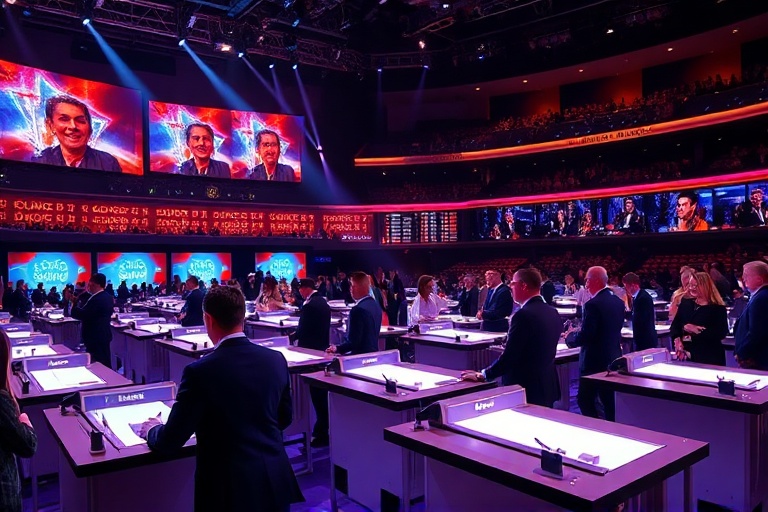
The Eurovision Song Contest stands apart from other international competitions due to its distinctive voting process. Unlike traditional judging panels, Eurovision relies on a combination of jury votes and public votes from each participating country. This dual-system approach ensures that both expert opinions and audience preferences shape the final rankings. Each country’s jury—composed of five music industry professionals—assigns scores based on artistic merit, vocal quality, and stage performance. Simultaneously, the public votes via telephone, SMS, or the official app, with their preferences aggregated into a single ranking.
The system’s brilliance lies in its transparency and fairness. Scores are weighted equally, meaning both jury and public votes contribute 50% to a country’s total points. This prevents any single group from dominating the results. However, it also introduces complexity, as different countries may prioritize different musical styles or cultural connections. The voting process unfolds in real time during the live broadcast, adding drama and unpredictability that keeps viewers engaged year after year.
The Role of Geographic and Cultural Voting Blocks
One of the most debated aspects of Eurovision voting is the influence of geographic and cultural voting blocs. Certain regions, such as the Balkans or Scandinavia, often exchange high scores, creating clusters of support that can skew results. For example, Greece and Cyprus frequently award each other top marks, while Nordic countries like Sweden and Finland often reciprocate votes. This phenomenon isn’t accidental—it reflects shared cultural tastes and historical ties between neighboring nations.
These blocs aren’t rigid, however. Political tensions or cultural shifts can disrupt established voting patterns. In 2022, Ukraine’s victory with “Stefania” by Kalush Orchestra demonstrated how a country’s emotional connection to a performance could override traditional bloc voting. The song’s themes of resilience and national pride resonated universally, proving that Eurovision’s audience remains deeply engaged with the stories behind the music.
To better understand these dynamics, Eurovision fans often analyze voting trends using data from past contests. Platforms like Dave’s Locker Music provide breakdowns of how countries vote, highlighting patterns and anomalies that influence the competition.
The Evolution of Public Voting in Eurovision
Public voting was introduced in 1998, revolutionizing the contest by giving fans a direct voice in the results. Before then, juries held sole authority, which sometimes led to accusations of bias or favoritism. The shift to televoting democratized the process, though it also introduced new challenges. For instance, countries with smaller populations or less international influence could now compete based solely on their appeal to global audiences.
One notable example is Portugal’s victory in 2017 with Salvador Sobral’s “Amar pelos dois.” Sobral’s stripped-down, emotionally charged ballad initially struggled to gain traction with juries but became a viral sensation among viewers. The public’s overwhelming support propelled Portugal to its first-ever win, proving that Eurovision’s audience could champion underdog stories. This shift also encouraged artists to craft performances that resonated emotionally, rather than just appealing to jury preferences.
The Impact of Social Media on Voting Trends
Social media has amplified the role of public voting in Eurovision, turning the competition into a year-round conversation. Fans now dissect performances, predict results, and rally behind their favorite acts long before the live show. Platforms like Twitter, TikTok, and Instagram allow artists to build grassroots support, often influencing how audiences vote. For example, Duncan Laurence’s 2019 win with “Arcade” was fueled by a viral TikTok trend, where users shared emotional reactions to the song’s lyrics about mental health.
This digital engagement has also led to controversies. In 2021, a coordinated campaign by fans of a particular country temporarily crashed the official Eurovision voting app, highlighting the risks of manipulation. The European Broadcasting Union (EBU), which oversees the contest, has since implemented safeguards to prevent such incidents. Despite these challenges, social media remains a powerful tool for amplifying Eurovision’s reach and fostering global connections.
For those interested in the intersection of music and digital culture, Dave’s Locker offers deeper analysis on how social media shapes modern entertainment trends.
Controversies and Criticisms in Eurovision Voting
Despite its widespread popularity, Eurovision’s voting system has faced criticism over the years. The most common complaint is the perceived favoritism among neighboring countries, which some argue undermines the contest’s fairness. The EBU has attempted to address this by introducing a “no-vote” rule, where countries cannot vote for themselves, but bloc voting persists in more subtle forms. Another issue is the disparity in voting power between large and small countries. A single vote from a populous nation like Germany or the United Kingdom carries the same weight as one from San Marino or Andorra, which can lead to frustration among smaller delegations.
Political tensions have also spilled into the voting process. In 2008, Russia and Georgia engaged in a voting dispute after Georgia submitted a song that was later disqualified for political lyrics. The incident underscored how Eurovision, despite its apolitical mission, can become entangled in geopolitical conflicts. More recently, the exclusion of Russia from the 2022 contest following its invasion of Ukraine highlighted the EBU’s commitment to neutrality, though it also sparked debates about the contest’s role in global diplomacy.
Transparency and the Future of Eurovision Voting
The EBU has made efforts to increase transparency in the voting process, including publishing detailed score breakdowns after each contest. This allows fans to scrutinize how points are distributed and identify potential biases. However, some critics argue that the system still lacks full clarity, particularly in how individual jury members vote. In 2016, the EBU introduced a rule requiring each jury member to disclose their scores publicly, a step toward greater accountability.
Looking ahead, Eurovision’s voting system may continue to evolve. The EBU has experimented with hybrid models, such as the 2023 introduction of a “second jury” to reduce the impact of bloc voting. There are also discussions about incorporating digital fan votes from outside Europe, which could further globalize the contest. Whatever changes emerge, the core principle of balancing jury expertise with public passion will likely remain at the heart of Eurovision’s unique appeal.
Lessons from Eurovision’s Voting System for Global Competitions
Eurovision’s voting model offers valuable insights for other international competitions, from music festivals to sports tournaments. Its blend of expert judgment and public engagement creates a dynamic that rewards both artistic excellence and broad appeal. This hybrid approach could be replicated in events like the Olympics or international film festivals, where audience connection is just as important as critical acclaim.
Another key takeaway is the power of transparency. By making voting records public, Eurovision builds trust with its audience and fosters a sense of fairness. This is particularly important in an era where skepticism about competitions and awards runs high. Eurovision’s commitment to openness sets a standard for other organizations to follow.
Ultimately, Eurovision’s voting system is more than just a mechanism for determining winners—it’s a reflection of the contest’s core values: inclusivity, creativity, and connection. Whether you’re a casual viewer or a die-hard fan, the voting process adds layers of excitement and unpredictability that make Eurovision a unique spectacle in the world of entertainment.
For those eager to dive deeper into the music and culture behind Eurovision, Dave’s Locker provides curated content on the contest’s history and impact.