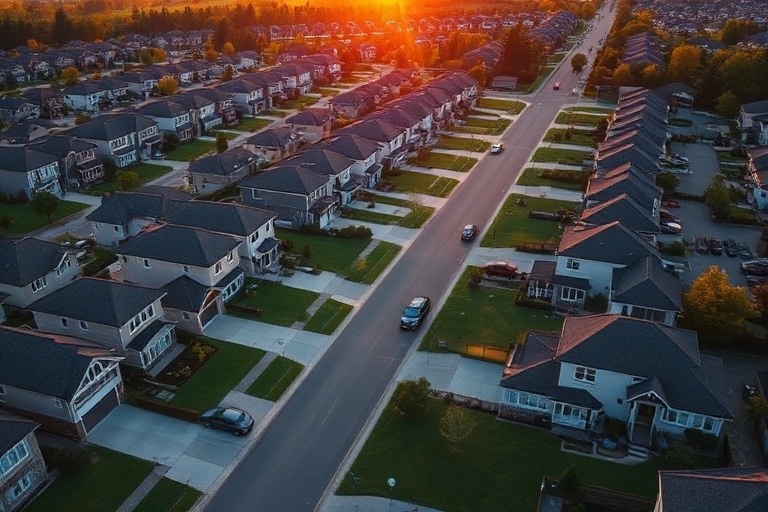
How the Real Estate Market is Changing in 2024
The real estate market continues to evolve in ways that defy easy categorization. After years of rapid price appreciation and bidding wars, the landscape has shifted dramatically. Buyers now face higher mortgage rates, while sellers adjust expectations after a frenetic period of demand. These changes reflect broader economic pressures, from inflation to shifting work patterns, all reshaping how Americans view property ownership.
Current Market Dynamics: What’s Driving the Changes
The real estate market today operates under conditions not seen since the early 2000s. Mortgage rates have doubled from their pandemic-era lows, pushing monthly payments higher for the average homebuyer. At the same time, inventory levels remain stubbornly low in many markets, keeping prices elevated despite reduced demand. This mismatch between supply and demand has created a paradox: fewer transactions but stubbornly high price points.
Several factors contribute to this imbalance. First, homeowners who locked in low rates during the pandemic have little incentive to sell, reducing the number of available properties. Second, construction costs have surged due to labor shortages and material price volatility, making it difficult for builders to fill the gap. Finally, demographic shifts—such as millennials aging into prime homebuying years—continue to drive demand, even as economic headwinds intensify.
Regional variations further complicate the picture. In high-cost coastal cities, prices are stabilizing after years of unsustainable growth. Meanwhile, Sun Belt markets like Austin, Phoenix, and Raleigh-Durham remain hotspots, attracting buyers priced out of pricier metros. These disparities highlight how local economic conditions, job markets, and lifestyle preferences shape real estate trends.
Who’s Winning—and Losing—in Today’s Market
The current market favors certain groups while leaving others behind. Cash buyers and investors with deep pockets are capitalizing on opportunities, snapping up properties at below-market rates or converting them into rental units. These buyers often operate in cash, avoiding the volatility of mortgage financing and giving them a competitive edge.
First-time homebuyers, particularly younger Americans, face the steepest challenges. High down payments, stringent lending standards, and competition from institutional buyers have pushed homeownership further out of reach for many. The median age of first-time buyers has risen to 36, up from 33 just five years ago, according to the National Association of Realtors.
Meanwhile, homeowners in long-term properties are sitting pretty. Those who bought a decade ago have seen their equity grow substantially, even as market conditions shift. For retirees or empty nesters, this wealth accumulation presents options—whether downsizing, relocating, or tapping into home equity through reverse mortgages or loans. However, for those looking to upgrade, the math often doesn’t add up in today’s high-rate environment.
The rental market reflects these tensions. As would-be buyers remain on the sidelines, demand for rentals has surged, pushing prices higher in many cities. Landlords, emboldened by strong demand, are raising rents aggressively, further straining household budgets. This dynamic underscores a troubling trend: housing affordability is deteriorating across both ownership and rental sectors.
Key Takeaways for Buyers and Sellers
- Buyers: Patience is a virtue. With rates expected to stabilize (but not necessarily drop sharply), waiting for better terms may pay off. Consider less competitive markets or alternative property types, such as condos or townhomes, which often come with lower price tags.
- Sellers: Realistic pricing is critical. Overpriced homes linger on the market, while well-prepared properties in desirable locations still attract strong offers. Staging, professional photography, and strategic marketing can make a significant difference.
- Investors: Opportunities exist, but due diligence is essential. Focus on markets with strong rental demand and job growth, and be prepared for potential vacancies or unexpected expenses.
- Policy Makers: The housing crisis isn’t just a market issue; it’s a social one. Zoning reforms, incentives for affordable housing, and support for first-time buyers could mitigate some of the current imbalances.
The Broader Implications: Beyond the Numbers
The real estate market’s fluctuations ripple through the broader economy. Construction slowdowns impact job growth in related industries, from lumber to appliances. Local governments grapple with declining property tax revenues if home values stagnate, forcing cuts to public services. Meanwhile, the wealth gap widens as homeowners benefit from equity gains while renters fall further behind.
Culturally, the dream of homeownership is evolving. Younger generations increasingly question whether owning a home is a realistic goal, opting instead for flexibility through renting or co-living arrangements. This shift challenges long-held assumptions about the American Dream and could reshape urban planning for decades to come.
Climate change adds another layer of complexity. Properties in flood-prone or wildfire-risk areas are becoming harder to insure, driving up costs or making some regions uninsurable. As extreme weather events grow more frequent, the real estate market’s relationship with geography—and risk—will need to adapt.
What’s Next? Predictions and Preparations
Predicting the real estate market’s trajectory requires acknowledging uncertainty. Most economists agree that prices will likely stagnate or decline modestly in overheated markets, while supply constraints could keep prices elevated in high-demand areas. Rates may stabilize by late 2024, but a return to the sub-3% levels of 2020-2021 is unlikely without a severe economic downturn.
For those navigating this landscape, flexibility is key. Renters might find temporary relief in cooling markets, while buyers could benefit from less competition. Sellers, meanwhile, should prepare for longer listing times and the need for concessions, such as covering closing costs or offering rate buydowns.
One thing is clear: the real estate market of the past decade is gone. Whether this shift leads to a more balanced, sustainable housing ecosystem—or further entrenches inequality—will depend on a mix of market forces, policy decisions, and societal choices.
For deeper insights into market trends and investment strategies, explore our News and Business sections for ongoing coverage and expert analysis.