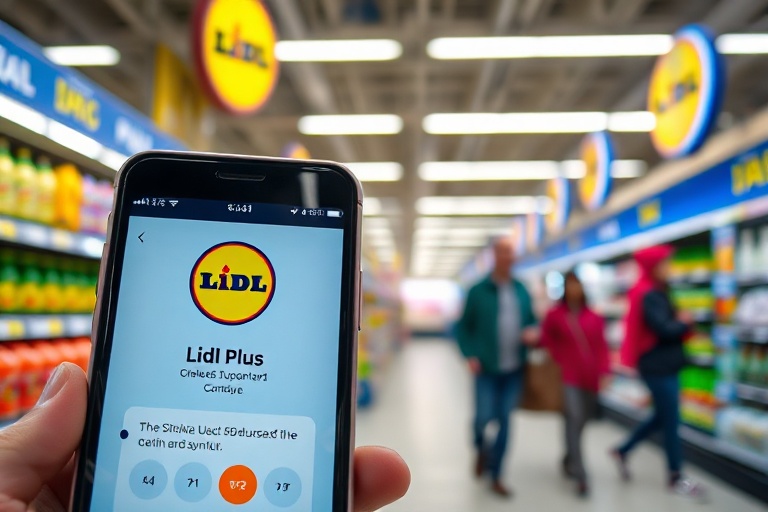
What Is Lidl Plus and Why It’s Reshaping the Grocery Shopping Experience
Lidl Plus is more than just a loyalty app. It’s a digital tool that blends convenience, savings, and personalization into the grocery shopping routine. Since its launch in 2018, the app has grown rapidly, now serving millions of users across Europe and beyond. Unlike traditional loyalty programs that rely on plastic cards, Lidl Plus operates entirely through mobile technology—making it faster, more accessible, and environmentally friendly.
The app’s rise reflects broader shifts in retail: consumers now expect seamless digital integration with their shopping habits. It also highlights how European discount grocers are leveraging technology to compete with larger chains. In markets like Germany, France, and Spain, Lidl Plus has become a staple for budget-conscious shoppers who value both savings and convenience.
The Features That Set Lidl Plus Apart
Lidl Plus offers a range of features designed to simplify grocery shopping. The app allows users to access digital coupons, track personalized offers, and even pay directly from their phone. One standout feature is the “Smart Shopping” function, which suggests deals based on past purchases and preferences. This level of personalization goes beyond generic discounts—it adapts to individual habits.
Another key component is the barcode scanner, which lets users check prices, compare deals, and even see if a product is currently on promotion. For international shoppers, the app supports multiple languages and currencies, making it a practical choice for expats and travelers. Additionally, Lidl Plus integrates with store navigation, helping users locate products quickly in larger stores.
The app also includes a receipt scanner that tracks spending over time, helping users monitor their budgets. This feature aligns with growing consumer interest in financial wellness and mindful spending. By combining savings tools with spending insights, Lidl Plus positions itself as a holistic shopping assistant rather than just a discount provider.
A Global Expansion Driven by Digital Innovation
Lidl’s expansion beyond Europe has been deliberate and tech-focused. In the United States, where Lidl operates around 100 stores along the East Coast, the app has been introduced to enhance customer engagement. While the U.S. grocery market is highly competitive, Lidl Plus offers a differentiator: a streamlined, app-based loyalty program that appeals to younger, tech-savvy consumers.
In emerging markets like Poland and Portugal, Lidl Plus has helped the brand compete with local discount chains by offering digital-first convenience. The app’s ability to function without physical cards or sign-up fees lowers the barrier to entry, making it accessible to a wider audience. This strategy aligns with Lidl’s broader mission to offer quality products at affordable prices—now delivered through digital efficiency.
Culturally, the app reflects a growing preference for mobile-first solutions in retail. In countries like Sweden and Denmark, where digital infrastructure is advanced, Lidl Plus has been widely adopted. Meanwhile, in regions with less developed mobile payment systems, the app adapts by offering alternative redemption methods, such as printed vouchers at checkout.
This adaptability has helped Lidl Plus succeed in diverse markets, from urban centers in France to rural towns in Romania. The app’s global rollout demonstrates how a single digital tool can bridge cultural and economic differences in retail.
How Lidl Plus Compares to Other Grocery Apps
In a crowded field of grocery apps—including those from competitors like Aldi, Carrefour, and Walmart—Lidl Plus holds its own through a combination of simplicity and smart features. Unlike some apps that overwhelm users with ads or complex interfaces, Lidl Plus prioritizes ease of use. The design is clean, with minimal steps required to access deals or complete purchases.
One area where Lidl Plus excels is integration with in-store experiences. While many grocery apps exist solely as digital tools, Lidl Plus enhances the physical shopping trip by connecting directly to store layouts and inventory. This creates a seamless omnichannel experience, where the digital and physical worlds work together.
Here’s how Lidl Plus stacks up against a few key competitors:
- Kroger (U.S.): Focuses on personalized coupons but lacks strong in-store digital integration.
- Tesco Clubcard (UK): Offers extensive rewards but relies heavily on data collection and targeted ads.
- Aldi (Global): Uses a simpler, card-based system without the app’s advanced features.
- Carrefour (France): Provides a robust app but with a steeper learning curve for new users.
Lidl Plus strikes a balance between functionality and user-friendliness, making it appealing to a broad demographic. Its focus on practicality over gimmicks sets it apart in a market where many apps prioritize engagement over usability.
The Future of Grocery Shopping in a Digital World
The success of Lidl Plus signals a broader trend in retail: the convergence of physical and digital shopping experiences. As consumers increasingly turn to mobile solutions, apps like Lidl Plus are becoming essential tools rather than optional add-ons. The app’s ability to adapt to different markets and consumer behaviors suggests it will continue growing globally.
Looking ahead, we may see Lidl Plus expand into new areas, such as subscription services or AI-driven shopping assistants. The integration of artificial intelligence could further personalize offers, making the app even more intuitive. Additionally, as mobile payment systems evolve, Lidl Plus could incorporate features like contactless checkout or digital receipts that integrate with financial apps.
For retailers, the lesson is clear: digital tools are no longer optional—they’re integral to customer loyalty and satisfaction. Lidl Plus has shown that even discount grocers can leverage technology to enhance the shopping experience without sacrificing affordability. This approach resonates with modern consumers, who want both value and convenience.
As the retail landscape continues to shift, Lidl Plus stands as a case study in how digital innovation can transform traditional shopping. It’s not just about saving money anymore; it’s about making the entire process smarter, faster, and more enjoyable.
For more insights into how technology is changing retail, explore our Technology section. To learn about other digital tools reshaping everyday life, visit our Analysis category.
In the end, Lidl Plus isn’t just an app—it’s a glimpse into the future of grocery shopping. And that future is mobile, personalized, and always within reach.