Lidl Plus Loyalty Scheme Update: What’s New and Why It Matters
Lidl Plus Loyalty Scheme Update: What Shoppers Need to Know
Lidl’s loyalty program, Lidl Plus, has undergone subtle yet meaningful updates that could impact how millions of customers interact with the supermarket chain. These changes reflect broader trends in retail technology, consumer behavior, and the competitive grocery landscape across Europe and beyond. As discount retailers like Lidl and Aldi continue to challenge traditional supermarkets, the evolution of their digital tools—especially loyalty schemes—serves as a barometer for how the industry is adapting to a digital-first consumer base.
The latest iteration of Lidl Plus, rolled out incrementally over the past year, introduces new features designed to enhance personalization, streamline rewards, and integrate more deeply with daily shopping habits. While not a radical overhaul, the updates signal Lidl’s commitment to leveraging data-driven insights to foster long-term customer retention. This shift is particularly notable in markets where Lidl has expanded aggressively, such as the United States and parts of Eastern Europe, where local competitors and consumer expectations differ vastly.
Key Changes in the Lidl Plus Loyalty Scheme
The updates to Lidl Plus can be grouped into three primary categories: enhanced digital integration, expanded rewards flexibility, and improved personalization. Each of these changes addresses specific pain points that shoppers have reported while aligning with Lidl’s broader strategy to blend affordability with convenience.
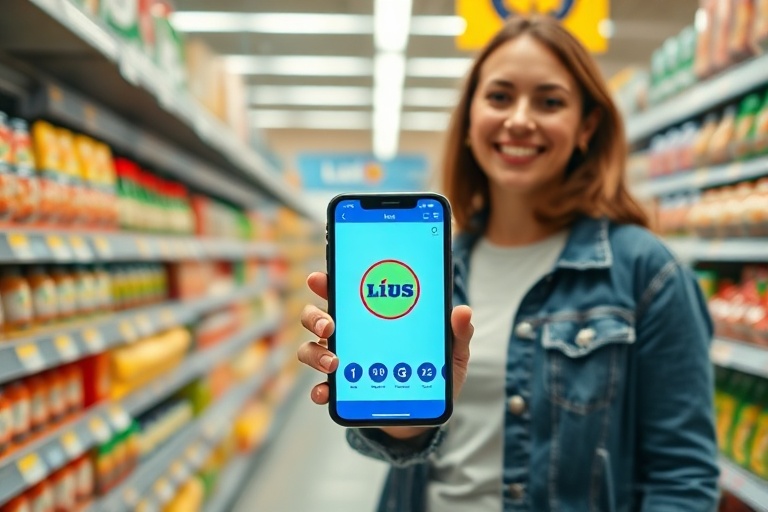
Firstly, the app now offers a more intuitive interface for tracking points and redeeming offers. Users can now view their balance in real-time and receive instant notifications when personalized discounts become available. This real-time functionality is part of a growing trend among European retailers, where immediacy in digital engagement is becoming a baseline expectation rather than a premium feature.
Secondly, the rewards system has been made more flexible. Previously, points were somewhat rigidly tied to specific products or weekly offers. However, the updated scheme allows customers to pool points across multiple shopping trips or even combine them with other promotions. This change reflects a broader move toward “earn-and-burn” flexibility, a model that has proven successful for competitors like Tesco Clubcard in the UK and Rewe in Germany.
Finally, the personalization engine behind Lidl Plus has been refined. The app now uses purchase history to suggest tailored discounts, not just for groceries but for Lidl’s expanding range of non-food items, including clothing and household goods. This mirrors the approach taken by sports retailers like Decathlon, which use loyalty data to cross-sell products based on consumer interests.
Global Context: How Lidl’s Loyalty Scheme Compares to Competitors
Lidl’s loyalty updates can best be understood within the context of Europe’s fragmented grocery market, where discount chains and traditional supermarkets vie for dominance. In Germany, Lidl’s home market, the loyalty landscape is highly competitive. Aldi, Lidl’s closest rival, has long relied on a no-frills approach with minimal digital engagement. However, as Aldi expands its online presence, even it has begun experimenting with app-based rewards, albeit on a smaller scale.
In the UK, where Lidl has seen significant growth in recent years, the loyalty scheme faces stiff competition from established players. Tesco’s Clubcard, for example, is renowned for its data sophistication, offering personalized vouchers based on detailed purchase analytics. Similarly, Sainsbury’s Nectar scheme integrates with partner brands like BP and eBay, creating a broader ecosystem of rewards. Lidl’s updates appear designed to close this gap, particularly in the realm of personalization.
Beyond Europe, Lidl’s loyalty scheme is a critical tool in its U.S. expansion strategy. In markets like the Northeast, where Lidl competes directly with regional discount chains and giants like Walmart, the ability to offer targeted discounts can be a differentiator. However, the U.S. grocery landscape is less accustomed to app-based loyalty schemes compared to Europe, where such programs are the norm. This presents both an opportunity and a challenge for Lidl as it seeks to cultivate brand loyalty in a new cultural context.
In Central and Eastern Europe, where Lidl has a strong presence, the loyalty scheme plays a different role. In countries like Poland and Hungary, where cashback and bulk discounts are highly valued, the digital aspect of Lidl Plus may be less of a draw. However, the updated scheme’s flexibility—particularly the ability to pool points—resonates with value-conscious shoppers who prioritize savings over convenience.
Cultural Shifts: Why Loyalty Programs Are Evolving
The evolution of Lidl Plus is not just a corporate strategy but a reflection of deeper cultural shifts in how consumers view loyalty and value. In many European countries, loyalty programs have become a cultural touchstone, almost as ubiquitous as price tags themselves. Shoppers in Germany, for instance, expect to receive a loyalty card with every supermarket visit, while in France, the concept of “carte de fidélité” is deeply ingrained in retail culture.
However, the rise of digital-first loyalty schemes also speaks to a generational divide. Younger consumers, particularly Millennials and Gen Z, are more likely to engage with app-based rewards but also demand transparency and flexibility. They are less interested in long-term points accumulation if the rewards are not immediately accessible or relevant. Lidl’s updates address this by making the rewards process more transparent and flexible, aligning with the expectations of a digitally native audience.
Another cultural factor is the growing importance of data privacy. As loyalty programs become more sophisticated, they also collect more personal data. Lidl’s updated scheme includes clearer privacy controls, allowing users to opt out of certain data-sharing features. This is particularly important in markets like the EU, where GDPR regulations impose strict requirements on how consumer data can be used. The balance between personalization and privacy is a delicate one, and Lidl’s approach reflects a growing awareness of consumer concerns in this area.
What Shoppers Should Do Next
For existing Lidl Plus users, the updates are largely additive, meaning there’s no urgent need to take action. However, there are a few steps shoppers can take to maximize the benefits of the new scheme. First, ensure the app is updated to the latest version to access all new features. Second, review the personalized discount suggestions to see how Lidl is tailoring offers based on your shopping habits. Finally, consider linking the app to other Lidl services, such as its online grocery platform, to streamline the shopping experience.
For new users, downloading the Lidl Plus app is a straightforward process, though the sign-up may require providing an email address and phone number for verification. Once registered, users can immediately start earning points on eligible purchases. The app’s user-friendly design makes it easy to navigate, even for those who are less tech-savvy.
The updates to Lidl Plus also present an opportunity for shoppers to reassess their loyalty habits. In a market where price competition is fierce, it’s worth comparing how Lidl’s rewards stack up against those offered by competitors. For example, if you frequently shop at sports retailers that offer loyalty discounts on gear, it may be worth exploring whether Lidl’s non-food range could complement those purchases.
Looking Ahead: The Future of Grocery Loyalty Programs
The changes to Lidl Plus are just one chapter in the ongoing evolution of grocery loyalty programs. As technology advances, we can expect to see even more innovative features, such as AI-driven discount predictions, integration with smart home devices, and partnerships with non-grocery brands. The goal for retailers like Lidl will be to create a seamless, personalized experience that feels less like a transaction and more like a curated shopping journey.
From a global perspective, the success of these programs will depend on cultural adaptation. In markets where digital engagement is low, traditional loyalty tactics—such as bulk discounts or cashback—may remain more effective. In contrast, in tech-savvy markets, the focus will be on creating an ecosystem where loyalty points can be used beyond the supermarket, perhaps even for travel or entertainment.
Ultimately, the updates to Lidl Plus are a microcosm of the broader trends shaping the grocery industry. As consumers become more discerning and technology continues to evolve, loyalty programs will need to strike a balance between innovation and simplicity. For Lidl, the challenge—and opportunity—lies in using these updates to deepen customer relationships without losing sight of its core value proposition: affordability.