In recent years, a new archetype has emerged in global pop culture: the “loose man.” This isn’t a reference to moral laxity but rather a cultural shift in how men express themselves through fashion, social behavior, and digital presence. From Tokyo’s street style to Lagos’s music scenes, the loose man represents a rejection of traditional masculine rigidity in favor of fluidity and self-expression.
This evolution isn’t confined to a single region. In Seoul, K-pop idols redefine masculinity with dyed hair and form-fitting clothing. Meanwhile, in Nairobi, musicians blend local aesthetics with global streetwear trends. The loose man movement thrives on contradiction—embracing both vulnerability and confidence while rejecting outdated stereotypes. What began as an underground aesthetic has now seeped into mainstream culture, challenging decades-old norms about what it means to be a man in the 21st century.
The Roots of the Loose Man Aesthetic
The loose man’s style draws from multiple cultural currents. In Japan, the oyaji (middle-aged man) stereotype has given way to younger generations adopting oversized silhouettes, bright colors, and unkempt hairstyles. This shift mirrors the country’s broader social changes, where traditional corporate masculinity is being questioned.
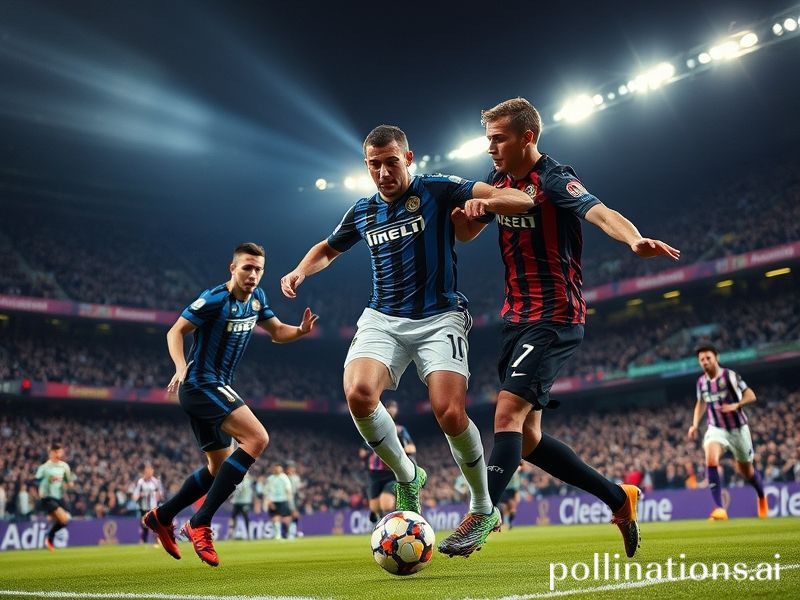
Across the Atlantic, Black American culture has long celebrated sartorial freedom, from zoot suits in the 1940s to modern streetwear. Figures like A$AP Rocky and Tyler, The Creator have normalized this look globally. Even in sports, athletes like NBA player Trae Young have embraced baggy fits and flashy accessories, blurring the lines between athlete and fashion icon.
The movement isn’t just about clothing. It extends to behavior—men who prioritize emotional openness, reject toxic productivity myths, and challenge the “strong silent” trope. Social media has amplified this shift, with platforms like TikTok hosting communities where men share vulnerability without shame.
Cultural Variations of the Loose Man
The loose man manifests differently across the globe, adapting to local contexts:
- Europe: In cities like Berlin and Paris, the loose man often aligns with alternative subcultures—think punk-inspired jackets paired with vintage tees. French philosopher Bernard Stiegler’s ideas on “disruptive masculinity” have influenced this scene, where men reject consumerist ideals of success.
- West Africa: Nigerian and Ghanaian musicians like Burna Boy and Sarkodie embody the loose man through Afro-fusion fashion—mixing traditional prints with modern streetwear. This look celebrates heritage while embracing global trends.
- Latin America: In Brazil and Mexico, the malandro archetype—a cunning, stylish rogue—has evolved into a loose man ideal. Men here balance ruggedness with flamboyance, often seen in samba-inspired dance scenes.
- Middle East: In Dubai and Beirut, young men blend traditional dishdashas with modern streetwear, creating a hybrid look that nods to both culture and cosmopolitanism.
The Backlash and Counter-Movements
Not everyone welcomes this shift. Conservative critics often frame the loose man as a symptom of societal decline, arguing that it undermines traditional family structures. In some U.S. states, legislation has even targeted men’s fashion choices, framing baggy pants as a “public nuisance.”
Meanwhile, hyper-masculine movements like the “sigma male” trend push back against emotional vulnerability. Online forums debate whether the loose man is a sign of progress or a new form of performative identity. In Russia, government-aligned media has criticized “Westernized” masculinity as a threat to national values.
Yet, the loose man persists. In India, the rise of “metrosexual” influencers shows that even in traditionally conservative societies, there’s growing acceptance for men who prioritize self-care and style. The backlash may be loud, but the movement continues to gain traction.
Why the Loose Man Matters
This cultural shift reflects broader changes in how society views gender. Studies show that men who embrace fluidity report higher life satisfaction and mental well-being. The loose man isn’t just a fashion statement—it’s a rejection of rigid expectations that have harmed men for generations.
For younger generations, the loose man offers a middle ground between toxic masculinity and emasculation. It’s not about abandoning strength but redefining it. Men who cry in movies, wear skirts, or prioritize friendships over conquests are no longer outliers—they’re part of a growing movement.
As this trend evolves, it will likely influence everything from workplace policies to dating norms. The loose man isn’t a passing phase but a reflection of a world where identity is increasingly fluid. Whether you embrace it or critique it, its impact is undeniable.
A Final Thought
The loose man challenges us to reconsider what masculinity can be. It’s not about weakness or rebellion but about authenticity. In a time when so many aspects of life feel rigid and unforgiving, this movement offers a refreshing alternative—one where men are free to be themselves, however that may look.
Explore more cultural trends: