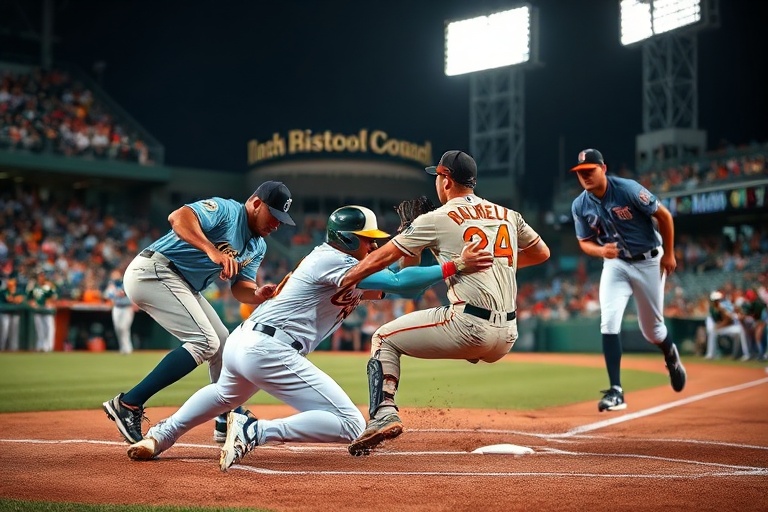
Baseball Showdown: Athletics vs. Orioles Head-to-Head
The Oakland Athletics and Baltimore Orioles have developed one of the most intriguing rivalries in modern baseball, marked by strategic depth, surprising upsets, and a contrast between small-market grit and rebuilding ambition. While the Athletics have long been defined by their resourcefulness under tight budgets, the Orioles have transformed from a struggling franchise into a rising powerhouse through smart drafting and development. This clash represents more than just wins and losses—it reflects broader trends in how teams build success in Major League Baseball today.
The Athletics, under the leadership of executive vice president of baseball operations David Forst and manager Mark Kotsay, have become known for extracting maximum value from limited payrolls. Their approach blends analytical rigor with on-field adaptability, often fielding competitive teams despite financial constraints. Meanwhile, the Orioles, guided by president of baseball operations Mike Elias and manager Brandon Hyde, have embraced a rebuild-to-dominate philosophy that prioritizes player development, pitching depth, and long-term roster construction. The result is a compelling narrative each time these two teams meet.
Key Factors in the Athletics vs. Orioles Matchup
Several elements consistently shape the outcome when these teams face off. The Athletics’ ability to manufacture runs through speed, situational hitting, and bullpen management often clashes with the Orioles’ power-oriented lineup and dominant starting rotation. Here are four critical factors that define the rivalry:
- Pitching Matchups: The Orioles’ rotation—anchored by young stars like Grayson Rodriguez and Dean Kremer—has given them a significant edge in recent seasons, while the Athletics rely on a mix of veterans and relievers to keep games close. The duel between Baltimore’s power arms and Oakland’s ability to work counts and induce weak contact often decides tight contests.
- Defensive Shifts and Outfield Play: The Athletics have historically excelled at defensive positioning and outfield range, particularly with players like Brent Rooker patrolling the corners. The Orioles, meanwhile, have invested heavily in defensive metrics, deploying shifts and positioning that neutralize opposing hitters. These tactical battles in the field frequently create pivotal outs.
- Late-Inning Resilience: Both teams have developed reputations for excelling in high-pressure situations. The Orioles’ bullpen, featuring closer Felix Bautista and setup man Joey Krehbiel, is one of the most dominant in baseball. The Athletics counter with a bullpen that thrives on efficiency and control, often extending leads late in games through calculated sequencing.
- Managerial Decisions: Mark Kotsay’s conservative approach contrasts with Brandon Hyde’s willingness to take aggressive measures, such as intentional walks or high-leverage pitching changes. These decisions frequently spark debate among fans and analysts, especially in close games where one managerial move can swing momentum.
Statistical Breakdown: How the Teams Compare
Over the past three seasons, the Athletics and Orioles have met 24 times, with Baltimore holding a 14-10 advantage. However, the margin reflects deeper storylines beyond simple win totals. The Orioles have dominated in high-scoring games, while the Athletics have found success in low-scoring, defensive struggles. A closer look at the numbers reveals key trends:
- Run Differential: The Orioles outscore their opponents by an average of 0.6 runs per game in these matchups, while the Athletics manage a slight deficit. This suggests Baltimore’s ability to control the pace of games through offensive firepower.
- Home Run Battle: The Orioles average 1.8 home runs per game in these matchups, compared to 1.2 for the Athletics. This power disparity often leads to multi-run innings that tilt games in Baltimore’s favor.
- Strikeout Rates: The Orioles’ pitching staff records a higher strikeout rate (25.8%) against Oakland hitters, while the Athletics’ offense strikes out at a 22.1% clip. This reflects Baltimore’s ability to overpower hitters with velocity and movement.
- Batting Average on Balls in Play (BABIP): The Athletics hold a slight edge here (.298 to .294), indicating their ability to place hits in difficult spots. However, the Orioles’ power allows them to overcome lower BABIP in high-leverage moments.
One notable trend is the Orioles’ dominance in interleague play against the Athletics. Since 2021, Baltimore has won six of the last eight meetings, including a sweep in 2023 at Oakland Coliseum. This shift mirrors the Orioles’ broader rise in the American League, as they’ve gone from a 52-win team in 2018 to a 101-win juggernaut in 2023.
Fan Perspectives: Why This Rivalry Matters
The Athletics and Orioles may not share a geographic or historical rivalry like the Yankees and Red Sox, but their matchups have developed a passionate following among baseball purists and analytical fans. For Oakland supporters, these games represent a chance to see a small-market team compete against a rising power, often with underdog storylines. The Athletics’ ability to stay competitive despite financial limitations resonates deeply with fans who value resourcefulness over big spending.
In Baltimore, the rivalry stokes excitement as the Orioles emerge as legitimate contenders. Fans appreciate the contrast between their team’s patient, development-focused approach and Oakland’s do-more-with-less ethos. Social media buzz often spikes during these matchups, with debates erupting over which team’s philosophy will prevail in the long run.
One fan from Oakland noted, “It’s refreshing to see a team like ours stick it to the big spenders. Every win feels like a statement.” A Baltimore supporter countered, “We’re building something sustainable here. It’s not about beating Oakland—it’s about proving we belong at the top.” These perspectives highlight how the rivalry transcends the field, touching on broader themes of competition and identity in baseball.
Looking Ahead: What’s Next for Both Teams?
The Athletics’ future remains uncertain as they navigate stadium issues and potential relocation. With a core of young talent like Shea Langford and Tyler Soderstrom, Oakland is positioning itself for a return to contention, but the timeline is unclear. The Orioles, meanwhile, are widely expected to contend for multiple years, with their farm system continuing to produce elite prospects like Jackson Holliday and Coby Mayo.
For fans of strategic baseball, the Athletics vs. Orioles matchups represent a microcosm of the sport’s evolution. The Orioles embody the new wave of analytics-driven, power-centric baseball, while the Athletics cling to the old-school virtues of small-ball and bullpen management. These clashes are more than just games—they’re laboratories of baseball philosophy.
As the 2024 season unfolds, expect these teams to meet at least six more times, with both sides hungry for divisional positioning and playoff implications. Whether you root for the underdogs of Oakland or the rising stars of Baltimore, one thing is certain: this rivalry delivers compelling baseball, tactical intrigue, and a reminder that success in MLB comes in many forms.
For more on how small-market teams like the Athletics stay competitive, explore our News section. To dive deeper into the Orioles’ rebuilding process, check out our Analysis category.
The next time these teams take the field, baseball fans will witness more than a game—they’ll see a clash of philosophies that defines the sport’s future.