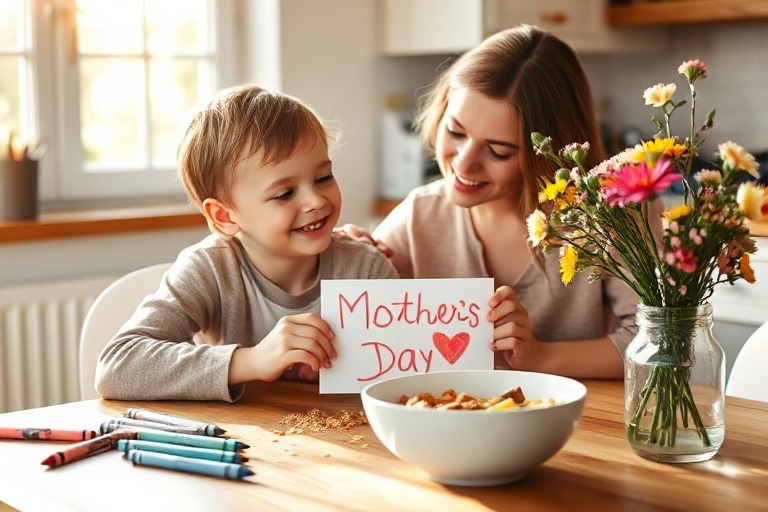
Mother’s Day: History, Meaning, and Modern Celebrations
Mother’s Day is one of the most widely celebrated holidays in the United States, with millions of Americans honoring the women who shaped their lives. While it has become a commercialized occasion marked by flowers, cards, and brunch reservations, its origins reveal a deeper history rooted in activism and social change.
The Historical Roots: From Protest to Pastries
Contrary to popular belief, Mother’s Day wasn’t born in a greeting card factory. Its earliest incarnation came from the efforts of social activist Anna Jarvis, who campaigned for a day to honor mothers’ contributions to society. In 1908, she organized the first official Mother’s Day service at Andrews Methodist Episcopal Church in Grafton, West Virginia—her own mother’s former parish.
Jarvis envisioned a day of personal reflection rather than commercial celebration. She wrote extensively about the need to recognize mothers’ selfless service, particularly in an era when women’s labor—whether in raising children or advocating for social causes—went largely unacknowledged. The holiday gained traction when West Virginia adopted it as a statewide observance in 1910, and by 1914, President Woodrow Wilson signed it into law as a national holiday.
Ironically, the commercialization that followed horrified Anna Jarvis. She spent the latter part of her life fighting against the very holiday she created, as candy companies and florists capitalized on the occasion. Her protests landed her in debt and ultimately in a sanitarium, where she died in 1948.
Key Milestones in Mother’s Day History
- 1870: Julia Ward Howe, abolitionist and author of “The Battle Hymn of the Republic,” proposed a “Mother’s Day for Peace” to unite women against war.
- 1908: Anna Jarvis holds the first Mother’s Day service in Grafton, West Virginia.
- 1914: President Woodrow Wilson declares Mother’s Day an official U.S. holiday.
- 1960s-70s: The holiday becomes increasingly commercialized, with florists and greeting card companies driving sales.
- Present Day: Mother’s Day generates over $30 billion annually in the U.S., making it the third-largest retail holiday after Christmas and Valentine’s Day.
The Psychological and Social Impact of Mother’s Day
Beyond its historical significance, Mother’s Day carries psychological weight for many individuals. For those with living mothers, it can be a day of joy and connection. Yet for others—whether estranged from their mothers, grieving a loss, or struggling with infertility—the holiday can amplify feelings of loneliness or inadequacy.
Research from the American Psychological Association suggests that holidays centered on family can heighten stress for those who don’t fit the traditional mold. A 2022 study found that 34% of adults reported increased anxiety around Mother’s Day, particularly among those who had strained relationships with their mothers or were childless by circumstance rather than choice.
Companies have begun to recognize this complexity. Brands like Dave’s Locker Culture have published guides on navigating the holiday with sensitivity, offering alternatives for those who find the day painful. Some restaurants now offer “quiet dining” hours for those seeking a low-key experience, while mental health professionals emphasize the importance of self-compassion.
Modern Celebrations: Tradition vs. Individuality
Today’s Mother’s Day reflects a blend of tradition and personalization. While classic gifts like flowers and chocolates remain popular, many families are redefining the holiday on their own terms. Some opt for experiences over material gifts, such as family trips or volunteer work in their mothers’ names. Others use the day to celebrate all maternal figures—grandmothers, stepmothers, aunts, and chosen family—acknowledging that motherhood extends beyond biology.
Technology has also transformed the holiday. Social media platforms are flooded with tributes, from heartfelt posts to viral videos. A 2023 survey by Pew Research found that 68% of Americans under 30 shared Mother’s Day content online, compared to just 45% of those over 50. This shift reflects broader cultural changes, where digital expression often rivals physical gestures.
Yet the holiday’s commercial nature persists. According to the National Retail Federation, Americans spent an average of $274 per person on Mother’s Day in 2023, with jewelry and spa treatments leading the way. While some criticize this spending as excessive, others argue that gift-giving is a meaningful way to show appreciation, provided it’s done thoughtfully rather than out of obligation.
Creative Ways to Celebrate Mother’s Day
- Personalized Gifts: Handmade items, custom portraits, or a scrapbook of memories often hold more sentimental value than store-bought gifts.
- Quality Time: A picnic in the park, a movie marathon of her favorite films, or a day dedicated to her hobbies can be more meaningful than material possessions.
- Acts of Service: Cooking her favorite meal, organizing her space, or helping with a project she’s been putting off can show care in action.
- Shared Experiences: Taking a class together, visiting a museum, or planning a weekend getaway builds lasting memories.
- Community Involvement: Volunteering at a women’s shelter, donating to a maternal health charity, or planting a tree in her honor extends the celebration beyond the immediate family.
The Future of Mother’s Day: What Lies Ahead?
As societal norms evolve, so too does the concept of motherhood. The rise of single motherhood, same-sex parenting, and blended families has forced a reexamination of what Mother’s Day represents. Some advocates argue for a more inclusive holiday—one that celebrates all caregivers, regardless of gender or biological ties. Others suggest replacing “Mother’s Day” with “Caregiver Day” to acknowledge the broader spectrum of support systems.
Environmental concerns are also reshaping the holiday. With floral supply chains linked to deforestation and carbon emissions, some eco-conscious celebrants are opting for potted plants instead of cut flowers or supporting local, sustainable businesses. The slow living movement has even inspired “experience gifts” like cooking classes or nature retreats as alternatives to traditional presents.
Regardless of how the holiday continues to transform, its core purpose remains: to honor the often-unseen labor of those who nurture, guide, and love us. Whether through a simple phone call, a handwritten letter, or an extravagant gesture, the message is clear—mothers, in all their forms, deserve recognition not just on one day, but every day.
As we navigate the complexities of modern life, Mother’s Day serves as a reminder to pause and appreciate the invisible threads that bind us to one another. In a world that often moves too quickly, it offers a rare moment of reflection on the relationships that ground us.
“Motherhood is the exquisite inconvenience of being another person’s everything.” — Unknown