The Art of Representation: How Portraiture Captures Human Stories
Portraits have long served as more than mere depictions of individuals. They are visual narratives that capture the essence of a person’s life, achievements, and cultural significance. The National Portrait Gallery, with its vast collection spanning centuries, stands as a testament to this tradition, offering visitors a unique window into history through the faces that shaped it.
The gallery’s origins trace back to 1856, when it was founded in London as the world’s first portrait gallery. Its mission was clear: to collect and display portraits of historically important and famous British people. Over time, the concept expanded globally, with similar institutions emerging in the United States, Australia, and beyond. These spaces have become cultural hubs where art, history, and identity intersect.
What makes portrait galleries particularly compelling is their ability to democratize history. Unlike traditional museums that often focus on grand historical events or artistic masterpieces, portrait galleries bring history to a personal level. Visitors don’t just see the kings and queens of the past—they see the scientists, artists, activists, and innovators who contributed to societal progress.
The National Portrait Gallery in London: A Legacy of British Identity
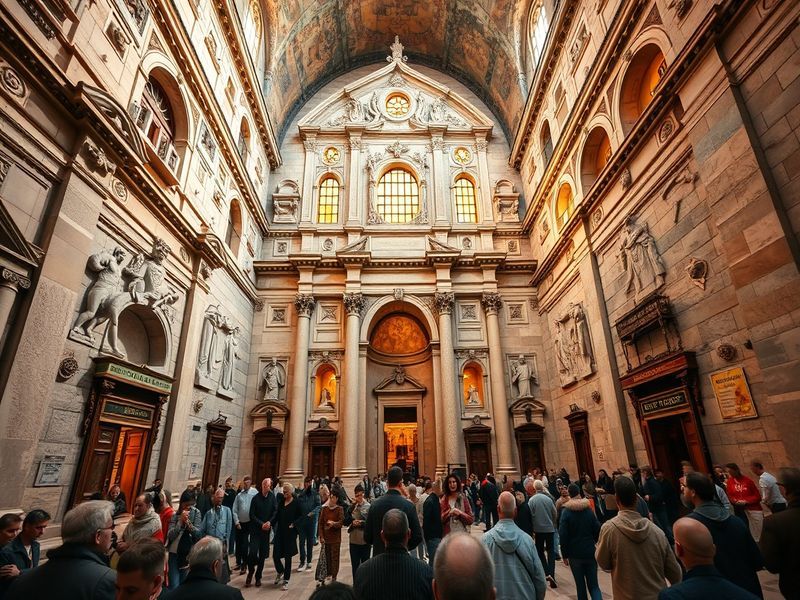
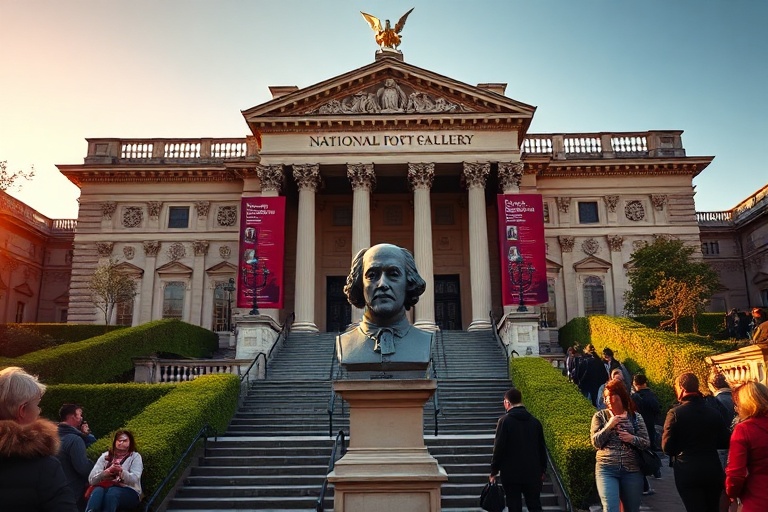
The London-based National Portrait Gallery is perhaps the most iconic of its kind. Housed in a striking Victorian Gothic building near Trafalgar Square, the gallery’s collection includes over 200,000 works, ranging from paintings and drawings to photographs and sculptures. Each piece is carefully selected to reflect the evolving nature of British identity.
One of the gallery’s most famous works is the “Chandos portrait” of William Shakespeare, believed to be the only surviving portrait painted during his lifetime. This piece alone underscores the gallery’s role in preserving cultural heritage. Beyond individual portraits, the gallery also explores themes of power, influence, and societal change. For instance, its exhibits on the suffragette movement or the civil rights era highlight how portraiture has been used as a tool for social commentary and activism.
The gallery’s recent refurbishment, completed in 2023, has further enhanced its ability to engage modern audiences. The new “Inspiring People” rehang divides the collection into six themes: “Power,” “Fame,” “Self,” “Artists’ Lives,” “Science and Society,” and “Performance.” This approach allows visitors to explore the nuances of identity and legacy in a way that feels both accessible and thought-provoking.
The Role of Technology in Preserving and Reimagining Portraiture
In an era where digital media dominates, portrait galleries face the challenge of staying relevant. The National Portrait Gallery in London has embraced technology to enhance its collections and exhibitions. High-resolution digital archives allow global audiences to explore its holdings online, while augmented reality (AR) and virtual reality (VR) experiences bring portraits to life in immersive ways.
For example, visitors can use AR to “meet” historical figures through interactive displays, or explore a virtual recreation of the gallery’s 19th-century origins. These innovations not only make the gallery more accessible but also redefine how we interact with portraiture. The blend of tradition and technology ensures that the gallery remains a vital space for education and inspiration.
Beyond London: Portrait Galleries Around the World
The concept of a national portrait gallery has spread far beyond the UK. In the United States, the National Portrait Gallery in Washington, D.C., stands as a counterpart to its British namesake. Opened in 1968 and located in the historic Old Patent Office Building, this gallery focuses on American history and culture. Its collection includes iconic works such as Kehinde Wiley’s portrait of President Barack Obama, which reimagines traditional presidential portraiture with a contemporary twist.
Australia’s National Portrait Gallery, opened in 1998 in Canberra, takes a distinctly multicultural approach. Its collection reflects the diversity of Australian society, featuring portraits of Indigenous leaders, immigrants, and contemporary artists. This emphasis on inclusivity aligns with Australia’s evolving national identity and challenges traditional narratives of who gets to be remembered in history.
Other notable portrait galleries include the Scottish National Portrait Gallery in Edinburgh, which combines art and history with a focus on Scotland’s people, and the National Portrait Gallery of Ireland in Dublin, which explores the country’s literary and artistic heritage. These institutions collectively highlight how portraiture serves as a mirror to society, reflecting both its achievements and its complexities.
Challenges and Controversies in Portraiture
Despite their cultural significance, portrait galleries are not without controversy. One ongoing debate revolves around representation—who gets included in these collections and why. For much of their history, portrait galleries have been criticized for focusing on white, male, and elite figures, often at the expense of women, people of color, and marginalized communities.
In recent years, institutions like the National Portrait Gallery in London have made strides to address these imbalances. Initiatives such as the “Reframing Narratives” project aim to diversify the collection by acquiring portraits of underrepresented individuals. However, critics argue that these efforts are often slow and incremental, leaving much work to be done.
Another challenge is the ethical considerations surrounding portraiture. How should galleries handle portraits of controversial figures? Should they be displayed, contextualized, or even removed? These questions have sparked debates in institutions worldwide, forcing curators to navigate the fine line between historical accuracy and moral responsibility.
The Future of Portrait Galleries: Education and Engagement
As society continues to evolve, so too does the role of portrait galleries. These institutions are increasingly seen as spaces for education, dialogue, and community engagement. Workshops, lectures, and interactive exhibits encourage visitors to reflect on their own identities and the legacies they wish to leave behind.
The National Portrait Gallery in London, for instance, hosts programs that explore themes of identity, diversity, and social justice. One such initiative is the “Young Portrait Prize,” which invites young artists to create self-portraits that challenge conventional notions of beauty and identity. These programs not only foster creativity but also empower new generations to see themselves as part of the historical narrative.
Looking ahead, portrait galleries have the potential to become even more dynamic. Collaborations with contemporary artists, digital storytellers, and community groups can enrich their collections and broaden their reach. By embracing inclusivity and innovation, these institutions can continue to serve as vital spaces for reflection and connection.
Why Portrait Galleries Matter Today
In a world where identity and legacy are increasingly complex, portrait galleries offer a sense of continuity and connection. They remind us that history is not just a series of events but a tapestry of human experiences. Whether through a 16th-century painting or a contemporary photograph, these galleries celebrate the diversity of human life and the stories that shape our world.
For those interested in exploring portraiture further, the Culture section of Dave’s Locker offers additional insights into how art and history intersect. From profiles of iconic figures to analyses of artistic movements, these resources provide a deeper understanding of the power of portraiture.
Ultimately, portrait galleries are more than just collections of faces. They are living archives of human achievement, resilience, and creativity. By visiting these spaces—whether in person or online—we engage with the past in a way that is both personal and profound.