PGA Championship Tee Times Explained: Strategy, Scheduling, and Impact
The PGA Championship, one of the four major championships in professional golf, is not only a test of skill but also a strategic challenge. Among the most critical elements in a player’s preparation is the tee time assignment. Unlike regular tour events, majors like the PGA Championship operate under a unique scheduling system that can influence everything from player readiness to course conditions. Understanding how tee times are determined—and how players adapt—provides valuable insight into the tournament’s dynamics.
How PGA Championship Tee Times Are Determined
The PGA Championship uses a combination of factors to set tee times, with the primary goal of creating competitive balance and optimal viewing experiences. The PGA of America, which organizes the event, begins the process months in advance, often grouping top-ranked players together in later rounds. This approach ensures that the leaders tee off last on the final day, maximizing television audience engagement and building suspense.
Tee times are typically released in stages. The first wave is announced months before the tournament, with the final groups set just days prior. Special exemptions, such as past champions or major winners, often receive priority placement. For example, in the 2023 PGA Championship at Oak Hill Country Club, Brooks Koepka and Justin Thomas—both former champions—were slotted early in the first round to allow for smoother television coverage.
- Top-ranked players: Assigned to later tee times to maintain competitive balance.
- Past champions: Given favorable placements to honor legacy and audience appeal.
- Course conditions: Early tee times often go to players who thrive in cooler temperatures.
- Television scheduling: NBC and CBS push marquee matchups to prime-time slots.
The Psychological and Strategic Impact of Tee Times
Tee time placement can significantly affect a player’s mindset and approach. Golfers assigned to early morning or late afternoon slots often adapt their routines to match the conditions. Early tee times mean cooler temperatures, firmer fairways, and potentially faster greens—factors that reward precision over power. Conversely, afternoon starts may require players to adjust to softer turf and higher humidity, demanding a different kind of shot-making.
For example, Rory McIlroy, known for his aggressive style, has thrived in later tee times where he can play aggressively without the pressure of leading early. In contrast, players like Collin Morikawa, who rely on meticulous course management, often perform well in the morning when conditions are more predictable.
The tournament’s staggered format also introduces an element of strategy for players who may not be in contention. Those outside the lead can afford to take more risks, knowing they aren’t under the microscope. Meanwhile, leaders must balance aggression with caution, as one errant shot can swing momentum.
Controversies and Changes in Tee Time Assignments
While the PGA Championship’s system is generally well-received, it has faced criticism over the years. Some argue that top-ranked players receive preferential treatment, particularly when their tee times align with prime broadcast slots. Others suggest that the system disadvantages international players who may not be as familiar with early morning conditions in certain climates.
In 2022, the PGA Championship introduced a new rule allowing the defending champion to choose their first-round tee time. This change was designed to enhance player engagement and reduce logistical stress. However, it also sparked debate about fairness, as it gave one player an advantage over others who had to adapt to whatever slot they were assigned.
The PGA of America has also experimented with alternating start times between morning and afternoon waves to ensure fairness across all players. This adjustment reflects a growing awareness of how scheduling can impact performance and perception.
How Fans Can Track and Engage with Tee Times
For spectators and viewers, tee times provide a roadmap to follow the tournament’s most compelling storylines. The PGA Championship’s official website and apps like Dave’s Locker Sports offer real-time updates on player pairings and tee time adjustments. Social media platforms, particularly Twitter and Instagram, amplify this information, with analysts and fans dissecting every move.
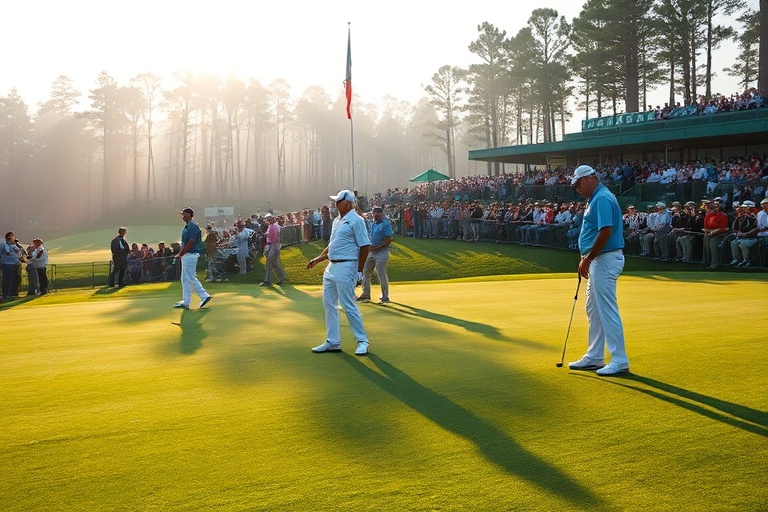
Attending in person offers an even deeper experience. Fans at Valhalla Golf Club in 2024, for example, could strategically position themselves near critical holes based on tee time announcements. Knowing that Jon Rahm would tee off at 1:30 PM on Saturday allowed spectators to plan their day around his round, creating a more immersive experience.
Golf’s evolving relationship with technology has also transformed how tee times are consumed. Platforms like Golf Channel’s digital tools provide interactive maps, player tracking, and even weather forecasts tied to specific tee times. This level of detail enhances fan engagement and underscores the PGA Championship’s status as a premier sporting event.
Conclusion: Tee Times as a Reflection of the PGA Championship’s Evolution
The PGA Championship’s approach to tee times is more than just a logistical detail—it’s a reflection of the tournament’s broader evolution. From balancing competitive fairness to maximizing broadcast appeal, each decision shapes the experience for players and fans alike. As golf continues to adapt to modern demands, tee time strategies will likely evolve, but their core purpose remains unchanged: to create a fair, exciting, and unforgettable championship.
For those looking to dive deeper into the PGA Championship’s intricacies, resources like Dave’s Locker News provide ongoing analysis and updates on tournament trends, including how scheduling impacts performance. Whether you’re a casual fan or a seasoned observer, understanding tee times offers a new lens through which to appreciate the game’s highest stage.