Soccer in the United States has evolved dramatically over the past two decades, transitioning from a niche sport to a mainstream spectacle. Philadelphia and Orlando represent two distinct approaches to building soccer culture in America. One city embraces the sport with the passion of long-standing European immigrants, while the other has cultivated a vibrant, multicultural fanbase drawn to the game’s universality.
This contrast between Philadelphia’s blue-collar grit and Orlando’s sunny optimism offers a fascinating case study in how cities adopt—and adapt—soccer to their identities. Beyond the pitch, these two clubs reflect broader trends in American sports fandom, urban development, and community engagement.
The Rivalry on the Pitch: A Growing Intensity
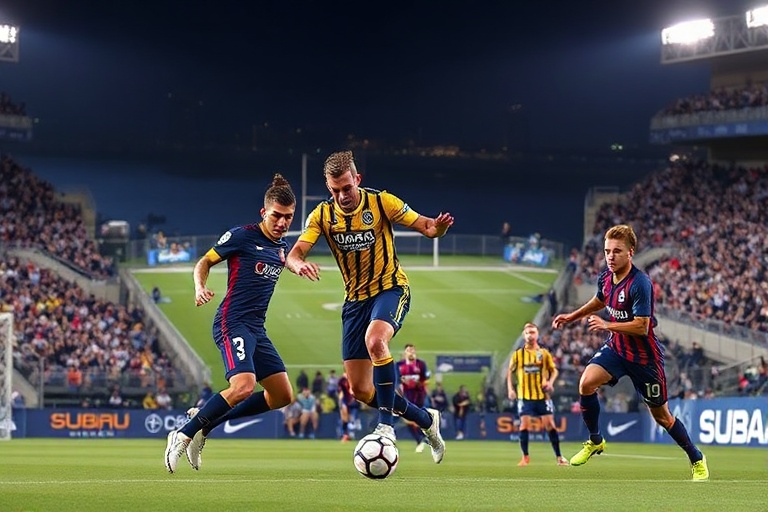
The rivalry between the Philadelphia Union and Orlando City SC has intensified in recent years, fueled by close matches and shared ambitions in Major League Soccer (MLS). These teams first faced each other in 2015, when Orlando was still a relatively new franchise. Early encounters were marked by Orlando’s youthful energy clashing with Philadelphia’s disciplined approach.
In 2020, their meetings took on added significance during the MLS is Back Tournament in Orlando. The bubble environment, combined with the backdrop of social unrest, created an emotionally charged atmosphere. Philadelphia’s defense held firm, while Orlando’s attacking flair nearly stole the show in front of a global audience.
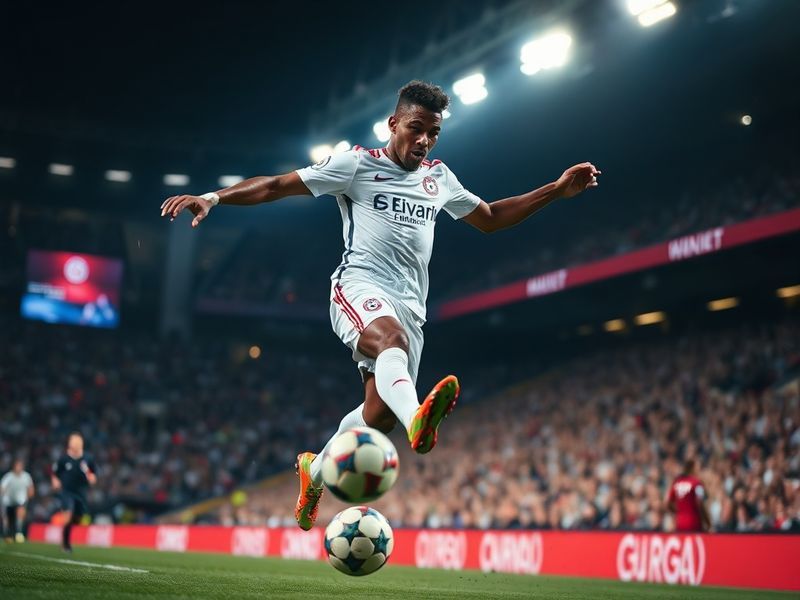
Recent seasons have seen both teams push for playoff contention, with tactical battles and individual brilliance defining their duels. The Union’s structured style contrasts with Orlando’s fluid, possession-based play—mirroring the broader philosophical divide in modern soccer.
- Philadelphia Union: Known for strong defensive organization and a reliance on set pieces. Their Subaru Park stadium, nestled along the Delaware River, has become a fortress.
- Orlando City SC: Emphasizes quick transitions and technical midfield play. Exploria Stadium, with its vibrant purple theme and family-friendly atmosphere, reflects the city’s diverse identity.
Beyond the Game: Cultural and Economic Impacts
Soccer’s role in urban culture extends far beyond 90 minutes of play. In Philadelphia, the Union’s rise has coincided with a broader revival of South Philadelphia and the river wards. The team’s ownership, led by Keystone Sports & Entertainment, has invested in youth academies and community programs, particularly in underserved neighborhoods. Soccer here is seen as both entertainment and a tool for social cohesion.
Orlando, by contrast, has positioned itself as a gateway for Latin American talent and fans. The city’s proximity to the Caribbean and Central America, combined with a large Puerto Rican and Venezuelan community, has made soccer a unifying force. Orlando City’s partnership with local Latinx organizations has strengthened its ties to the city’s cultural fabric.
Economically, both clubs contribute significantly to their regions. Philadelphia’s Union have boosted local businesses around Subaru Park, drawing fans from New Jersey and Delaware. Orlando’s Exploria Stadium, located downtown, has become a landmark for tourism and nightlife. The club’s international friendlies and partnerships with global brands have elevated Orlando’s profile as a sports destination.
Global Perspectives: How the World Views U.S. Soccer
From an international standpoint, Philadelphia and Orlando offer contrasting narratives about soccer’s place in America. European observers often view U.S. soccer through the lens of its European immigrant roots—hence Philadelphia’s strong following among Irish, Italian, and Polish communities. The Union’s tartan-inspired kits and supporters’ groups like the Sons of Ben evoke traditional fan cultures abroad.
Orlando, meanwhile, represents soccer’s modern, globalized appeal. The club’s recruitment strategy has leaned heavily on South American talent, and its fanbase reflects the city’s diversity. This approach aligns with cities like Miami and Los Angeles, where soccer is seen as a bridge between cultures rather than a heritage sport.
Global tournaments like the FIFA World Cup have highlighted soccer’s potential in the U.S., but it’s the local narratives that truly define its growth. Philadelphia’s blue-collar authenticity and Orlando’s multicultural vibrancy show that soccer in America is not monolithic—it’s a mosaic of identities.
The Fan Experience: Two Sides of the Same Coin
Attending a Union match at Subaru Park is an immersive experience. The intimate stadium, with its open-air design and river views, fosters a sense of camaraderie. Fans gather in the parking lot hours before kickoff, grilling sausages and playing music—echoes of European matchday traditions. The supporters’ section, led by groups like the Iggles, is known for its relentless energy and creative chants.
Orlando’s matchday atmosphere is equally electric but distinct. Exploria Stadium’s purple lights and family-friendly zones create a welcoming environment. The team’s mascot, Kingston the Lion, and the supporters’ group, The Lionhearted, emphasize inclusivity. Tailgates feature Latin music and Caribbean flavors, reflecting the city’s cultural melting pot.
Both clubs prioritize fan engagement, but their methods differ. Philadelphia leans into tradition, while Orlando embraces innovation. Yet, both understand that soccer is as much about community as it is about competition.
Looking Ahead: What’s Next for the Rivalry?
The future of the Philadelphia vs. Orlando rivalry is bright. Both clubs are investing in their rosters and infrastructures. The Union have added depth with European signings, while Orlando continues to scout talent from South America and beyond. Expansion plans, including potential stadium upgrades, signal long-term commitment from ownership.
On the field, the rivalry could soon take on postseason significance. With both teams hovering around playoff contention, their next encounter might determine who advances in the MLS Cup. Off the field, their cultural impacts will continue to shape how soccer is perceived in the U.S.
One thing is certain: whether in Philadelphia’s working-class neighborhoods or Orlando’s theme-park-lit downtown, soccer is finding its place in America. And in these two cities, it’s thriving.
For fans of the sport, that’s worth celebrating.