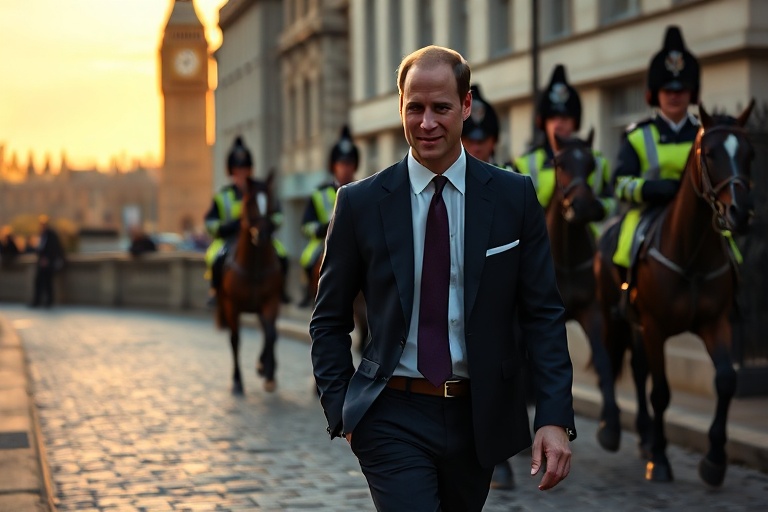
The title of Prince of Wales carries centuries of history, symbolism, and evolving responsibilities. As the eldest son of the British monarch, the position has traditionally served as a bridge between monarchy and nation, often shaping the future leaders of the United Kingdom. Today, the role remains as relevant as ever, blending ancient customs with modern expectations.
The current Prince of Wales, William, who became heir apparent in 2022 following the death of Queen Elizabeth II, shoulders significant duties while also navigating the complexities of public life in the 21st century. His journey—from naval officer to future king—reflects the enduring importance of the principality in British society.
The Historical Roots of the Prince of Wales Title
The origins of the Prince of Wales title trace back to the 12th century, when King Edward I conquered Wales and bestowed the title upon his son, the future Edward II. The tradition solidified in 1301 when Edward II was formally invested as Prince of Wales, establishing a precedent that continues today.
This historic connection between Wales and the monarchy has shaped the role in profound ways. Unlike other royal titles, the Prince of Wales is not automatically granted—it is a symbolic honor tied to Welsh allegiance. The title has been held by figures such as Henry VIII, Charles I, and Charles III, each leaving their mark on British history.
The investiture ceremony, a key tradition since 1911, marks the formal recognition of the Prince of Wales. Held at Caernarfon Castle in Wales, the event involves an oath of allegiance to Wales and the presentation of symbols like the sword and coronet. Though not legally required, the ceremony reinforces the title’s deep ties to Welsh identity.
Key Moments in the Title’s Evolution
- 1284: Edward I creates the title to assert English control over Wales.
- 1301: Edward II becomes the first formally invested Prince of Wales.
- 1911: David Lloyd George organizes the first modern investiture for Edward VIII.
- 1969: Prince Charles undergoes his investiture during a pivotal moment in Welsh nationalism.
The Modern Prince of Wales: Duties and Public Expectations
Today’s Prince of Wales carries a workload that rivals that of senior government officials. The role is a mix of ceremonial, diplomatic, and charitable responsibilities, often requiring extensive travel and engagement with diverse communities. William’s tenure as Prince of Wales included over 300 engagements annually, covering topics from mental health to environmental conservation.
Unlike the monarch, the Prince of Wales operates with greater flexibility, allowing for specialized focus areas. William’s initiatives, such as the Royal Foundation’s mental health programs, highlight how the role adapts to contemporary issues. His work with conservation organizations also underscores the title’s global reach.
The Prince of Wales also plays a key role in supporting the monarchy’s soft power abroad. State visits, trade missions, and cultural exchanges fall under his purview, reinforcing Britain’s diplomatic ties. In 2023 alone, William and Kate undertook a six-day tour of the U.S., emphasizing climate action and youth empowerment.
Balancing Tradition with Modern Leadership
The Prince of Wales must navigate a delicate balance between upholding centuries-old traditions and meeting modern expectations. Public scrutiny remains intense, particularly regarding family matters and personal conduct. William’s approach has emphasized transparency, such as his candid discussions about grief following the loss of his mother, Princess Diana.
His marriage to Catherine Middleton also reshaped perceptions of the monarchy. Their partnership, rooted in long-term commitment rather than political alliances, has humanized the royal family. This shift aligns with growing public demand for authenticity in leadership.
The Prince of Wales and Welsh Identity
Despite its English origins, the Prince of Wales title has become deeply intertwined with Welsh heritage. The principality symbolizes a connection between Wales and the broader United Kingdom, though it has also sparked debates about autonomy and representation. Welsh nationalists have occasionally criticized the monarchy, viewing it as a remnant of colonialism.
However, the Prince of Wales has increasingly embraced Welsh culture. William learned the language and has participated in traditional ceremonies, such as the Eisteddfod festival. His visits often include engagements with Welsh communities, from schools to local businesses, reinforcing the title’s symbolic role.
The relationship between the monarchy and Wales remains complex. While polls show strong support for the royal family in Wales, calls for Welsh independence persist. The Prince of Wales, therefore, serves as both a unifying figure and a lightning rod for political debate.
The Future of the Principality
As William prepares to ascend the throne, the future of the Prince of Wales title remains an open question. His eldest son, Prince George, is next in line for the principality, ensuring the tradition continues. However, the role may evolve further under a new monarch, particularly if public sentiment shifts toward republicanism.
Some analysts suggest the title could become more streamlined, with fewer ceremonial duties and greater focus on philanthropy. Others argue for its abolition, citing the monarchy’s need to modernize. Regardless of the outcome, the Prince of Wales will likely remain a defining feature of British royalty for generations.
The title’s enduring appeal lies in its dual nature—both a relic of history and a living institution. As it adapts to new challenges, the Prince of Wales will continue to shape the monarchy’s relationship with Wales and the world.
What Lies Ahead for the Principality?
- Succession: Prince George will likely become Prince of Wales, continuing the tradition.
- Reform: Calls for a more modern, less ceremonial role may grow.
- Political Tensions: Debates over Welsh independence could reshape the title’s significance.
- Global Role: The Prince of Wales may take on more international diplomatic functions.
Conclusion: A Legacy in Transition
The Prince of Wales occupies a unique space in British history—one that blends tradition with transformation. From its medieval origins to its modern incarnations, the title has mirrored the nation’s evolving identity. William’s tenure as Prince of Wales reflects this duality, balancing duty with innovation.
As the monarchy faces increasing scrutiny, the role of the Prince of Wales will be pivotal in shaping its future. Whether through charity work, diplomacy, or cultural engagement, the position remains a cornerstone of royal influence. For now, the principality endures, a testament to the enduring power of symbols in a changing world.