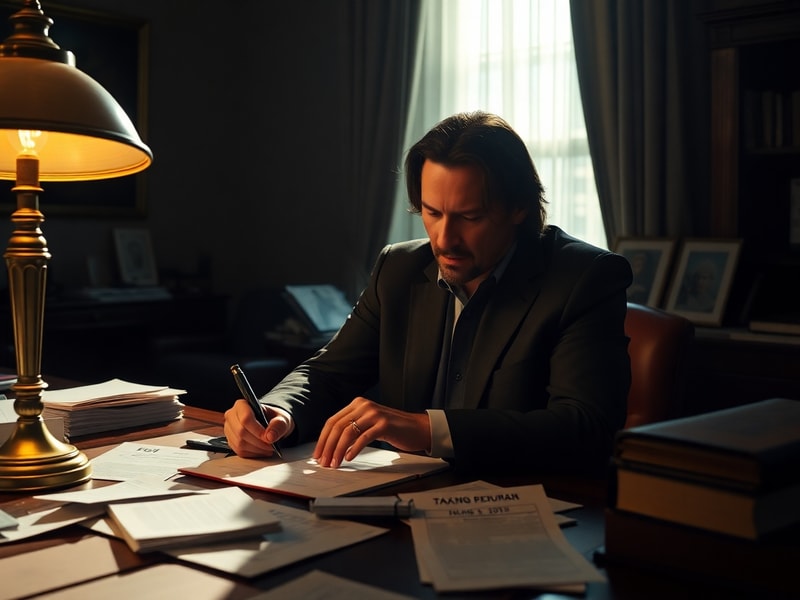
The case of Richard Glossip has become one of the most contentious and scrutinized death penalty cases in modern American history. After nearly three decades on death row, Glossip’s story is not just about a legal battle—it is about the flaws in the justice system, the ethics of capital punishment, and the human stories often overshadowed by procedural delays. His case has drawn attention from activists, legal experts, and even high-profile figures, all questioning whether the system failed him.
The Man Behind the Controversy
Richard Glossip was convicted in 1994 for the murder-for-hire of his employer, Barry Van Treese, in Oklahoma. The prosecution’s case relied heavily on the testimony of Justin Sneed, the actual killer, who claimed Glossip offered him money to commit the crime. Sneed received a life sentence in exchange for his testimony, while Glossip was sentenced to death. From the beginning, Glossip maintained his innocence, arguing that he had no involvement in the murder and that Sneed’s testimony was coerced.
Over the years, Glossip’s legal team has uncovered troubling inconsistencies. Key witnesses recanted their statements, and evidence emerged suggesting Sneed may have acted alone. Yet, despite these revelations, appeals and requests for clemency have repeatedly been denied. The case raises critical questions about the reliability of witness testimony, the pressures of plea deals, and the irreversible consequences of wrongful convictions.
Key Points in the Richard Glossip Case
- Conviction Based on Testimony: Glossip was condemned based largely on the testimony of Justin Sneed, who received a life sentence in exchange for his account.
- Recanted Witnesses: Multiple witnesses later admitted their testimony was unreliable or coerced, undermining the prosecution’s case.
- Evidence of Coercion: Reports suggest Sneed was manipulated by investigators to implicate Glossip in exchange for leniency.
- Failed Appeals and Clemency: Despite new evidence and public outcry, appeals for clemency have been denied repeatedly, raising concerns about due process.
- Public and Legal Support: High-profile figures, including former Oklahoma Governors and legal scholars, have called for a review or commutation of Glossip’s sentence.
Legal Battles and the Fight for Justice
The legal saga of Richard Glossip is marked by procedural delays, missed opportunities, and what critics describe as a broken appeals system. His case has been appealed to multiple courts, including the U.S. Supreme Court, but each attempt to challenge his conviction has ultimately failed. The Oklahoma Court of Criminal Appeals upheld his sentence in 2015, and subsequent efforts to reopen the case have been blocked by technicalities and procedural hurdles.
One of the most glaring issues in Glossip’s case is the lack of physical evidence linking him to the crime. The prosecution’s case rested entirely on witness testimony, much of which has since been discredited. In 2022, a new investigation by the Oklahoma City Fox 25 News uncovered further inconsistencies, including evidence that Sneed may have acted alone and that Glossip was not involved. Despite this, the courts have refused to reconsider the case, highlighting the rigid nature of the appeals process in capital punishment cases.
The Broader Implications of the Glossip Case
The Richard Glossip case is not an isolated incident—it reflects systemic issues within the American justice system, particularly in death penalty cases. Studies show that wrongful convictions are not uncommon, especially when convictions rely on witness testimony or plea bargains. Glossip’s story underscores the urgent need for reform, including better safeguards against coerced confessions, improved access to evidence, and more robust review processes for capital cases.
Moreover, the case has reignited debates about the morality and effectiveness of the death penalty. Opponents argue that it is irreversible and prone to error, while proponents claim it serves as a deterrent. Glossip’s prolonged legal battle—nearly 30 years on death row—challenges the notion that capital punishment is swift or just. His case also highlights the racial and economic disparities in sentencing, as marginalized defendants are disproportionately affected by harsh penalties.
Public opinion has increasingly leaned toward skepticism of the death penalty, with polls showing growing support for alternatives like life without parole. Glossip’s case has become a rallying point for activists who argue that the system is not only flawed but also incapable of correcting its own mistakes in time to prevent irreversible harm.
What’s Next for Richard Glossip?
As of 2024, Richard Glossip remains on death row, with his execution date repeatedly stayed due to legal challenges and public pressure. His legal team continues to fight for a new trial or clemency, arguing that new evidence and witness recantations warrant reconsideration. Meanwhile, advocacy groups are pushing for legislative reforms to prevent similar miscarriages of justice in the future.
For Glossip, time is running out. Each day spent waiting for justice is another day under the shadow of a sentence that many now believe is unjust. His case is a stark reminder of the human cost of a flawed system—and the urgent need for change.
For those interested in exploring similar cases or learning about advocacy efforts, visit Dave’s Locker News for updates on justice reform and Dave’s Locker Analysis for deeper insights into legal and systemic issues.
Conclusion
The Richard Glossip case is more than a legal battle—it is a moral and ethical examination of the death penalty in America. It forces us to confront difficult questions: Can a system that executes innocent people ever be truly just? What does it say about our society when justice is delayed, not for years, but for decades? Glossip’s story is a call to action, demanding reforms that prioritize fairness, transparency, and the preservation of human life. Until these changes are made, cases like Glossip’s will continue to haunt the conscience of the nation.