strait of hormuz news
Last updated: October 12, 2023
The Recent Surge in Strait of Hormuz Tensions
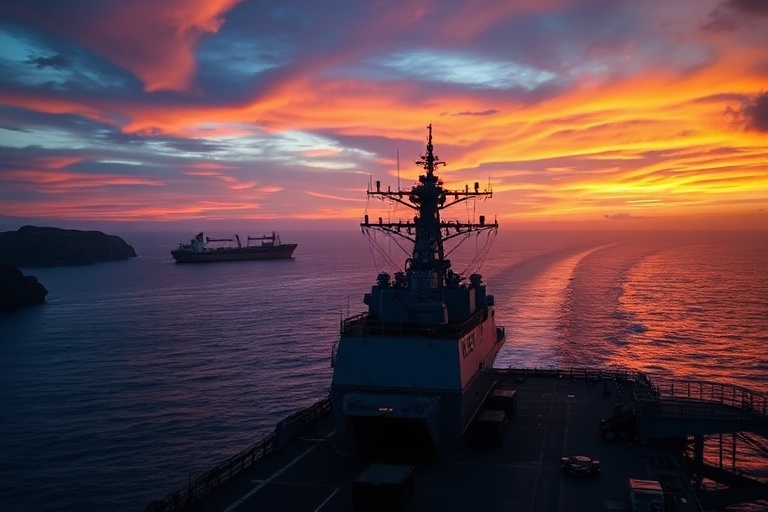
Maritime security in the Strait of Hormuz has once again become a focal point amid escalating regional tensions. Over the past month, multiple incidents involving commercial vessels have raised alarms about the stability of one of the world’s most critical chokepoints. On September 27, a Marshall Islands-flagged tanker was approached by unidentified fast boats near the Omani coast, prompting a response from a nearby U.S. Navy destroyer. While no shots were fired, the encounter underscored the persistent volatility in the area.
The strait, a narrow passage between Oman and Iran, serves as a vital artery for global oil and gas shipments. Approximately 20-30% of the world’s seaborne oil passes through this 21-mile-wide channel each day. Recent geopolitical maneuvers—including Iran’s seizure of an Israeli-linked tanker in April and the reported sabotage of several vessels in 2021—have kept market watchers on edge. These disruptions are not isolated incidents but part of a broader pattern that reflects deeper regional rivalries and strategic competition.
Analysts suggest that Iran’s Islamic Revolutionary Guard Corps (IRGC) may be leveraging maritime pressure as a tool to influence negotiations or deter adversaries. The IRGC Navy has increasingly flexed its muscles in the region, conducting frequent drills and deploying advanced missile systems near the strait. Such actions serve as a reminder that even localized incidents can have outsized consequences for global energy markets.
How Strait Disruptions Impact Global Energy Markets
The Strait of Hormuz is more than a geographic landmark; it is the backbone of international energy trade. When its security is threatened, the ripple effects are immediate and far-reaching. Here’s how recent developments could influence markets:
- Oil Price Volatility: Any disruption in the strait risks tightening global oil supplies, potentially driving prices higher. Brent crude futures have already reacted to regional instability, with analysts warning of a potential $5-10 per barrel increase in the event of a prolonged closure.
- Shipping Insurance Costs: Insurers are raising premiums for vessels transiting the strait, reflecting the elevated risk environment. Some major shipping firms have rerouted their tankers around the Cape of Good Hope, adding days to voyages and increasing operational costs.
- Geopolitical Hedging: Countries reliant on Middle Eastern oil, such as China and India, are accelerating efforts to diversify supply chains. This shift could reshape long-term energy alliances and reduce dependence on Gulf crude.
- Military Posturing: The U.S. has maintained a naval presence in the region since the 1980s, but recent incidents have prompted calls for increased patrols. Meanwhile, Iran has warned that any foreign intervention would trigger a “decisive response.”
These dynamics highlight a delicate balance: while the strait remains open, the threat of sudden disruption looms large. Energy traders are closely monitoring satellite data, maritime reports, and diplomatic signals for early warnings of escalation. The interplay between geopolitics and economics ensures that the Strait of Hormuz will remain a barometer for global stability.
Broader Implications for International Trade and Security
The Strait of Hormuz is not just an energy chokepoint; it is a microcosm of broader geopolitical challenges. Its instability reflects deeper fractures in Middle Eastern diplomacy, great-power competition, and the evolving nature of maritime security. Here are three key areas where the strait’s troubles could have lasting consequences:
- Supply Chain Fragmentation:
The global economy’s reliance on just-in-time delivery systems makes disruptions in the strait particularly damaging. If shipping costs rise significantly, industries from automotive to electronics could face delays and higher prices. Already, some European importers are exploring alternative routes through the Arctic or via the U.S., though these options are costly and logistically complex.
- Escalation Risks:
The presence of nuclear-capable states—namely Iran and Israel—adds a layer of strategic risk. Miscalculations in the strait could trigger a broader conflict, drawing in regional powers like Saudi Arabia or the United Arab Emirates. The 2019 drone attacks on Saudi oil facilities, attributed to Iran, serve as a stark reminder of how quickly tensions can spiral.
- Multilateral Diplomacy Under Strain:
Efforts to revive the Iran nuclear deal (JCPOA) have stalled, and the U.S. has reimposed sanctions that complicate trade in the region. Meanwhile, China’s growing influence in the Gulf—through oil purchases and infrastructure investments—creates a new layer of complexity. The strait’s instability could force nations to reassess their alliances and non-proliferation strategies.
For the U.S. and its allies, the challenge lies in deterring aggression without provoking an all-out confrontation. The Biden administration has emphasized “diplomacy first,” but military options remain on the table. Meanwhile, Iran’s leadership appears willing to use asymmetric tactics—such as proxy attacks or cyber operations—to advance its interests while avoiding direct conflict.
What’s Next for the Strait of Hormuz?
The coming months will be critical in determining whether the strait remains a flashpoint or stabilizes into a manageable security challenge. Several factors could influence the trajectory:
- Upcoming Regional Talks: Oman, a neutral mediator, has proposed hosting talks between Iran and Gulf states. Success would require concessions from both sides, particularly on Iran’s nuclear program and its regional proxies.
- U.S. Election Dynamics: The 2024 U.S. presidential election could shift America’s approach to Iran. A more hawkish administration might increase military patrols, while a dovish one could prioritize diplomacy at the expense of deterrence.
- Technological Solutions: Some analysts suggest deploying AI-driven maritime surveillance or autonomous patrol vessels to monitor the strait. These tools could reduce the need for human patrols but raise concerns about cyber vulnerabilities.
- Economic Pressures: As sanctions bite, Iran may seek to de-escalate tensions to secure sanctions relief. However, domestic hardliners could push back, arguing that concessions would undermine national security.
For now, the status quo persists—a delicate equilibrium where no party wants a full-blown conflict but none are willing to back down. The Strait of Hormuz remains a tinderbox, and its next spark could come from anywhere: a miscommunication between navies, a cyberattack on a tanker, or a political misstep in Tehran or Washington.
One thing is clear: the world cannot afford a prolonged disruption in the strait. As energy demand grows and geopolitical rivalries intensify, the need for creative solutions has never been greater. Whether through diplomacy, technology, or deterrence, the international community must find a way to keep this vital waterway open.
For more on global energy trends and geopolitical analysis, visit Dave’s Locker News or explore our Analysis section for deeper insights.