Strait of Hormuz: Why This Oil Chokepoint Matters Now
The Strait of Hormuz remains one of the most strategically vital waterways in the world, serving as a primary conduit for global oil and gas shipments. Located between Iran and Oman, this narrow passage connects the Persian Gulf to the Gulf of Oman and the Arabian Sea. Every day, millions of barrels of crude oil pass through its waters, making its security a top priority for international energy markets and military planners alike.
Recent tensions in the region have once again thrust the Strait of Hormuz into the global spotlight. Geopolitical maneuvering, maritime incidents, and economic repercussions have kept this chokepoint at the center of international discussions. Understanding its importance requires examining its role in global trade, the risks it faces, and the broader implications of any disruption.
The Strait’s Role in Global Energy Markets
The Strait of Hormuz is the world’s single most important oil transit route. According to the U.S. Energy Information Administration, approximately 20% of the world’s oil supply passes through these waters. In 2023 alone, over 21 million barrels of oil per day flowed through the strait, underscoring its indispensable role in maintaining global energy stability.
Several key oil-producing nations, including Saudi Arabia, Iraq, the United Arab Emirates, and Iran, rely on the strait to export their crude. Disruptions here could send shockwaves through energy markets, leading to price spikes and supply shortages. The region’s importance was starkly illustrated during past geopolitical crises, such as the 1980s Iran-Iraq War, when tanker attacks and blockades caused oil prices to surge.
Beyond oil, the strait also facilitates liquefied natural gas (LNG) shipments, particularly from Qatar, the world’s largest LNG exporter. Any prolonged closure or military conflict in the area could disrupt gas supplies to Europe and Asia, further destabilizing energy markets.
Recent Tensions and Maritime Incidents
Over the past decade, the Strait of Hormuz has witnessed a series of high-stakes confrontations. In 2019, several oil tankers were damaged in suspected attacks, blamed by the U.S. on Iran. The incidents included explosions aboard two Saudi oil tankers and a Norwegian-flagged vessel, prompting international condemnation and calls for de-escalation.
More recently, in 2023, Iran seized two oil tankers in the strait, one linked to Greece and another to the Marshall Islands. These actions were seen as retaliatory measures amid broader tensions over Iran’s nuclear program and regional proxy conflicts. The seizures highlighted the strait’s vulnerability to sudden disruptions and the ease with which non-state actors or state-backed forces could disrupt shipping.
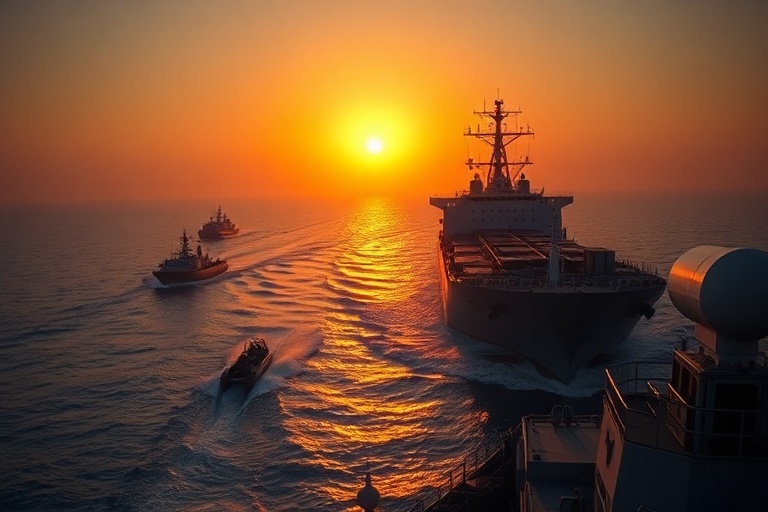
Military posturing has also intensified. The U.S. Fifth Fleet, based in Bahrain, maintains a constant presence to ensure the free flow of maritime traffic. Meanwhile, Iran has repeatedly threatened to close the strait in response to sanctions or perceived threats, raising concerns about a potential regional conflict.
- 2019 Tanker Attacks: Four vessels were damaged in suspected limpet mine attacks near the UAE’s Fujairah port.
- 2021 Seizures: Iran captured a South Korean tanker and its crew, detaining them for months over a dispute involving frozen funds.
- 2023 Tanker Seizures: Iran’s Revolutionary Guard seized two tankers, citing violations of maritime laws.
Economic and Geopolitical Implications
The economic consequences of a prolonged closure or disruption in the Strait of Hormuz would be severe. Oil prices could skyrocket, particularly if alternative routes such as the Bab el-Mandeb Strait or pipelines like the East-West Pipeline in Saudi Arabia prove insufficient. A supply crunch could slow global economic growth, especially in energy-dependent nations.
Geopolitically, the strait’s security is a flashpoint for competing interests. The U.S. and its allies view its protection as essential to maintaining energy security and deterring Iranian aggression. Meanwhile, Iran leverages its geographic advantage, using the strait as leverage in negotiations over sanctions and nuclear diplomacy.
Europe’s energy crisis, exacerbated by the war in Ukraine, has further complicated the situation. European nations are increasingly reliant on Middle Eastern oil and gas, making the strait’s stability a direct concern for their economic recovery. Meanwhile, China and India, major importers of Middle Eastern crude, face heightened risks as they navigate the region’s instability.
For a deeper look at how energy markets are responding to geopolitical risks, explore our Business News section.
Military and Diplomatic Responses
The international community has responded to the strait’s volatility with a mix of military deterrence and diplomatic efforts. The U.S. has strengthened its naval presence, conducting joint exercises with Gulf allies to demonstrate resolve. The UK, France, and other European nations have also deployed ships to the region as part of maritime security initiatives.
Diplomatically, backchannel negotiations have attempted to ease tensions. The 2023 Iran nuclear deal negotiations, though stalled, included discussions on regional security and the free flow of maritime traffic. However, trust remains fragile, and any perceived provocation could derail progress.
Alternative shipping routes are also being explored. The UAE, for example, has invested in the Habshan-Fujairah oil pipeline, which bypasses the strait and allows direct exports to the Arabian Sea. Saudi Arabia has similarly expanded its East-West Pipeline to Red Sea ports. While these measures provide some redundancy, they cannot fully replace the strait’s capacity.
For ongoing coverage of military and diplomatic developments in the Middle East, visit our Politics News section.
Conclusion: A Chokepoint That Demands Attention
The Strait of Hormuz remains a linchpin of global energy security, and its stability is far from guaranteed. The interplay of military power, economic interests, and geopolitical rivalry ensures that this waterway will continue to dominate headlines. Whether through diplomacy, deterrence, or innovation, the international community must prioritize safeguarding this critical chokepoint to prevent a crisis that could ripple across the world economy.
As tensions persist, the lessons of history remind us that even localized conflicts in this region can have outsized consequences. Vigilance, cooperation, and a commitment to de-escalation will be essential in preserving the free flow of energy that underpins modern economies.