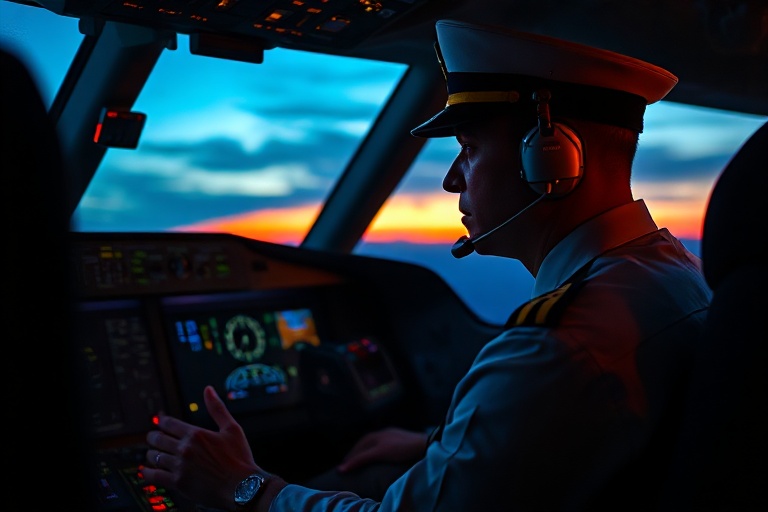
Swiss Airlines Pilot Emergency: Key Details and Industry Impact
An incident aboard a Swiss International Air Lines flight has raised concerns about aviation safety and pilot health protocols. Here’s a detailed breakdown of what happened and why it matters.
The Incident Unfolds: A Sudden Medical Emergency
On the morning of June 10, 2024, Swiss International Air Lines flight LX345 from Zurich to New York experienced an unexpected disruption mid-flight. Approximately two hours into the journey, the captain of the Airbus A330 reportedly suffered a medical emergency, forcing an immediate diversion to Gander, Newfoundland—a common alternate airport for transatlantic flights.
The decision to divert was made swiftly, with air traffic control confirming the plane landed safely at Gander International Airport. Passengers later described the situation as tense but well-managed, with cabin crew maintaining order throughout the unexpected change in plans. The Royal Canadian Mounted Police (RCMP) and local emergency services were on standby upon arrival, though no further details about the pilot’s condition have been released.
Why Gander? The Role of Transatlantic Alternate Airports
Gander’s selection as the diversion point wasn’t accidental. Known historically as a key stopover for early transatlantic flights, Gander remains a critical alternate airport due to its long runway and proximity to common flight paths. The airport’s infrastructure supports large aircraft like the Airbus A330, making it a reliable choice for emergencies.
This incident highlights the importance of alternate airports in global aviation. Pilots and airlines pre-plan diversion routes based on factors like fuel reserves, weather conditions, and airport capabilities. In this case, Gander’s strategic location likely played a role in minimizing risk to both passengers and crew.
Swiss Airlines’ Response: Transparency and Protocol
Within hours of the landing, Swiss Airlines issued a statement confirming the diversion and assuring the public that all passengers and crew were safe. The airline emphasized adherence to standard operating procedures, including the immediate notification of medical emergencies and coordination with local authorities.
Aviation experts note that such protocols are routine but require precise execution under pressure. The incident has since prompted discussions about pilot health monitoring, particularly given the physical demands of long-haul flights. Swiss Airlines has not disclosed whether the pilot’s condition was pre-existing or acute, but the event underscores the need for robust health checks and support systems for flight crews.
Passenger Experiences: A Mix of Concern and Relief
Passengers aboard LX345 shared their accounts on social media, describing a mix of concern and relief. One traveler noted that the cabin crew remained calm and provided clear instructions throughout the diversion. Another passenger mentioned that the flight attendants distributed water and snacks while the plane awaited clearance to land in Gander.
The emotional toll of such incidents often goes unnoticed. For many passengers, a diversion means disrupted plans, unplanned expenses, and potential delays in reaching their destinations. Swiss Airlines has since offered rebooking options and compensation where applicable, though specific details remain unclear.
Broader Implications: Aviation Safety and Pilot Well-Being
This incident isn’t isolated. In recent years, there has been growing scrutiny over pilot health and fatigue management in the aviation industry. The International Air Transport Association (IATA) reports that pilot incapacitation, while rare, is a critical concern that requires proactive measures.
A 2023 study by the European Safety Agency found that long-haul pilots are particularly vulnerable to health issues due to irregular sleep patterns and high stress levels. The study recommended enhanced medical screenings and mental health support for pilots. Swiss Airlines’ handling of this incident suggests adherence to these guidelines, but the event serves as a reminder of the human factors in aviation safety.
What’s Next for Swiss Airlines and the Aviation Industry?
As of now, Swiss Airlines has not provided updates on the pilot’s condition or the timeline for the aircraft’s return to service. Industry analysts expect the airline to conduct a thorough review of the incident to identify any gaps in protocol or training.
For the broader aviation community, this event may prompt calls for stricter health monitoring and mandatory rest periods for pilots. The Federal Aviation Administration (FAA) and other regulatory bodies could revisit existing guidelines to ensure they address modern challenges, such as the increased mental and physical demands of long-haul flights.
In the meantime, passengers can take comfort in knowing that airlines like Swiss International Air Lines are equipped to handle emergencies with precision. The swift response to this incident reflects the rigorous training and protocols that define modern aviation safety.
Key Takeaways: What Passengers Should Know
If you’re a frequent flyer, here are a few things to keep in mind about pilot health emergencies and flight diversions:
- Diversions are rare but not unprecedented. Airlines prioritize passenger safety, and diversions are a standard part of emergency protocols.
- Cabin crew are trained to manage crises. Flight attendants undergo rigorous training to handle medical emergencies, turbulence, and other in-flight disruptions.
- Compensation and rebooking are typically available. Most airlines offer assistance, including meal vouchers, hotel accommodations, and rebooking options, depending on the circumstances.
- Health monitoring for pilots is evolving. The aviation industry is increasingly focusing on pilot well-being, with new guidelines and support systems being introduced.
For more insights into aviation safety and industry trends, explore our Travel category. If you’re interested in the latest updates on global aviation incidents, visit our News section.
Conclusion: A Reminder of Aviation’s Human Element
The Swiss Airlines pilot emergency serves as a poignant reminder of the human element in aviation. Behind every flight is a team of professionals trained to handle the unexpected, from mechanical failures to medical crises. While incidents like this are unsettling, they also demonstrate the resilience and preparedness of the aviation industry.
As passengers, it’s natural to feel concerned when disruptions occur. However, the swift and professional response to this event should reassure travelers that safety remains the top priority. Moving forward, continued vigilance and innovation in pilot health and aviation safety will be essential in maintaining public trust.
For now, the passengers and crew of LX345 have returned home safely, and the aviation community will undoubtedly use this incident as an opportunity to learn and improve. In an industry where precision and preparedness are paramount, every detail matters—and every life matters.