Tesco Equal Pay Ruling: What the Latest Decision Means for Workers
Published on
The UK’s largest supermarket chain, Tesco, faces renewed pressure after a landmark ruling in its long-running equal pay dispute. The Employment Appeal Tribunal (EAT) recently upheld a previous decision that Tesco must compare the pay of predominantly female shop floor workers with that of predominantly male warehouse staff. This ruling could have sweeping implications for large retailers and their pay structures.
The Legal Battle So Far
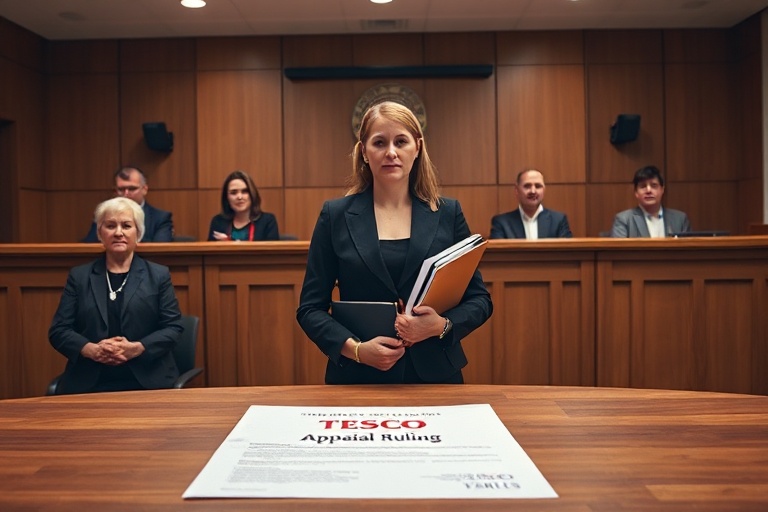
The case traces back to 2018 when a group of Tesco shop workers, represented by the union Usdaw, filed a claim arguing that their roles were of equal value to warehouse workers but paid significantly less. The initial tribunal ruled in their favor, finding that Tesco’s pay practices discriminated against women. Tesco appealed the decision, but the EAT’s recent rejection of that appeal keeps the case moving toward a potential class-action lawsuit.
This isn’t just a Tesco issue. The ruling reinforces the legal principle that employers must justify pay gaps between roles of equal value, regardless of where those roles are located within a company. For retailers with large workforces, this could mean re-evaluating decades-old pay structures that have historically undervalued roles dominated by women.
Key Takeaways from the Ruling
- Equal value comparison: The EAT confirmed that shop floor roles can be compared to warehouse roles if they are of equal value in terms of skill, effort, and responsibility.
- Employer burden of proof: Companies must now provide clear, objective justifications for pay disparities between comparable roles.
- Potential back pay claims: If upheld, workers could be entitled to significant back pay dating back years, depending on how long the disparity existed.
- Industry-wide implications: Other major retailers, including Sainsbury’s and Asda, have faced similar claims, making this ruling a bellwether for the sector.
Why This Case Matters Beyond Tesco
The Tesco ruling arrives at a time when pay equity is under intense scrutiny in the UK. The government’s recent push for mandatory gender pay gap reporting has already exposed significant disparities in corporate Britain. This case, however, goes further by challenging the structural inequalities embedded in how companies classify and compensate roles.
Retailers are not the only sector at risk. Similar claims have emerged in healthcare, education, and logistics, where roles dominated by women are often paid less than male-dominated roles requiring comparable skills. The EAT’s decision signals that tribunals are increasingly willing to scrutinize systemic pay discrimination, even when it’s not immediately obvious.
For employers, the message is clear: proactive pay audits are no longer optional. Companies that fail to address disparities risk not only legal action but also reputational damage in an era where workers and consumers demand fairness.
What’s Next for Tesco and Its Workers
Tesco has indicated it will seek permission to appeal the EAT’s ruling to the Court of Appeal, suggesting this legal battle is far from over. If the case proceeds to a full hearing, it could set a precedent that forces major employers to rethink how they value work traditionally performed by women.
For the shop workers involved, the ruling is a hard-won victory but one that comes with uncertainty. Even if they ultimately prevail, the process of securing back pay could take years. Meanwhile, Tesco’s workforce—like many in retail—remains deeply divided over how the company has handled the dispute. Some employees see it as a fight for fairness; others worry about the financial strain on the company and its long-term stability.
Broader Implications for Workers and Employers
The Tesco case is part of a growing trend of workers using equal pay laws to challenge systemic discrimination. With the rise of union-backed legal campaigns and increased public awareness of pay gaps, more employees may feel emboldened to demand change. For employers, this means the cost of inaction is rising.
Companies that rely on large, gender-segregated workforces—such as supermarkets, hospitals, and schools—should take note. The legal framework is shifting, and tribunals are showing less patience for vague justifications of pay disparities. The tools to address this already exist: transparent pay structures, regular audits, and proactive adjustments to undervalued roles. The question is whether businesses will act before they’re forced to.
For policymakers, the ruling underscores the need for stronger enforcement of equal pay laws. While mandatory reporting has increased transparency, critics argue it lacks teeth. The Tesco case demonstrates that real change often requires individual workers to take on corporate giants—a daunting prospect without robust legal support.
The outcome of this case could reshape not just Tesco’s future but the broader landscape of workplace equality in the UK. One thing is certain: the conversation about pay equity is far from over.
For more on workplace rights and legal battles, explore our Trending and Business sections.
Have thoughts on this ruling? Share your perspective in the comments below.