Tesla Expands Its Palette: Beyond the Standard Black and White
When Tesla first introduced its vehicles, the color options were refreshingly minimalist—primarily white, black, and the occasional metallic silver. These choices aligned with the brand’s futuristic, tech-forward identity. Yet as Tesla’s presence has grown from Silicon Valley garages to global urban landscapes, the company has gradually expanded its color offerings. The latest additions to Tesla’s palette represent more than just aesthetic updates; they reflect shifting consumer preferences, cultural trends, and even environmental considerations.
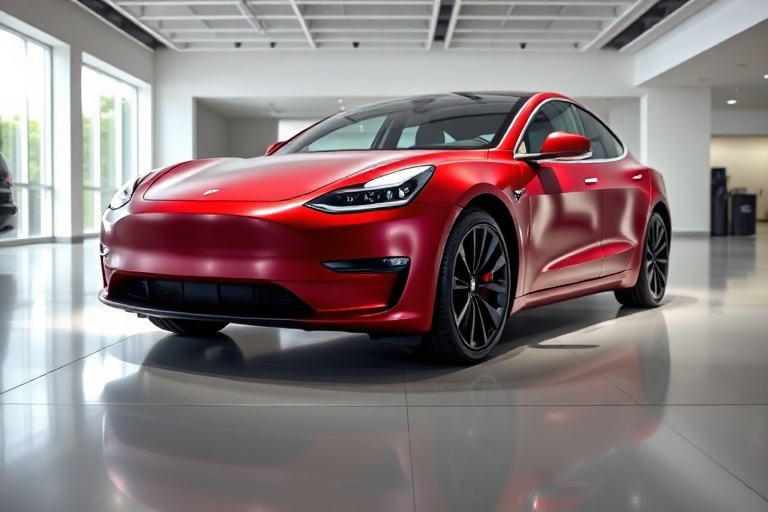
In 2023, Tesla quietly introduced three new colors across its lineup: Deep Crimson Red, Steel Blue, and Ultra White. These colors aren’t just repackaged classics. They’ve been engineered to meet Tesla’s stringent durability and sustainability standards, ensuring that vibrancy doesn’t compromise longevity. The move signals Tesla’s acknowledgment that personalization now plays a critical role in car-buying decisions, especially among younger, design-conscious consumers.
The Cultural Significance of Color in Automotive Design
Color choices in automobiles often mirror broader societal shifts. In the 1950s and 60s, pastel hues like pink and turquoise reflected post-war optimism and the rise of consumer culture. By the 1990s, metallic grays and blacks dominated, aligning with a tech-driven, corporate aesthetic. Today, bold and earthy tones are reclaiming the spotlight as consumers seek self-expression and environmental connection.
Tesla’s new colors arrive at a time when environmental consciousness is reshaping automotive design. Ultra White, for instance, isn’t just a color—it’s a marketing tool. Tesla promotes it as a way to reduce urban heat islands, a growing concern in densely populated cities. Meanwhile, Deep Crimson Red taps into a resurgence of retro-inspired luxury, reminiscent of vintage sports cars but with a modern, electric twist.
Globally, color preferences vary dramatically. In China, white remains the top choice, symbolizing purity and status. In Europe, darker tones like black and gray dominate, reflecting a preference for understated elegance. Tesla’s introduction of Steel Blue—a color associated with trust and reliability—may appeal particularly to consumers in markets like Germany and Scandinavia, where practicality still influences design choices.
A Closer Look at Tesla’s New Color Offerings
Tesla’s latest color additions aren’t just about looks; they’re engineered for performance and sustainability. Here’s what sets each apart:
- Deep Crimson Red: A deep, rich red with a slight metallic sheen, designed to resist fading under UV exposure. It’s available on the Model 3, Model Y, and Cybertruck, though the latter’s matte finish gives it a distinctly rugged appeal.
- Steel Blue: A cool, sophisticated tone that bridges the gap between traditional blue and gray. It’s marketed as a “neutral bold” color, meaning it’s versatile enough for both urban and suburban environments.
- Ultra White: Tesla’s whitest white yet, formulated to reflect up to 90% of sunlight. It’s not just for aesthetics—Tesla claims it can reduce cabin temperatures by up to 5 degrees Fahrenheit, improving energy efficiency.
These colors are available as factory options for an additional $2,000 to $3,500, depending on the model. For comparison, competitors like BMW and Mercedes-Benz charge similar premiums for custom paint jobs. Tesla’s approach, however, ensures consistency in quality and application, as all colors are applied in-house using water-based paints that meet global environmental regulations.
The Role of Personalization in the Electric Vehicle Market
Tesla’s expansion into new colors reflects a broader trend in the automotive industry: the rise of personalization. As electric vehicles (EVs) become more mainstream, consumers are no longer satisfied with one-size-fits-all designs. They want to express individuality, and color is one of the most immediate ways to do that.
This shift is particularly pronounced among millennial and Gen Z buyers, who prioritize self-expression and sustainability in their purchasing decisions. A 2022 study by PPG Industries found that 68% of Gen Z consumers consider color to be a key factor in their car-buying choices. Tesla’s new palette caters directly to this demographic, offering hues that feel both modern and timeless.
Moreover, the EV market’s competitive landscape is forcing automakers to differentiate beyond range and charging speed. Color options are becoming a crucial tool for brand differentiation. While legacy automakers have long offered extensive color libraries, Tesla’s move into bold, unexpected shades signals a departure from its earlier minimalist ethos. It’s a calculated risk—one that could pay off by attracting a younger, more diverse audience.
Global Reactions: How Different Markets Are Responding
Tesla’s new colors have elicited varied reactions around the world. In the United States, where individuality is highly valued, Deep Crimson Red has been praised for its boldness. Social media platforms like Instagram and TikTok have seen a surge in posts showcasing the color on Model Ys and Cybertrucks, often paired with urban or desert backdrops to emphasize its striking appearance.
In contrast, European markets have been more reserved. While Ultra White has been well-received in cities like Berlin and Paris, where minimalist design is prized, Steel Blue has sparked debates about whether it’s too conservative for a brand that once positioned itself as revolutionary. Some critics argue that Tesla’s new colors lack the avant-garde edge of its earlier design language.
In Asia, particularly in Japan and South Korea, Tesla’s color expansion has been met with enthusiasm. Ultra White, in particular, aligns with cultural preferences for clean, uncluttered aesthetics. Japanese consumers, known for their meticulous attention to detail, have praised the precision of Tesla’s paint application, which is a critical factor in a market where even minor imperfections are scrutinized.
What’s Next for Tesla’s Design Language?
Tesla’s foray into new colors is likely just the beginning. As the company continues to expand its global footprint, we can expect even more experimental hues to enter the lineup. Rumors have circulated about a potential “Desert Gold” for the Cybertruck, a color that would evoke the rugged landscapes of the American Southwest. There’s also speculation about Tesla introducing matte finishes across more models, following the success of the Cybertruck’s matte black option.
Beyond color, Tesla is also exploring new materials. Reports suggest the company is testing recycled and plant-based paints, further aligning with its sustainability goals. This could be a game-changer in an industry often criticized for its environmental impact.
For now, Tesla’s new colors serve as a reminder that even in the age of automation and AI, the human desire for self-expression remains paramount. Whether you’re drawn to the fiery passion of Deep Crimson Red or the serene reliability of Steel Blue, Tesla’s latest offerings ensure that driving an electric vehicle is as much about how it makes you feel as it is about where it can take you.
For those looking to explore Tesla’s broader lineup, including models with these new colors, be sure to check out Dave’s Locker’s automotive section, where we dive deeper into the latest trends in electric vehicle design and technology.