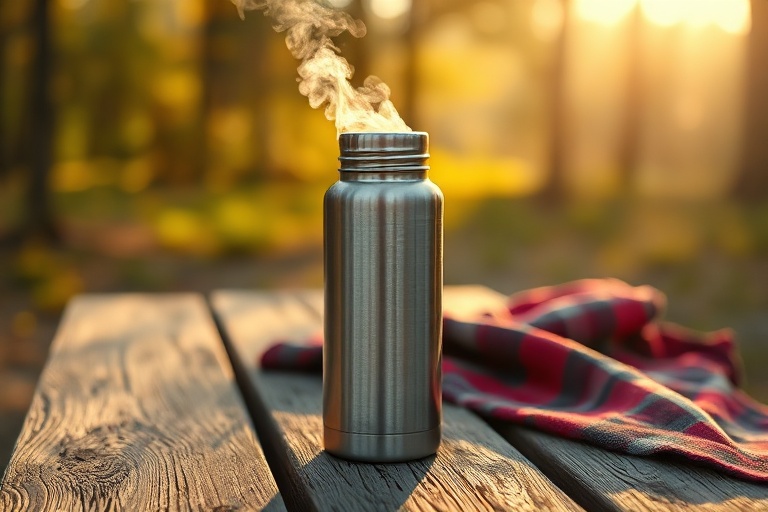
From Lunchtime Staple to Global Icon: The Enduring Legacy of Thermoses
Few inventions have matched the thermos for quiet efficiency. Designed to defy temperature change, this unassuming vessel has quietly infiltrated kitchens, construction sites, and mountaineering expeditions across continents. Its history stretches back over a century, yet the thermos remains as relevant today as it was when it first insulated coffee against the chill of a Boston winter.
The thermos owes its existence to a fundamental human need: to keep things hot or cold longer than nature allows. Whether carrying soup to a construction worker in Seoul or iced tea to a beachgoer in Rio, the thermos has become a silent partner in daily routines from Tokyo to Timbuktu. Its design—double-walled, vacuum-sealed, and often adorned with brand logos or personal stickers—has made it both a practical tool and a cultural artifact.
A Brief History of Heat Retention
The thermos traces its origins to 1892, when Scottish physicist Sir James Dewar invented the vacuum flask to preserve liquefied gases at extremely low temperatures. Dewar never commercialized his invention, but two German glassblowers, Reinhold Burger and Albert Aschenbrenner, saw its potential. In 1904, they patented the design as the “Thermos” flask, a brand name derived from the Greek word “therme,” meaning heat.
The Thermos brand quickly spread across Europe and America. By the 1920s, it had become a household name, synonymous with reliability. During World War II, the U.S. military issued Thermos bottles to soldiers, recognizing their value in keeping rations warm or cold in harsh conditions. This military endorsement cemented the product’s reputation for rugged durability.
In post-war Japan, the thermos took on a new life. Known as “魔法瓶” (mahōbin, meaning “magic bottle”), it became essential for office workers and students. The mahōbin was often personalized with family names or corporate logos, becoming a symbol of identity as much as of function. Today, Japan remains one of the world’s largest markets for premium thermoses, with brands like Zojirushi and Tiger leading innovation in temperature retention and design.
The Thermos Around the World: A Study in Cultural Adaptation
The thermos’s adaptability is evident in how different cultures integrate it into daily life. In India, large stainless-steel thermoses are a fixture in offices and train stations, dispensing chai around the clock. Vendors fill them from massive kettles, ensuring that the spiced tea remains piping hot for hours.
In Scandinavia, thermoses are a staple of outdoor life. Hikers in Norway and Sweden carry them filled with coffee or soup during long treks through snowy forests. The design often prioritizes weight and durability, with minimalist aesthetics that blend into backpacking gear. Some models even feature integrated cups or spouts for easy drinking in freezing conditions.
In the United States, the thermos is deeply embedded in school culture. Generations of children have carried insulated bottles to classrooms, packed with juice or soup. The classic red or blue cylindrical design is instantly recognizable, though modern versions now come in every color and pattern imaginable. Parents and teachers alike appreciate the spill-proof lids and easy-to-clean interiors.
Meanwhile, in the Middle East, thermoses play a central role in hospitality. Serving tea or coffee from a thermos is a sign of respect and generosity. The vessels are often ornate, crafted from brass or silver, and passed between guests in a ritual that emphasizes warmth and connection. The act of pouring from a thermos is as much about ceremony as it is about temperature control.
This global diversity reveals a common thread: the thermos transcends its utilitarian purpose to become a cultural symbol. Whether it’s a humble office worker’s companion in Germany or a ceremonial vessel in the Arabian desert, the thermos adapts to its environment while fulfilling a universal need.
Innovation and Sustainability: The Modern Thermos
The thermos has evolved far beyond its original glass-and-metal construction. Modern versions incorporate advanced materials like borosilicate glass, stainless steel, and even recycled plastics. Vacuum insulation technology has improved, with some models maintaining temperature for up to 24 hours. Leak-proof lids, ergonomic designs, and compatibility with car cup holders have made thermoses more user-friendly than ever.
Sustainability has become a major focus. Brands like Hydro Flask and Klean Kanteen emphasize reusable designs to reduce single-use plastic waste. Their thermoses are durable enough to last years, if not decades, and are often made from recycled materials. In Europe, the push for eco-friendly products has led to thermoses made from biodegradable components or designed for easy disassembly and recycling.
Smart thermoses are entering the market, too. Some models now include temperature displays, Bluetooth connectivity, and even app integration to monitor contents. While these features cater to tech-savvy consumers, purists argue that the best thermoses remain simple, reliable, and free from digital distractions.
Despite these advancements, challenges remain. Counterfeit thermoses flood global markets, often made from inferior materials that fail to deliver on their promises. Quality control issues have led to recalls and consumer distrust. Yet, reputable brands continue to innovate, balancing performance with environmental responsibility.
Why the Thermos Still Matters
In an era dominated by disposable culture, the thermos stands as a testament to longevity and purpose. It resists obsolescence by design, offering a sustainable alternative to single-use containers. Its presence in homes, workplaces, and travel kits underscores a quiet revolution in how we interact with everyday objects—prioritizing function over fashion, durability over disposability.
The thermos also tells a story of human ingenuity. From Dewar’s scientific breakthrough to Burger and Aschenbrenner’s commercial vision, from wartime necessity to global cultural icon, its journey reflects broader trends in technology, commerce, and society. It is a reminder that the most enduring inventions are often those that solve a basic problem with elegance and efficiency.
As climate change and resource scarcity demand more sustainable lifestyles, the thermos offers a small but meaningful solution. It encourages reuse, reduces waste, and fosters a mindset of conservation. In a world awash with disposable products, the thermos remains a beacon of practical sustainability.
Whether you’re a student racing to class, a parent packing a lunch, or an adventurer scaling a mountain, the thermos is more than a container. It’s a partner in daily life, a silent guardian of comfort, and a symbol of resilience in a changing world.
For those looking to explore the best options for their needs, outdoor enthusiasts can find specialized thermoses designed for extreme conditions, while tech-forward consumers might appreciate the latest smart models. No matter the choice, the thermos remains a testament to the power of simple, thoughtful design.