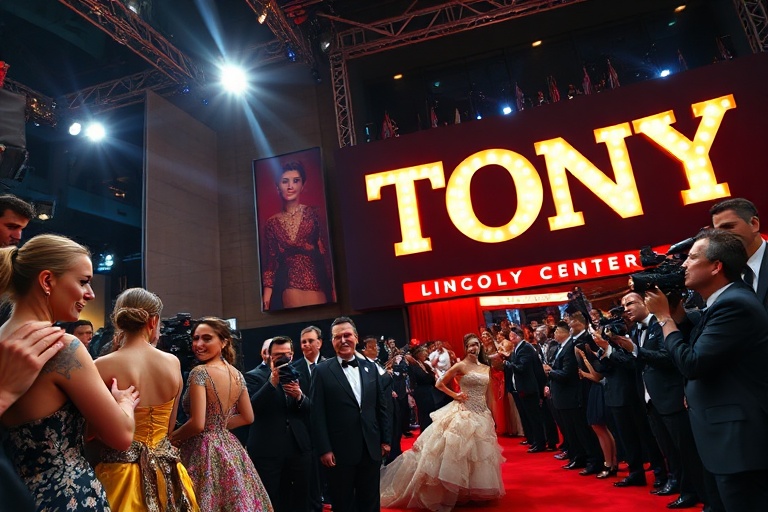
Tony Awards: History, Impact, and Cultural Significance
The Tony Awards, officially known as the Antoinette Perry Awards for Excellence in Broadway Theatre, stand as the highest honor in American theater. Since their inception in 1947, these awards have recognized the best performances, productions, and creative contributions on Broadway stages. More than just a ceremony, the Tonys represent the pinnacle of theatrical achievement, shaping careers and influencing the cultural landscape of live performance.
The History and Evolution of the Tony Awards
The Tony Awards were established by the American Theatre Wing to celebrate excellence in theater, named in honor of Antoinette Perry, a co-founder of the organization and a pioneering figure in American drama. The first ceremony took place in 1947 at the Waldorf Astoria in New York City, a modest beginning for what would become one of the most prestigious events in entertainment.
In the decades since, the Tonys have grown from a small gathering of theater insiders to a nationally televised spectacle watched by millions. The ceremony itself has evolved, reflecting changes in both the industry and popular culture. While the core mission has remained constant—honoring outstanding work in Broadway theater—the awards have adapted to include new categories, such as Best Revival of a Play and Best Revival of a Musical, in response to shifting artistic trends.
The Tony Awards have also played a crucial role in preserving the legacy of Broadway. By spotlighting both new and classic productions, the ceremony helps sustain interest in theatrical storytelling at a time when digital entertainment dominates the cultural conversation. The awards serve as a bridge between past and present, ensuring that the art form continues to thrive in an ever-changing world.
Categories and Selection Process
The Tony Awards recognize achievements in a wide range of categories, covering every aspect of theatrical production. Some of the most prestigious include:
- Best Play – Awarded to the most outstanding new play of the season.
- Best Musical – Honors the best new musical production.
- Best Revival of a Play or Musical – Recognizes outstanding restaged productions of classic works.
- Best Actor/Actress in a Play or Musical – Celebrates the leading performances in theatrical productions.
- Best Direction and Choreography – Awards the visionaries behind the staging and movement in productions.
- Best Scenic, Lighting, and Costume Design – Recognizes the technical and artistic contributions that bring productions to life.
The selection process for the Tony Awards is rigorous. Eligible productions must meet specific criteria, including a minimum number of performances and a designated Broadway theater location. Nominations are determined by a committee of industry professionals, including members of the American Theatre Wing and The Broadway League. The final winners are chosen through a vote by the Tony Awards Administration Committee, ensuring that the process remains both democratic and reflective of the industry’s standards.
This system has occasionally sparked debate, particularly when snubs or unexpected wins occur. However, the Tonys’ reputation for integrity has helped maintain their prestige over time. The awards remain a benchmark for artistic excellence, influencing both creative decisions and audience expectations.
The Cultural Impact of the Tony Awards
Beyond the glittering ceremony itself, the Tony Awards have a far-reaching impact on the theater industry and beyond. Winning a Tony can catapult a performer’s career, as seen with stars like Audra McDonald, Lin-Manuel Miranda, and Viola Davis, all of whom have used their wins as springboards to greater success in film, television, and music.
The awards also influence audience behavior. A Tony win often leads to increased ticket sales, helping struggling productions stay afloat. Conversely, a high-profile nomination can introduce audiences to new stories and artists they might otherwise overlook. This dynamic has made the Tonys a powerful force in shaping the Broadway landscape, encouraging innovation while honoring tradition.
The ceremony itself has become a cultural event, blending live performances with Hollywood-style glitz. Over the years, the Tonys have featured iconic moments, from Barbra Streisand’s emotional acceptance speech in 1964 to Lin-Manuel Miranda’s rap acceptance in 2016. These moments transcend theater, embedding themselves in the broader cultural memory and reinforcing the Tonys’ role as a unifying force in the arts.
Yet the awards are not without controversy. Some critics argue that the Tonys favor commercial success over artistic merit, pointing to the dominance of big-budget musicals in recent years. Others question the lack of diversity among nominees and winners, particularly in categories like Best Play, where underrepresented voices have historically been overlooked. These critiques highlight the challenges of balancing tradition with progress in an industry striving for inclusivity.
Looking Ahead: The Future of the Tony Awards
As the theater world continues to evolve, so too must the Tony Awards. The rise of streaming and digital platforms has transformed how audiences consume entertainment, creating both challenges and opportunities for live theater. The Tonys must navigate this shifting landscape, finding ways to engage younger audiences while preserving the essence of what makes Broadway unique.
One promising development is the increasing recognition of diverse voices in theater. The 2023 season saw groundbreaking wins for productions like Kimberly Akimbo and A Strange Loop, which challenged traditional narratives and expanded the boundaries of what Broadway can be. These victories suggest a growing willingness within the industry to embrace change, though much work remains to ensure equitable representation across all categories.
The Tony Awards also face the challenge of maintaining relevance in an era of fragmented media consumption. While the ceremony remains a major television event, viewership has declined in recent years as audiences turn to on-demand content. The Tony organization has responded by experimenting with new formats, including livestreams and social media engagement, to reach broader audiences and keep the conversation about theater alive.
Ultimately, the Tony Awards’ greatest strength lies in their ability to adapt. From their humble beginnings to their current status as a cultural institution, the Tonys have consistently reflected the spirit of their time. As long as they continue to honor excellence while embracing innovation, they will remain a vital force in the world of American theater.
For those interested in exploring more about the intersection of theater and culture, visit Dave’s Locker’s Entertainment section for in-depth coverage of Broadway, film, and beyond. Additionally, the Culture section offers broader perspectives on how live performance shapes society.
Key Takeaways About the Tony Awards
- The Tony Awards are the highest honor in American theater, celebrating excellence in Broadway productions.
- Established in 1947, the Tonys have evolved from a small gathering to a nationally televised event.
- The awards recognize achievements in acting, directing, design, and more, with a rigorous selection process.
- The Tonys have a significant cultural impact, influencing careers, ticket sales, and audience engagement.
- Recent years have seen efforts to increase diversity and adapt to changing media landscapes.
The Tony Awards remind us that theater is not just an art form but a living, breathing part of our cultural heritage. As long as there are stories to tell and stages to fill, the Tonys will continue to honor those who bring them to life.