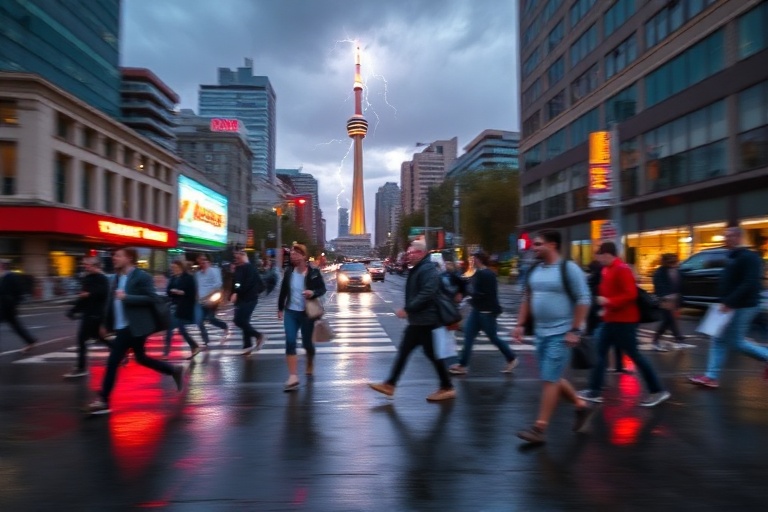
Toronto Tempo: How Canada’s Largest City Sets the Rhythm for Urban Life
The pulse of Toronto beats faster than most North American cities—its streets hum with a rhythm that blends ambition, diversity, and relentless motion. Known as the Toronto tempo, this energy reflects the city’s role as Canada’s economic engine and cultural crossroads. From the financial district’s towering skyscrapers to the crowded sidewalks of Kensington Market, Toronto’s pace isn’t just a local phenomenon; it’s a global case study in how urban environments adapt to constant change.
Toronto’s tempo is shaped by its people. Over half of its residents were born outside Canada, creating a mosaic of languages, cuisines, and customs that move at a brisk pace. This diversity fuels a 24-hour energy that contrasts sharply with cities that slow down after business hours. The Toronto tempo isn’t just about speed—it’s about resilience, adaptability, and the ability to absorb new influences without losing its core identity.
The Economic Engine Behind the Beat
Toronto’s financial sector operates like a metronome set to a brisk allegro. The Toronto Stock Exchange processes billions in trades daily, while Bay Street’s law firms and tech startups maintain a relentless pace of deal-making. This economic tempo attracts talent from around the world, creating a feedback loop where ambition feeds speed.
According to a 2023 report by the Brookfield Institute, Toronto’s GDP growth outpaced Canada’s national average by 1.2% annually between 2015 and 2022. Much of this stems from the city’s ability to pivot quickly—whether shifting from manufacturing to tech in the 1990s or now leading in AI and fintech. This adaptability keeps the city’s rhythm steady even as global trends change.
The Toronto tempo also extends to its real estate market, where property values have risen by 78% over the past decade despite frequent policy interventions. High demand and limited space force both businesses and residents to operate efficiently, reinforcing the city’s fast-paced character.
Culture in Constant Motion
Toronto’s arts and entertainment scene thrives within the Toronto tempo framework. The Toronto International Film Festival (TIFF) draws global attention each September, but it’s the city’s year-round festivals—like Caribana, Nuit Blanche, and Pride—that truly embody its cultural velocity. These events aren’t just celebrations; they’re high-speed collisions of creativity, commerce, and community.
The music scene reflects this tempo through genres like Afrobeats, hip-hop, and indie rock, all flourishing in venues from the intimate Horseshoe Tavern to the massive Budweiser Stage. Toronto artists like Drake, The Weeknd, and Tate McRae didn’t just rise to fame—they emerged from a city that moves at an unrelenting pace. The city’s record labels, producers, and streaming platforms operate 24/7, ensuring that new sounds spread quickly.
Toronto’s theatre and dance communities also keep pace. The Canadian Stage and Mirvish Productions mount productions in rapid succession, while the city’s many independent galleries rotate exhibitions every few weeks. This constant churn keeps audiences engaged and artists challenged.
The Human Cost of the Toronto Tempo
Yet the Toronto tempo comes with trade-offs. The city’s rapid growth has led to housing shortages, with average home prices exceeding $1.1 million in 2024. Commuters face gridlock on the 401 and Gardiner Expressway, with average travel times among the longest in North America. The pressure to keep up extends beyond work—social calendars fill quickly, and the demand for personal space often takes a backseat to productivity.
A 2022 study by the Centre for Addiction and Mental Health (CAMH) found that Toronto residents report higher stress levels than the national average, particularly among young professionals. The city’s mental health resources struggle to keep pace with demand, highlighting the human toll of its relentless rhythm.
Even Toronto’s food culture reflects this tension. The city’s 8,000+ restaurants serve an astonishing variety of cuisines, but many workers in the industry face grueling schedules. Delivery apps like Uber Eats and DoorDash have intensified the pace, turning once-leisurely dining experiences into on-demand services.
Comparing Toronto’s Tempo to Other Global Cities
Toronto’s tempo shares traits with other fast-paced cities, but it also stands apart. Unlike New York, where the pace is relentless but long-established, Toronto’s tempo feels more recent—like a city that’s still figuring out how to balance speed with livability. Unlike London, where history slows progress in some areas, Toronto’s youth and multiculturalism allow it to move forward without the same constraints.
Consider these comparisons:
- New York City: Toronto’s tempo is less intense but more evenly distributed across the city. Manhattan’s financial district empties at midnight, while Toronto’s Entertainment District stays lively until 2 AM.
- London: Toronto’s growth is more recent, with less historical baggage slowing its pace. The Tube shuts down; Toronto’s subway runs all night on weekends.
- Tokyo: Toronto’s tempo is more relaxed in terms of personal space and etiquette, but both cities share a high tolerance for density and efficiency.
- Berlin: Toronto’s tempo is driven by commerce and immigration, while Berlin’s is more countercultural and community-focused. Toronto’s cafés close by 6 PM; Berlin’s stay open late.
Toronto’s ability to blend these rhythms—its willingness to borrow from global models while maintaining its own identity—is what makes its tempo unique. It’s not the fastest city in the world, but it’s one of the most adaptable.
Can Toronto Sustain Its Pace Without Losing Its Soul?
The question now is whether Toronto can maintain its tempo without burning out. City planners are experimenting with solutions, from expanding transit via the Ontario Line to introducing “15-minute neighborhoods” where residents can access amenities within a short walk. The goal is to reduce reliance on speed while preserving the city’s dynamism.
Community initiatives like the Toronto Tool Library and Repair Cafés offer alternatives to the throwaway culture that often accompanies fast-paced living. Meanwhile, the city’s growing co-working spaces and maker labs provide more sustainable ways to work and create.
Toronto’s future tempo may depend on striking a balance—keeping the energy that drives innovation while slowing down enough to protect mental health and social connections. It’s a challenge faced by many global cities, but Toronto’s multicultural foundation gives it a unique advantage.
As the city continues to evolve, one thing remains clear: the Toronto tempo isn’t slowing down. Whether you love it or find it exhausting, it’s a rhythm that defines life in Canada’s largest city—and one that will shape its future for decades to come.
For more on how Toronto’s pace compares to other global hubs, explore our Sports section, where we examine how different cities balance competition and community.