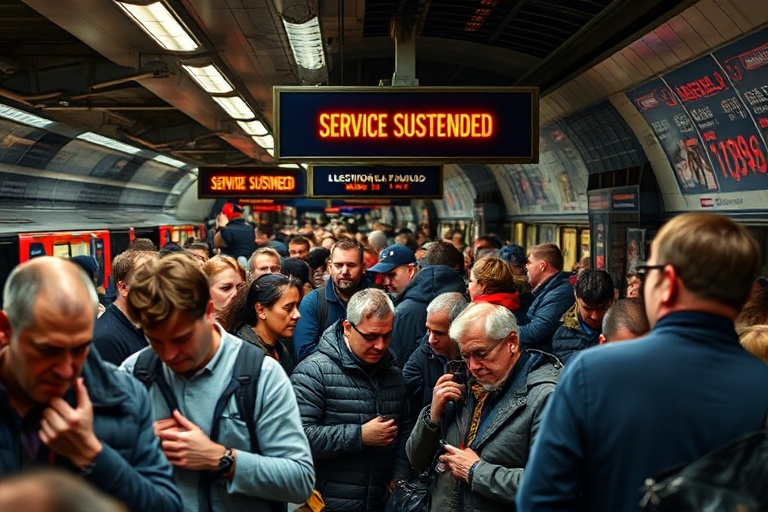
tube strikes next week
London’s public transport network faces another disruption next week as tube strikes loom over the city. Transport for London (TfL) has confirmed industrial action by the RMT and Unite unions, scheduled for Tuesday, Wednesday, and Thursday. The strikes, which protest planned cuts to jobs and services, will affect all 11 tube lines, though some partial services may operate during partial walkouts.
The unions argue the cuts threaten safety and accessibility, while TfL insists the changes are necessary to balance its budget amid declining ridership and government funding pressures. With London’s economy heavily reliant on its transport network, the timing of these strikes—coming just weeks after previous disruptions—raises concerns about long-term impacts on commuters, businesses, and the city’s global standing.
Why Are the Strikes Happening Now?
The latest round of industrial action stems from ongoing disputes over TfL’s cost-cutting measures. The RMT and Unite unions oppose plans to reduce station staffing, close ticket offices, and cut night services on certain lines. These changes are part of a broader strategy to save £150 million annually, as TfL grapples with a £700 million budget shortfall.
The unions argue that fewer staff will compromise safety and accessibility, particularly for elderly and disabled passengers. TfL, however, contends that automation and digital ticketing can offset some of these losses without sacrificing service quality. The standoff reflects a wider trend in public transport, where financial sustainability clashes with worker and passenger rights.
Historically, tube strikes in London have followed a pattern: unions push back against austerity measures, TfL warns of financial collapse, and commuters bear the brunt of the disruption. This cycle shows no signs of breaking, as both sides dig in ahead of potential further strikes later in the year.
What to Expect During the Strikes
Commuters should prepare for significant delays and cancellations across the network. Here’s what to anticipate:
- Limited services: Most lines will operate at reduced capacity, with some routes seeing no service at all.
- Longer journey times: Overcrowding on buses and roads will exacerbate delays, especially during peak hours.
- Alternative transport: TfL has promised extra buses and Santander Cycles, but demand may outstrip supply.
- School closures: Some schools have already announced closures or staggered start times to accommodate staff unable to travel.
- Economic impact: Businesses in central London, particularly retail and hospitality, may see reduced footfall during the strikes.
The strikes will begin at 4:30 AM on Tuesday and continue through Thursday evening. Night Tube services will also be affected, with no trains running on the Victoria, Central, Jubilee, and Piccadilly lines. Commuters are advised to check TfL’s website or app for real-time updates, as last-minute changes to routes and schedules are likely.
For those who can work remotely, this may be the most practical solution. However, with many workers unable to do so, the strikes will test London’s resilience once again. The city has weathered similar disruptions in the past, but the cumulative effect of repeated strikes is taking a toll on public morale.
Broader Implications for London
The strikes are more than just a temporary inconvenience; they highlight deeper issues within London’s transport system and its governance. The reliance on strikes as a bargaining tool reflects the strained relationship between unions and TfL, a relationship that has deteriorated over years of austerity and privatization debates.
Financially, the strikes could cost London’s economy millions. A 2015 study estimated that a single day of tube strikes cost the city £100 million in lost productivity. While the exact figure for next week’s strikes remains unclear, the economic hit will likely be significant, particularly for small businesses and gig economy workers who cannot afford to miss a day’s pay.
Politically, the strikes put pressure on Mayor Sadiq Khan, who has thus far supported TfL’s cost-cutting measures while also advocating for better worker protections. His ability to mediate between the unions and TfL will be closely watched, especially as Londoners grow increasingly frustrated with the frequency of disruptions.
Socially, the strikes disproportionately affect low-income workers who rely on the tube for their daily commute. These workers often lack the flexibility to work from home or absorb the cost of alternative transport. The strikes, therefore, amplify existing inequalities, forcing vulnerable communities to bear the brunt of systemic issues.
How to Prepare and What Comes Next
For commuters, preparation is key. Here are some steps to mitigate the impact of the strikes:
- Plan ahead: Check TfL’s website for service updates and consider alternative routes. Apps like Citymapper can help navigate disruptions.
- Work flexibly: If possible, adjust your schedule to avoid peak travel times or work remotely.
- Budget for extra costs: If you must use alternative transport, factor in higher fares for black cabs or ride-sharing services.
- Stay informed: Follow TfL’s social media channels and local news outlets for real-time updates.
- Support local businesses: If you’re a business owner, consider flexible working arrangements for staff or offer support to those struggling with travel.
Beyond next week, the strikes are a symptom of a larger problem: the unsustainable financial model of London’s transport system. TfL’s reliance on government bailouts and fare revenue is increasingly precarious, especially as ridership struggles to recover post-pandemic. Without a long-term funding solution, Londoners can expect more strikes, more disruptions, and more frustration in the years to come.
The unions have already hinted at further industrial action if their demands are not met. Meanwhile, TfL’s leadership faces a stark choice: impose deeper cuts that risk public backlash or seek alternative funding sources that may be politically unpopular. Either way, the outcome will shape London’s transport landscape for years to come.
For now, London’s commuters must steel themselves for another week of chaos. But as the dust settles, the question remains: will anything change, or is this just another chapter in the city’s endless cycle of strikes and struggles?
For more on London’s transport challenges, explore our Transport category.
To understand how strikes impact urban economies, read our Economy section.