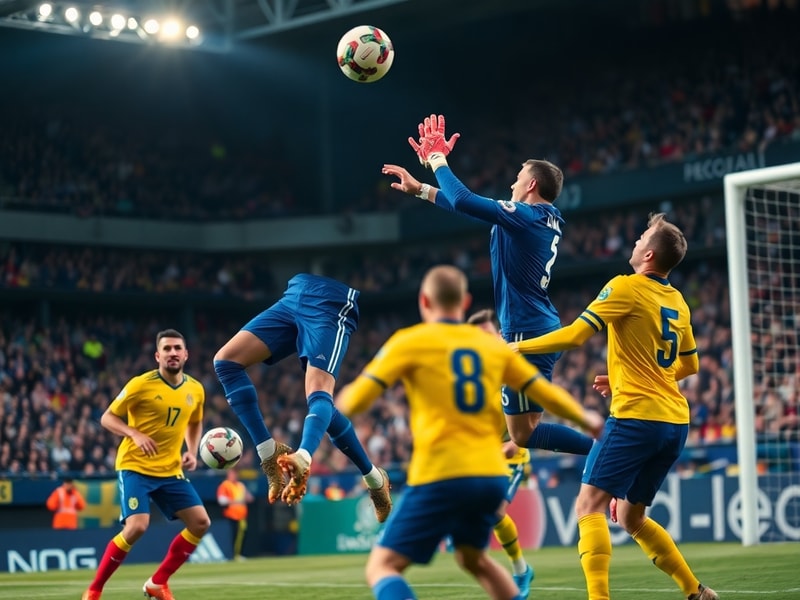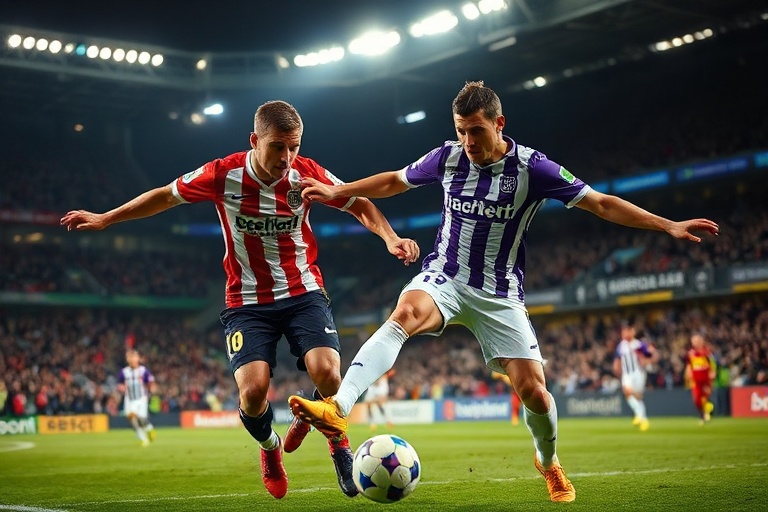
The Brussels derby between Union Saint-Gilloise and Anderlecht is more than just a football match; it’s a clash of cultures, histories, and identities. When these two teams meet, the city of Brussels pauses. Supporters pack the stadiums, bars overflow with chants, and the city’s heartbeat quickens. This fixture isn’t just about three points—it’s about pride, legacy, and the soul of Belgian football.
Union Saint-Gilloise, often referred to simply as Union SG, has enjoyed a remarkable resurgence in recent years. Once a sleeping giant of Belgian football, the club has clawed its way back to the top flight after decades in the lower divisions. Anderlecht, on the other hand, remains Belgium’s most successful club, with a trophy cabinet that gleams with 34 league titles. The contrast between the two teams—one a phoenix rising, the other a storied institution—makes their encounters electric.
The Historical Rivalry: Roots of a Brussels Derby
The rivalry between Union SG and Anderlecht stretches back nearly a century. It began in the 1920s and 1930s, when both clubs were dominant forces in Belgian football. Union SG, founded in 1897, was one of the country’s earliest powerhouses, winning six league titles by 1935. Anderlecht, established in 1908, was rising at the same time but would eventually eclipse Union SG in terms of success.
Their head-to-head record has favored Anderlecht for most of their history. However, Union SG’s recent revival has reignited the rivalry. Fans of both clubs still debate the golden eras of each team, with Union SG’s supporters pointing to their club’s early dominance and Anderlecht’s fans highlighting their unmatched domestic success. The Brussels derby isn’t just about football; it’s about reclaiming history.
Key Moments in the Rivalry
- 1930s Dominance: Union SG won six league titles in the 1930s, while Anderlecht was still finding its footing.
- 1970s Shift: Anderlecht became Belgium’s premier club, winning multiple European trophies, while Union SG struggled.
- 2021 Promotion: Union SG’s return to the Belgian Pro League after 48 years in lower divisions reignited the rivalry.
- Recent Thrillers: Matches in 2022 and 2023 ended in dramatic draws, with Union SG proving they belong among Belgium’s elite.
Tactical Battles: How the Two Teams Approach the Game
The tactical battle in the Brussels derby is a fascinating study in contrasts. Union SG, under manager Karel Geraerts, has embraced an aggressive, high-pressing style. Their system relies on quick transitions, relentless pressing, and exploiting spaces left by opponents. The team’s young, dynamic squad—featuring players like Cameron Puertas and Bart Nieuwkoop—has made them a formidable force.
Anderlecht, managed by Brian Riemer, has taken a different approach. While they possess talented individuals like Johan Bakayoko and Amadou Diawara, their style has been more measured. Anderlecht often sets up in a compact 4-2-3-1, looking to control the midfield and strike on the counter. Their experience in big games gives them an edge, but Union SG’s intensity has unsettled them in recent clashes.
The tactical duel is also a clash of philosophies. Union SG represents the future of Belgian football—youth development, attacking football, and fearless ambition. Anderlecht, while still investing in talent, leans on tradition and experience. When these two mindsets collide, the result is often unpredictable.
Broader Implications: Beyond the Derby
The Union SG vs Anderlecht rivalry extends far beyond the pitch. It reflects the broader shifts in Belgian football, where clubs outside the traditional “Big Three” (Anderlecht, Club Brugge, Standard Liège) are rising. Union SG’s resurgence is part of a wider trend—clubs like Genk and Antwerp are also challenging the establishment, forcing the giants to adapt.
Financially, the rivalry highlights the growing influence of private investment in Belgian football. Union SG’s rise has been fueled by backing from 777 Partners, while Anderlecht has relied on a mix of traditional revenue and commercial deals. The derby is a microcosm of the financial battles shaping the sport.
For Belgian football as a whole, the Union SG vs Anderlecht rivalry is a sign of health. A competitive league keeps fans engaged, attracts investment, and produces better players. When two Brussels clubs battle for supremacy, it puts Belgian football on the map—not just as a feeder for bigger leagues, but as a destination in its own right.
What’s Next for the Rivalry?
The future of the Brussels derby looks brighter than ever. Union SG’s continued growth suggests they will push Anderlecht harder in the coming seasons. With both clubs likely to compete in European competitions, the rivalry could take on even greater significance.
For Union SG, the goal is clear: dethrone Anderlecht and establish themselves as Belgium’s second powerhouse. For Anderlecht, the challenge is to adapt to a changing landscape while maintaining their dominance. The derby is no longer just a local fixture—it’s a statement.
One thing is certain: when Union Saint-Gilloise and Anderlecht meet, Belgian football breathes.
Where to Follow the Action
For the latest updates on Union SG, Anderlecht, and Belgian football, follow Dave’s Locker Sports. For in-depth analysis and opinions, check out Dave’s Locker Analysis.
Final Thoughts
The Union SG vs Anderlecht rivalry is a reminder that football is more than just a sport—it’s a reflection of identity, ambition, and history. As Belgian football evolves, this derby will remain at its heart, a battleground where legacies are forged and futures are decided.