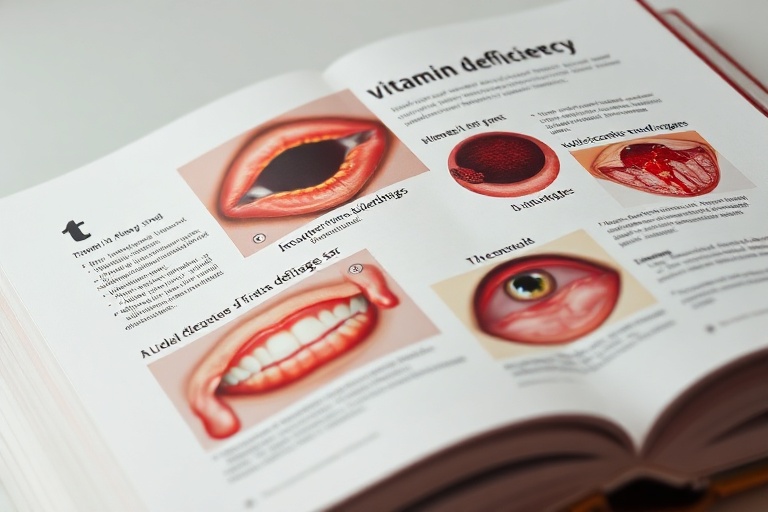
vitamin k deficiency
Understanding Vitamin K Deficiency: Causes, Symptoms, and Global Impact
Vitamin K deficiency may not dominate headlines like other nutritional concerns, yet its effects ripple across populations worldwide. This often-overlooked condition disrupts blood clotting and bone health, creating silent yet serious health challenges. From urban hospitals to rural clinics, healthcare providers increasingly recognize its prevalence, especially among vulnerable groups.
Unlike more widely discussed deficiencies such as vitamin D or iron, vitamin K receives less attention despite its critical role in human physiology. Its absence doesn’t just slow recovery from injuries—it can lead to life-threatening complications. Understanding this condition requires examining its biological function, identifying at-risk populations, and exploring how modern diets and healthcare disparities contribute to its persistence.
The Role of Vitamin K in the Human Body
Vitamin K serves as a cofactor for enzymes that activate proteins essential for blood coagulation and bone mineralization. Without adequate levels, the body struggles to form clots efficiently, increasing the risk of excessive bleeding. Two primary forms exist: vitamin K1 (phylloquinone), found in green leafy vegetables, and vitamin K2 (menaquinone), produced by gut bacteria and present in fermented foods.
While the liver stores only small amounts of vitamin K, its turnover rate is high, meaning daily intake matters. Populations consuming Western-style diets rich in processed foods often lack sufficient vitamin K1, while those with compromised gut microbiomes—such as the elderly or individuals on long-term antibiotics—may suffer from low vitamin K2. This dual dependency makes deficiency a nuanced issue, influenced by both diet and internal biology.
Global Patterns: Who Is Most Affected?
Vitamin K deficiency does not discriminate, but certain groups face higher risks due to biological, economic, and environmental factors. Neonates, for instance, are particularly susceptible because vitamin K does not cross the placental barrier efficiently, and breast milk contains low levels. This explains why many countries mandate intramuscular vitamin K injections at birth—a practice that has dramatically reduced hemorrhagic disease in newborns.
In developing nations, dietary staples often lack vitamin K-rich foods, while in wealthier countries, overreliance on processed meals contributes to deficiency. The elderly represent another high-risk group, as aging reduces both dietary intake and gut bacterial synthesis. In Japan, where fermented foods like natto are dietary staples, rates of deficiency are lower compared to Western nations where such foods are less common.
Cultural dietary practices also shape vulnerability. Traditional Mediterranean diets, rich in olive oil, leafy greens, and legumes, provide ample vitamin K1. Conversely, diets heavy in refined carbohydrates and low in vegetables—common in urbanized societies—disproportionately affect lower-income populations. These disparities highlight how vitamin K deficiency is not merely a medical issue but a reflection of broader socioeconomic and cultural trends.
Recognizing the Symptoms: From Mild to Severe
Early signs of vitamin K deficiency are subtle and often mistaken for other conditions. Easy bruising, prolonged bleeding from cuts, or frequent nosebleeds may indicate insufficient clotting ability. Women might experience heavier menstrual periods, while older adults could notice increased gum bleeding during brushing. These symptoms, though seemingly minor, can escalate if left unaddressed.
In severe cases, deficiency leads to uncontrolled bleeding, which may manifest as gastrointestinal hemorrhages or joint bleeds. Infants with undiagnosed deficiency can suffer from intracranial bleeding, a medical emergency with potentially fatal outcomes. Diagnosing the condition typically involves blood tests to measure prothrombin time (PT) and international normalized ratio (INR), which assess clotting function.
Preventing misdiagnosis requires awareness among healthcare providers, especially in regions where vitamin K deficiency is rarely considered. Public health campaigns in Scandinavia and parts of Europe have successfully reduced cases by educating parents and physicians about the importance of early intervention. Such initiatives underscore the need for proactive screening in at-risk populations.
Dietary Solutions and Public Health Strategies
Addressing vitamin K deficiency begins with dietary modification. Leafy greens—kale, spinach, Swiss chard—are among the richest sources of vitamin K1, while fermented foods like sauerkraut, miso, and natto provide vitamin K2. However, accessibility remains a barrier for many. In sub-Saharan Africa, where fresh produce is scarce during dry seasons, supplementation programs have proven effective in reducing deficiency-related complications.
Fortified foods offer another solution. Many countries mandate vitamin K fortification in infant formulas and some dairy products. In the United States, the Centers for Disease Control and Prevention (CDC) recommends vitamin K supplementation for newborns, a policy credited with nearly eliminating hemorrhagic disease in infants. Similar programs in Brazil and Thailand have shown promising results in reducing maternal and infant mortality linked to vitamin K deficiency.
For adults, balancing vitamin K intake with medications like warfarin—an anticoagulant—requires careful management. Warfarin works by inhibiting vitamin K-dependent clotting factors, so inconsistent intake can disrupt its effectiveness. Patients must maintain steady vitamin K levels, which is why dietitians often counsel them on consistent vegetable consumption rather than avoidance.
The Connection to Bone Health and Chronic Disease
Emerging research links vitamin K deficiency to osteoporosis and arterial calcification, conditions that extend beyond bleeding risks. Vitamin K2, in particular, activates osteocalcin, a protein that binds calcium to bones. Low levels of vitamin K2 have been associated with higher fracture rates in postmenopausal women, a demographic already prone to bone density loss.
Similarly, vitamin K’s role in regulating calcium metabolism suggests a protective effect against cardiovascular disease. Some studies indicate that adequate vitamin K2 intake may reduce arterial stiffness and lower the risk of coronary artery disease. These findings challenge the notion that vitamin K is solely a clotting nutrient, positioning it as a key player in long-term health.
Public health experts argue that integrating vitamin K education into broader nutrition programs could yield significant benefits. For example, promoting vitamin K-rich diets alongside calcium and vitamin D recommendations might improve outcomes for osteoporosis patients. Such holistic approaches reflect a growing recognition of micronutrients’ interconnected roles in human health.
Conclusion: A Call for Greater Awareness
Vitamin K deficiency remains an underappreciated health concern, yet its consequences are far-reaching. From newborns in rural clinics to elderly patients in urban hospitals, the risks are real and often preventable. Addressing this issue demands a multifaceted approach: dietary education, public health policies, and clinical awareness. Countries that have prioritized vitamin K supplementation and fortification demonstrate that progress is possible.
For individuals, small dietary adjustments—adding a handful of spinach to meals or incorporating fermented foods—can make a meaningful difference. For policymakers, investing in fortification programs and public health campaigns could avert costly medical complications down the line. Recognizing vitamin K deficiency as a global health priority is the first step toward reducing its silent yet significant impact on populations worldwide.
To learn more about how dietary choices influence long-term health, explore our Health section. For insights into public health initiatives addressing micronutrient deficiencies, visit our Science category.