What Are the Most Wanted Lists Telling Us About Society?
The concept of a “most wanted” list has evolved far beyond its origins in law enforcement. Today, it spans entertainment, technology, and even consumer trends. These lists reflect what the public—or specific communities—desire most at any given moment. Whether compiled by media outlets, law enforcement agencies, or online communities, they offer a snapshot of collective priorities and curiosities.
Tracking these lists provides insight into cultural shifts, technological advancements, and societal values. For journalists, analysts, and curious observers alike, they serve as a fascinating lens through which to examine what drives human interest and ambition.
The Evolution of the Most Wanted List
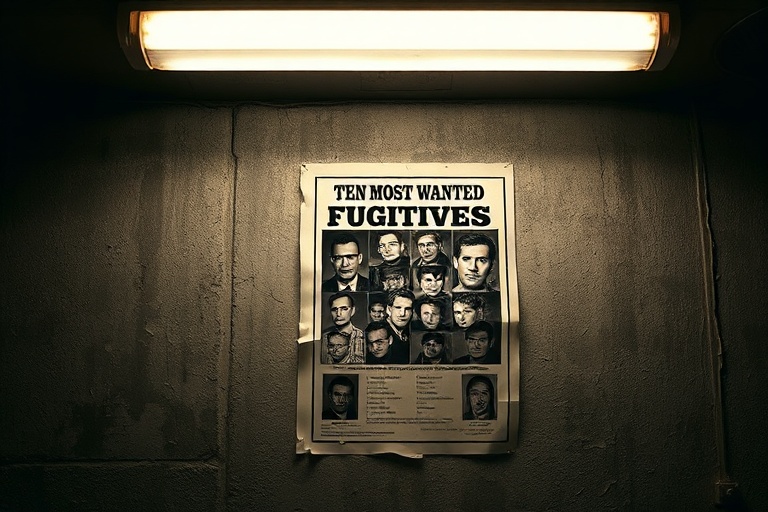
The earliest iterations of most wanted lists emerged in the mid-20th century, primarily as tools for law enforcement. The FBI’s Most Wanted List, established in 1950, became a cultural touchstone, turning fugitives into household names. These lists were designed to enlist public help in capturing dangerous individuals, blending urgency with a sense of collective responsibility.
Over time, the format expanded beyond crime. By the 1980s and 1990s, entertainment publications began compiling lists of the hottest stars, most anticipated films, and trending musicians. MTV’s “Most Wanted” segment, for example, highlighted emerging artists and viral moments, reflecting the growing influence of pop culture on mainstream consciousness.
In the digital age, most wanted lists have taken on new forms. Online forums, social media platforms, and algorithm-driven content curation have democratized the process of compiling and sharing these lists. Today, a viral tweet or TikTok trend can propel a person, product, or idea onto a most wanted list overnight, demonstrating how quickly public interest can shift in the internet era.
How Most Wanted Lists Shape Public Perception
The influence of most wanted lists extends beyond mere curiosity. They shape industries, influence purchasing decisions, and even drive policy changes. For businesses, landing on a most wanted list can mean a surge in sales, brand recognition, or investor interest. For artists and creators, it can mean career-defining exposure.
Consider the impact of technology lists. Annual rankings of the most anticipated gadgets or software updates can set the tone for consumer expectations. Companies scramble to meet the criteria outlined in these lists, knowing that placement can translate to millions in revenue. Similarly, in entertainment, a spot on a “most wanted” list often signals a project’s potential for success, influencing casting choices, marketing strategies, and distribution deals.
Yet, the power of these lists isn’t without controversy. Critics argue that they create a culture of hype, where fleeting trends overshadow meaningful achievements. Others point out that the algorithms driving these lists can reinforce echo chambers, prioritizing engagement over substance.
Key Factors That Determine Placement on a Most Wanted List
While the criteria for inclusion vary widely, several common themes emerge:
- Relevance: How closely a subject aligns with current cultural, technological, or societal trends.
- Urgency: The perceived need or demand for a particular outcome, whether it’s a product launch or a social change.
- Visibility: The ability to capture attention through media coverage, social media buzz, or word-of-mouth.
- Impact: The potential for a subject to influence a broader audience or industry.
- Controversy: In some cases, polarizing figures or ideas gain traction precisely because they spark debate.
The Role of Most Wanted Lists in Modern Society
Most wanted lists today serve as both a mirror and a magnifying glass. They reflect what society values, fears, or aspires to at any given moment. For law enforcement, they remain a critical tool for public safety. For businesses, they offer a roadmap for innovation and marketing. For artists and creators, they provide validation and exposure.
Yet, their role is not without challenges. The speed at which these lists are compiled and disseminated can lead to inaccuracies or oversimplifications. A fleeting trend might dominate a list one week, only to disappear the next, leaving little room for deeper analysis or context. This volatility raises questions about the sustainability of hype-driven culture.
Moreover, the democratization of list-making has diluted the authority of traditional sources. While once dominated by established institutions—such as the FBI, major media outlets, or industry insiders—today’s most wanted lists are often crowdsourced or algorithmically generated. This shift empowers niche communities but also creates fragmentation, making it harder to discern which lists truly matter.
Looking Ahead: The Future of Most Wanted Lists
As technology continues to evolve, so too will the nature of most wanted lists. Artificial intelligence and machine learning are already being used to predict trends and compile rankings with unprecedented speed and precision. Social media platforms leverage engagement metrics to generate real-time lists, often prioritizing viral moments over substantive content.
For journalists and analysts, this presents both an opportunity and a challenge. The ability to track and interpret these lists in real time offers a powerful tool for understanding public sentiment. Yet, the sheer volume of data can be overwhelming, requiring careful curation to separate signal from noise.
One thing is clear: most wanted lists will continue to evolve alongside society. They will adapt to new technologies, cultural shifts, and consumer behaviors, remaining a vital barometer of what captures our collective imagination. For those who study them, they offer a unique window into the forces shaping our world.
Conclusion
The most wanted list is more than a snapshot of desire—it’s a reflection of who we are and what we value. From fugitives to fashion trends, these lists capture the essence of human ambition, fear, and curiosity. As society changes, so too will the criteria for inclusion, ensuring that the most wanted list remains a dynamic and ever-relevant tool for understanding the world around us.
For those interested in exploring the broader implications of these lists, examining their role in crime, culture, and commerce reveals just how deeply they influence our lives. Whether you’re a journalist, a business owner, or simply a curious observer, keeping an eye on the most wanted list offers a fascinating glimpse into the pulse of society.