For decades, Wrexham Association Football Club existed in relative obscurity—a proud but financially fragile institution in the Welsh football pyramid. That all changed in 2020 when Hollywood actors Ryan Reynolds and Rob McElhenney, fresh off the success of their production company, purchased the club through their RR McReynolds Company LLC. What followed wasn’t just a change in ownership but a cultural reset that has reverberated far beyond the Racecourse Ground.
The impact of their takeover has been both immediate and long-term, touching everything from matchday experiences to global visibility. But how exactly has this unconventional leadership reshaped Wrexham FC, and what does it mean for the future of football clubs operating in the shadow of larger, wealthier competitors?
The Reynolds-McElhenney Effect: More Than Just a Branding Exercise
At first glance, Reynolds and McElhenney’s involvement seemed like a novelty act—two celebrities dabbling in lower-league football. Yet, their approach quickly proved strategic. The club’s social media presence exploded, with Reynolds’ wit and McElhenney’s earnest enthusiasm drawing attention from outlets like Dave’s Locker Sports and beyond. Their documentary series, Welcome to Wrexham, further amplified their reach, turning the club into a global talking point.
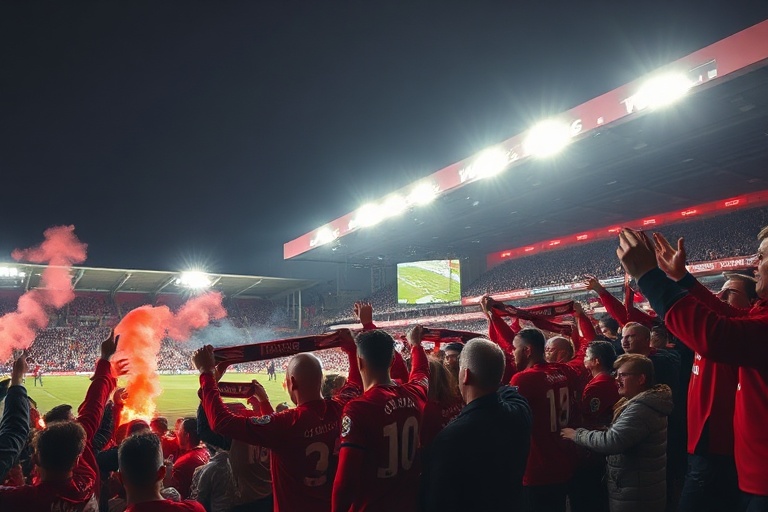
But the changes went deeper than just media savvy. The owners invested in infrastructure, improved player facilities, and even explored innovative revenue streams. Season ticket sales surged, merchandise became a global seller, and the club’s average attendance rose significantly. These weren’t just superficial boosts; they reflected a genuine commitment to sustainable growth.
Critics argued that the Hollywood angle would overshadow the football itself. Yet, on-field progress under managers like Phil Parkinson has silenced some skeptics. Promotion to League Two in 2023 marked a tangible return on their investment, proving that entertainment and sporting ambition could coexist.
Key Takeaways from Wrexham’s Transformation
- Media Leverage: Reynolds and McElhenney’s industry connections turned Wrexham into a content goldmine, from viral social media posts to a critically acclaimed docuseries.
- Infrastructure Upgrades: Investment in training facilities, stadium improvements, and fan experiences created a more professional environment.
- Community Engagement: The owners prioritized local initiatives, strengthening ties with supporters who had long felt neglected by previous regimes.
- On-Field Progress: Despite initial skepticism, the club’s promotion in 2023 validated their long-term vision.
Beyond Wrexham: The Broader Implications for Football Clubs
Wrexham’s story isn’t just about one club’s revival; it’s a case study in how modern ownership—even unconventional ownership—can disrupt traditional football hierarchies. In an era where financial disparities between leagues grow wider by the season, Wrexham’s model offers a counterpoint: creativity and branding can level the playing field.
Other clubs have taken notice. Lower-league teams across the UK are exploring similar strategies, from leveraging social media to forming partnerships with influencers. The English Football League itself has begun to recognize the value of such approaches, with initiatives aimed at helping smaller clubs monetize their fanbases more effectively.
Yet, challenges remain. Not every club has access to Hollywood-level resources, and the sustainability of such models depends on consistent performance and fan buy-in. Wrexham’s success hinges on maintaining momentum both on and off the pitch, a balancing act that requires as much financial prudence as it does creative flair.
What’s Next for Wrexham FC?
With League Two football now a reality, Wrexham faces new pressures. The club must navigate the demands of professional football while preserving the authenticity that made their story compelling in the first place. Reynolds and McElhenney have already hinted at further expansion plans, including potential stadium redevelopments and even global tours.
For supporters, the challenge is maintaining perspective. The hype around Wrexham is undeniable, but the ultimate measure of success will be whether the club can establish itself as a permanent fixture in the professional game. The next few seasons will reveal whether their model is a blueprint for others or a one-off experiment.
One thing is certain: Wrexham’s journey has already redefined what it means to be a football club in the 21st century. Whether it’s through entertainment, innovation, or sheer determination, they’ve shown that even the smallest clubs can dream big.
Conclusion: A New Chapter for Welsh Football
Wrexham FC’s transformation under Reynolds and McElhenney is more than a feel-good story—it’s a blueprint for how modern football clubs can thrive in an increasingly commercialized sport. Their blend of entertainment and investment has not only revitalized a historic club but also inspired conversations about the future of football governance.
As Wrexham continues to make headlines, one question lingers: Can their model be replicated elsewhere? If so, the landscape of lower-league football may look very different in a decade. For now, Wrexham stands as a testament to what happens when passion meets opportunity—and the results are impossible to ignore.