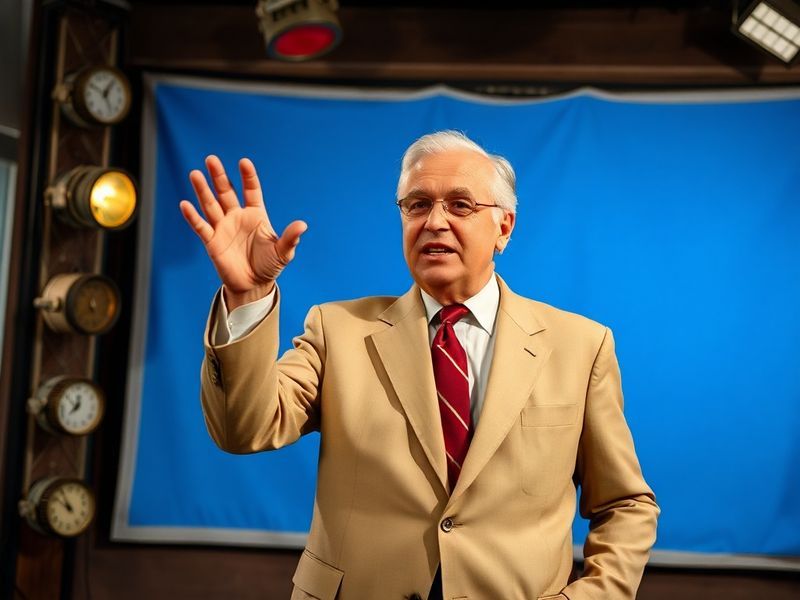
In the ever-evolving landscape of Hollywood, few actors have transitioned as seamlessly between genres and generations as Aaron Taylor-Johnson. Born Aaron Perry Johnson on February 13, 1990, in High Wycombe, England, his career spans over three decades, beginning as a child actor in British television and evolving into a respected figure in international cinema. Today, he stands as a testament to versatility, having delivered memorable performances in both indie dramas and blockbuster franchises.
Taylor-Johnson’s rise to global recognition reflects broader shifts in the entertainment industry, where authenticity and emotional depth increasingly define success. His collaborations with visionary directors and his ability to embody complex characters have earned him critical acclaim and a dedicated fan base across continents. This journey—from a young performer in modest UK productions to a Hollywood star with a diverse portfolio—offers insight into the changing nature of stardom in the 21st century.
Early Life and Entry into Acting
Taylor-Johnson’s introduction to the performing arts began early. At just six years old, he appeared in a local theatre production of Bugsy Malone. This early exposure sparked a passion that led his parents to support his burgeoning career. By age nine, he had landed his first television role in the British series Family Affairs, a soap opera that ran on Channel 5.
His early career was marked by steady work in British television and film, including appearances in Shanghai Knights (2003) alongside Jackie Chan and Owen Wilson. Though these roles were small, they provided invaluable experience and visibility in the competitive UK market. Taylor-Johnson attended the Jackie Palmer Stage School, where he honed his craft in acting, singing, and dancing—skills that would later serve him well in a range of roles.
By his mid-teens, he had transitioned into more substantial projects, including the 2006 drama The Illusionist, starring Edward Norton, where he played a supporting role. These formative years were not without challenges. The entertainment industry often demands resilience, and Taylor-Johnson balanced schooling with auditions and on-set commitments, a reality faced by many young performers worldwide.
Breakthrough and Critical Acclaim
Taylor-Johnson’s breakthrough came in 2010 with Kick-Ass, a subversive superhero film directed by Matthew Vaughn. In the movie, he played Dave Lizewski, the unassuming teenager who becomes the vigilante Kick-Ass. The role required both physical transformation and emotional nuance, as the character navigates the absurdity and danger of vigilante life. The film’s dark humor and stylistic boldness resonated with audiences, particularly younger viewers drawn to its anti-hero narrative.
The success of Kick-Ass catapulted Taylor-Johnson into the spotlight. He earned widespread praise for his performance, which balanced humor, vulnerability, and unexpected depth. The role also marked a shift in how superhero films approached protagonists—moving away from invincible figures to flawed, relatable individuals. This thematic evolution mirrored changing cultural attitudes toward heroism and identity in the 2010s.
Following Kick-Ass, Taylor-Johnson continued to diversify his portfolio. In 2012, he starred in Anna Karenina, Joe Wright’s visually opulent adaptation of Tolstoy’s classic novel. His portrayal of Count Vronsky showcased his ability to inhabit period roles with emotional authenticity. The film, though not a commercial blockbuster, reinforced his reputation as an actor capable of carrying art-house projects with gravitas.
- Now You See Me (2013) – Played a skilled magician in a heist thriller that blended spectacle with clever plotting.
- Godzilla (2014) – Joined the iconic franchise as Ford Brody, a naval officer caught in the global crisis sparked by the titular creature.
- Nocturnal Animals (2016) – Delivered a standout performance in Tom Ford’s neo-noir psychological drama, earning a Golden Globe nomination.
- Bullet Train (2022) – Starred as a lethal assassin in a high-octane action comedy directed by David Leitch.
Global Stardom and Artistic Versatility
Taylor-Johnson’s international appeal is rooted in his disciplined approach to acting and his willingness to take risks. Unlike many actors who become typecast after early success, he has actively sought roles that challenge audiences and critics alike. His performance in Nocturnal Animals (2016), where he played both a grieving father and a fictionalized antagonist, demonstrated his range and emotional precision. The film, a meditation on revenge and loss, received acclaim at the Venice Film Festival and solidified his status in auteur-driven cinema.
His role in 1917 (2019), directed by Sam Mendes, further cemented his place in high-stakes historical drama. Though his screen time was limited, his portrayal of a British soldier in World War I contributed to the film’s immersive realism. The movie’s innovative single-shot technique and harrowing portrayal of war received widespread recognition, including three Academy Awards.
Taylor-Johnson’s ability to navigate between mainstream entertainment and arthouse cinema reflects a global trend in which audiences increasingly value depth and originality. In markets like Japan and South Korea, his films have found enthusiastic audiences, particularly among younger viewers who appreciate his blend of intensity and charisma. This cross-cultural appeal is not accidental—it stems from his commitment to roles that transcend language and geography.
Personal Life and Public Persona
Taylor-Johnson’s personal life has also shaped his public image. He married filmmaker Sam Taylor-Johnson (née Samuel) in 2012, and the couple has two daughters. Their relationship, often described as supportive and collaborative, has become a point of interest in celebrity culture. In 2020, the couple legally changed their surname to Taylor-Johnson, combining their identities professionally and personally.
Unlike many stars who maintain a carefully curated image, Taylor-Johnson has spoken openly about the pressures of fame, the importance of family, and the need for authenticity in an industry often criticized for superficiality. His interviews reveal a thoughtful, introspective individual—qualities that resonate in an era where audiences increasingly value genuineness over performative perfection.
He is also known for his philanthropic efforts, supporting organizations such as the Teenage Cancer Trust and environmental initiatives. These contributions reflect a broader commitment to social responsibility, a value increasingly expected of public figures today.
Legacy and Future Trajectory
As of 2024, Aaron Taylor-Johnson remains one of the most compelling actors of his generation. His filmography—encompassing comedy, drama, action, and fantasy—demonstrates a rare adaptability. In an era where content is abundant but attention spans are short, his ability to deliver consistently strong performances positions him as a long-term leading man.
Looking ahead, Taylor-Johnson is set to star in The Fall Guy, a 2024 action-comedy film directed by David Leitch, reuniting him with Bullet Train collaborators. The project, based on the 1980s TV series, blends meta-humor with high-energy stunts, promising to showcase both his comedic timing and physicality.
His career trajectory also speaks to broader shifts in the film industry. As streaming platforms and international co-productions redefine how stories are told and consumed, actors like Taylor-Johnson—who can traverse genres and cultures—are becoming indispensable. His success underscores the enduring power of strong storytelling and disciplined craft, values that remain central to cinema’s identity.
For aspiring actors and audiences alike, Taylor-Johnson’s journey offers a reminder: stardom is not a destination but a continuous evolution. It demands curiosity, resilience, and a willingness to embrace the unfamiliar. In an industry often driven by trends and short-term gains, his career stands as a model of thoughtful progression.