Arsenal Kit: History, Design, and Global Influence Explained
The Arsenal football kit is more than just a uniform. For over a century, it has represented a club steeped in history, resilience, and a commitment to stylish football. From the iconic red shirts to the innovative designs of recent years, the kit has evolved while maintaining its core identity. This evolution reflects broader trends in sports fashion, global fan engagement, and the commercialization of football.
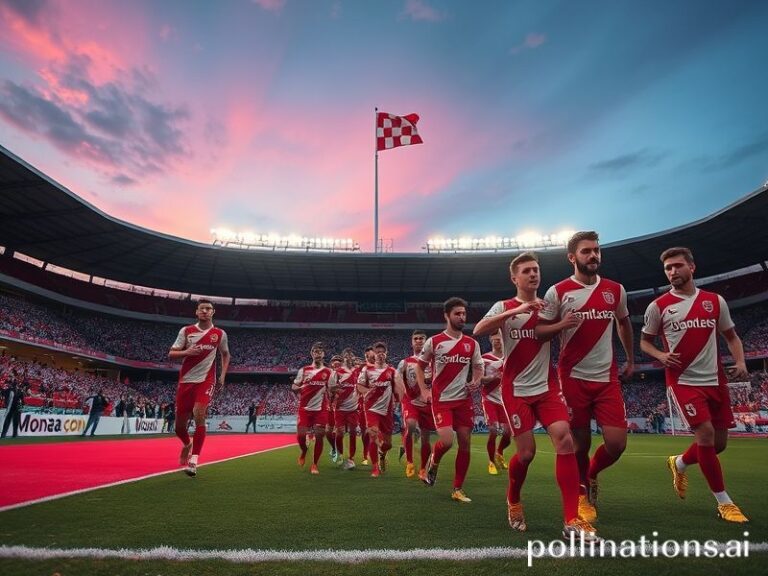
The club’s home kit, traditionally featuring red shirts with white sleeves, has become synonymous with the Arsenal brand. This color scheme dates back to 1933, when Herbert Chapman, one of football’s most influential managers, introduced the design. Chapman’s vision was not merely aesthetic; it was strategic. The white sleeves were intended to make players more visible to each other during matches, a practical decision that inadvertently created one of football’s most recognizable kits.
The Cultural Significance of Arsenal’s Home Kit
The Arsenal home kit transcends its functional purpose. It is a symbol of identity for fans across the globe, from the Emirates Stadium in London to the bustling streets of Lagos, Tokyo, and São Paulo. For supporters, wearing the kit is an act of allegiance, a way to connect with the club’s values of ambition, creativity, and community.
In many parts of the world, the Arsenal kit has become a fashion statement beyond the pitch. The club’s collaboration with brands like Nike and Adidas has elevated its kits to the realm of streetwear, blending sports functionality with urban style. This crossover appeal has made Arsenal’s kits coveted items in fashion circles, particularly in cities where football culture intersects with contemporary trends.
The kit’s influence extends to art and design. Artists and designers often reference its bold simplicity in their work, using the red and white color scheme to evoke themes of passion, discipline, and heritage. Even in non-football contexts, the Arsenal kit’s design principles have inspired collections in high fashion, proving its versatility as a cultural artifact.
Global Fan Engagement and the Kit’s Role
Arsenal’s global fanbase is one of the largest in football, with supporters’ clubs spanning every continent. The kit serves as a unifying force, bringing together diverse communities under a shared banner. For many fans, owning an Arsenal kit is a rite of passage—a tangible link to the club’s rich history and its present-day ambitions.
The club’s marketing strategies have leveraged this global appeal, releasing limited-edition kits and collaborating with local artists to create region-specific designs. These initiatives not only celebrate cultural diversity but also reinforce Arsenal’s commitment to its international fanbase. For example, the club’s annual “No More Red” campaign, which celebrates the global fanbase, often features unique kit designs that reflect local influences.
- Asia: In markets like Japan and South Korea, Arsenal’s kits are often paired with local streetwear brands, creating a fusion of football and urban culture.
- North America: The club’s partnership with the NBA’s Brooklyn Nets has led to crossover kit designs that appeal to fans of both sports.
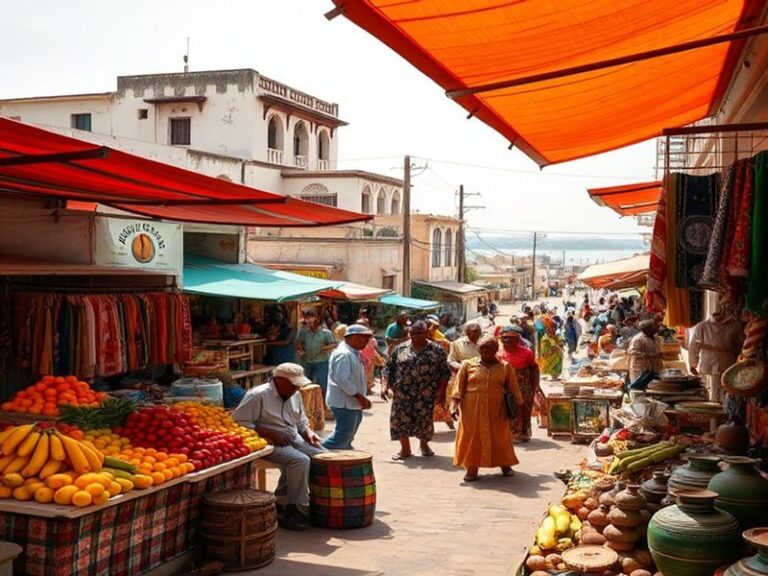
- Africa: In countries like Nigeria and Ghana, Arsenal’s kits are frequently customized by local tailors, adding personal touches that reflect individual style.
- Europe: In markets like Germany and France, the kits are often seen in fan merchandise stores alongside retro designs, appealing to both new and nostalgic supporters.
The Evolution of Arsenal’s Away and Third Kits
While the home kit is the most iconic, Arsenal’s away and third kits have also played a significant role in the club’s visual identity. These kits often push creative boundaries, reflecting the club’s willingness to experiment with design.
The away kit, traditionally white or black, has seen a variety of iterations over the years. In the 1970s, Arsenal’s away kit featured a bold yellow and blue design, a stark contrast to the home kit. More recently, the club has embraced bolder patterns and color schemes, such as the 2021-22 away kit, which featured a geometric black and gold design inspired by the club’s heritage.
The third kit, introduced in the 1990s, has become a canvas for innovation. These kits often incorporate unconventional materials, sustainable fabrics, and avant-garde designs. For instance, the 2020-21 third kit was made from 100% recycled materials and featured a striking neon green and black pattern. This commitment to sustainability aligns with modern consumer values and reflects Arsenal’s efforts to reduce its environmental footprint.
Commercial Success and the Kit’s Economic Impact
The Arsenal kit is a cornerstone of the club’s commercial revenue, generating millions annually through kit sales, sponsorships, and licensing deals. The club’s partnership with Nike, which began in 2014, has been particularly lucrative, allowing Arsenal to leverage the kit’s global appeal while maintaining high production standards.
Kit launches are major events in the football calendar, often accompanied by promotional campaigns, social media buzz, and fan events. The release of a new kit can drive merchandise sales, boost club revenue, and even influence stock market perceptions of the club’s financial health. For Arsenal, a club with a rich history and a global fanbase, the kit is not just a product—it is a revenue stream and a marketing tool.
The economic impact of the Arsenal kit extends beyond the club itself. Kit manufacturers, retailers, and even local economies benefit from the demand for official merchandise. In cities like London, the sale of Arsenal kits contributes to the retail sector, while in regions like Southeast Asia, the kits are often retailed through local distributors, creating jobs and supporting small businesses.
Arsenal Kit in the Digital Age: Social Media and Fan Interaction
The digital age has transformed how fans engage with the Arsenal kit. Social media platforms like Instagram, Twitter, and TikTok have become hubs for kit-related content, from unboxing videos to fan art. The club’s official channels often feature behind-the-scenes footage of kit design processes, giving fans a deeper connection to the product.
Fan engagement has also evolved with technology. Augmented reality (AR) and virtual reality (VR) experiences allow supporters to “try on” kits digitally, while interactive websites let fans customize their own designs. These innovations have made the Arsenal kit more than just a physical product—they have turned it into an immersive experience.
The rise of e-commerce has further democratized access to Arsenal kits. Fans no longer need to visit a physical store to purchase official merchandise; they can buy kits with a few clicks from anywhere in the world. This accessibility has expanded Arsenal’s market reach, particularly in regions where football culture is growing but physical retail options are limited.
The Future of Arsenal’s Kit Design
As football and fashion continue to intersect, the future of Arsenal’s kit design looks promising. The club’s commitment to sustainability, innovation, and fan engagement suggests that upcoming kits will not only reflect the latest trends but also address pressing global issues like climate change.
One area to watch is the use of smart fabrics and wearable technology. While still in its infancy, the integration of sensors and performance-tracking features into kits could revolutionize how players and fans interact with the product. Imagine a kit that monitors hydration levels or tracks player movement—such innovations could set new standards in sportswear.
Another trend is the continued blurring of lines between football kits and streetwear. Collaborations with high-end designers and fashion houses could elevate Arsenal’s kits to the realm of luxury fashion, appealing to a broader audience beyond traditional football fans. This strategy has already been successful for clubs like Manchester United and Liverpool, and Arsenal is well-positioned to follow suit.
Ultimately, the Arsenal kit will continue to evolve, but its core values—heritage, innovation, and community—will remain unchanged. For fans old and new, the kit will always be a symbol of what Arsenal represents: a club that embraces the past while striving for the future.
Conclusion
The Arsenal kit is a testament to the power of design, tradition, and global connectivity. From its humble beginnings in the 1930s to its status as a fashion icon today, the kit has evolved alongside the club and its supporters. It is more than just a piece of clothing; it is a cultural artifact, an economic driver, and a symbol of unity for fans worldwide.
As Arsenal continues to push boundaries in football and fashion, the kit will remain at the heart of its identity. Whether worn in a stadium, on the streets, or in the digital realm, the Arsenal kit will always carry the spirit of the club—a spirit that is as bold and dynamic as the red and white stripes themselves.
For fans and fashion enthusiasts alike, the Arsenal kit is a reminder that football is more than a game. It is a global language, and the kit is its most visible dialect.
Explore more about football culture and merchandise on Sports.