bexley
Bexley: A Borough of Contrasts in the Heart of London
Nestled in the southeastern corner of Greater London, Bexley is a borough that often escapes the limelight despite its rich history and diverse character. Unlike its more glamorous neighbors to the west, Bexley has carved out a unique identity through its blend of suburban tranquility, industrial heritage, and pockets of natural beauty. From the leafy expanses of Danson Park to the bustling high streets of Bexleyheath and Sidcup, this area offers a microcosm of London’s evolution over the centuries.
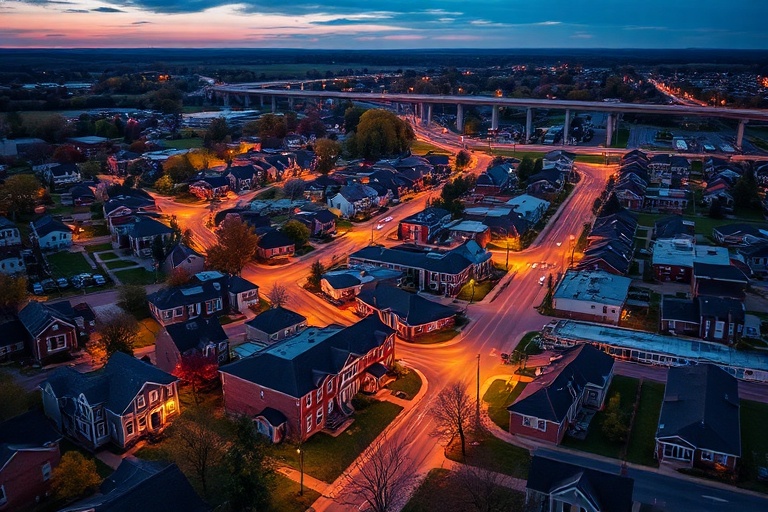
Geographically, Bexley spans just over 23 square miles, making it one of the smaller boroughs in the capital. Yet, its compact size belies its complexity. The River Cray and the River Darent, two of London’s lesser-known tributaries, weave through the landscape, shaping both the terrain and the local economy. Historically, Bexley was a collection of rural parishes until the 20th century, when urban expansion and the arrival of the railway transformed it into a suburban hub. Today, it stands as a testament to London’s ability to absorb and adapt, where centuries-old villages coexist with modern housing estates.
The Historical Tapestry of Bexley
Bexley’s story begins long before it became part of London. The name itself is derived from the Old English words “Beohha’s leah,” meaning “Beohha’s clearing,” referencing an early Saxon landowner. Evidence of human settlement dates back to the Neolithic period, with artifacts uncovered in areas like Crayford hinting at ancient communities. The Romans later left their mark, with a villa discovered in Bexleyheath suggesting agricultural and possibly administrative activity.
By the medieval period, Bexley was a collection of farming communities centered around the parish church of St. Mary the Virgin in Bexley. The area’s proximity to London made it an attractive location for the city’s elite, who built grand estates such as Hall Place in Bexley, a stunning Tudor-Jacobean manor that still stands today. The estate’s gardens, now a public attraction, reflect the opulence of the era and offer a glimpse into the lives of those who once called it home.
The 18th and 19th centuries brought further change. The Industrial Revolution saw the arrival of factories and mills along the River Cray, while the advent of the railway in the mid-1800s spurred suburban growth. The opening of Bexleyheath railway station in 1895 marked a turning point, turning what had been a quiet rural area into a commuter belt for London’s workforce. This transformation is visible even today in the architecture, where Victorian terraces sit alongside post-war council housing, each layer telling a different chapter of Bexley’s past.
Cultural and Social Fabric: A Microcosm of London
Bexley’s cultural identity is as varied as its history. The borough is home to a mix of long-established communities and newer immigrant populations, creating a social fabric that is both traditional and dynamic. One of the most notable aspects of Bexley’s cultural life is its commitment to the arts, despite its reputation as a predominantly residential area. The Edward Alderton Theatre in Bexleyheath has been a cultural staple since the 1960s, hosting plays, musicals, and community performances. Meanwhile, the Bexley Heritage Trust works to preserve and promote the borough’s history through exhibitions and educational programs.
Education also plays a significant role in shaping Bexley’s identity. The borough is home to several well-regarded schools and colleges, including Bexley Grammar School, which has a history dating back to the 16th century. Higher education is represented by the University of Greenwich’s Avery Hill Campus, which sits on the border between Bexley and Greenwich. The campus is known for its sports facilities and has become a hub for student life in the area.
Sport is another cornerstone of Bexley’s social scene. Football fans will recognize the borough as the childhood home of England legend Paul Gascoigne, who grew up in the Gillingham area before moving to Newcastle. While Bexley may not be a hotbed for top-tier professional sports, it has a thriving grassroots scene. Local clubs like Bexley FC and Welling United FC compete in non-league football, while the borough’s parks provide spaces for cricket, rugby, and athletics. For those interested in sports beyond the professional sphere, Bexley offers plenty of opportunities to get involved at the community level.
Green Spaces and Urban Challenges
One of Bexley’s most appealing features is its abundance of green spaces. Danson Park, a 75-hectare expanse of lakes, woodlands, and formal gardens, is the borough’s crown jewel. Originally part of the Danson Estate, the park was opened to the public in the 1920s and has since become a beloved retreat for locals and visitors alike. The park hosts events throughout the year, from outdoor theatre performances to seasonal festivals, making it a cultural hub in its own right.
Other notable green spaces include Footscray Meadows, a Site of Special Scientific Interest (SSSI) that provides a haven for wildlife, and the Thames Path, which runs along the borough’s northern edge. These spaces are not just recreational areas; they are vital for preserving biodiversity and providing residents with a connection to nature. However, like many urban green spaces, they face challenges from pollution, invasive species, and the pressures of increased foot traffic.
Despite its greenery, Bexley is not without its urban challenges. Like many outer London boroughs, it grapples with issues such as housing affordability, transport congestion, and the need for sustainable development. The rise of property prices in recent years has put pressure on long-term residents, while the borough’s aging infrastructure struggles to keep pace with population growth. Initiatives like the Bexley Town Centre regeneration project aim to address some of these issues by improving public spaces and attracting investment.
The borough’s transport links, while improved in recent years, remain a point of contention. The Elizabeth Line, which opened in 2022, has provided a much-needed boost to connectivity, reducing travel times to central London. However, some areas, particularly those on the outskirts like Slade Green, still rely heavily on buses and private vehicles. The challenge for Bexley will be to balance development with accessibility, ensuring that its residents can benefit from the borough’s growth without being priced out.
A Global Perspective: Bexley in the Wider World
From a global perspective, Bexley offers a fascinating case study in suburbanization and the evolution of urban peripheries. Unlike the inner-city areas that often dominate discussions about London, Bexley represents the “outer city” — a place where the metropolis extends into the countryside, creating a hybrid of urban and rural life. This phenomenon is not unique to London; similar patterns can be seen in cities around the world, from the suburbs of New York to the outer districts of Tokyo.
One way to understand Bexley’s place in the world is to compare it to other suburban boroughs. For example, Bexley shares similarities with Bromley to the south, another borough with a mix of green spaces and urban development. However, Bexley’s industrial heritage and its role as a commuter hub set it apart. Globally, suburban areas like Bexley often serve as a barometer for broader societal trends, from economic shifts to changes in lifestyle preferences. The rise of remote working, for instance, has led to increased interest in suburban living, with Bexley benefiting from its proximity to London without the high costs of central areas.
Culturally, Bexley’s diversity reflects London’s broader global identity. The borough is home to communities from a wide range of backgrounds, including significant Polish, Indian, and Caribbean populations. This diversity is celebrated in local events such as the Bexley Multicultural Festival, which showcases food, music, and traditions from around the world. Such events highlight Bexley’s role as a microcosm of London’s multiculturalism, where different cultures coexist and enrich the borough’s social fabric.
Economically, Bexley has traditionally been seen as a dormitory suburb, with many residents commuting to central London for work. However, this is slowly changing. The growth of local businesses, particularly in retail and services, has created jobs within the borough. Areas like Bexleyheath have seen a resurgence in recent years, with new shopping centers and entertainment venues attracting visitors from across London. This economic shift reflects a broader trend in suburban areas, where the lines between residential and commercial zones are becoming increasingly blurred.
Looking Ahead: The Future of Bexley
The future of Bexley will be shaped by a combination of local initiatives and broader trends. One of the most pressing challenges is housing. Like many parts of London, Bexley faces a shortage of affordable housing, a problem exacerbated by rising property prices and the demand for new developments. The borough’s Local Plan, which guides development until 2036, aims to address this by prioritizing sustainable growth and protecting green spaces. However, striking the right balance between development and preservation will be key.
Transportation will also play a crucial role in Bexley’s future. The Elizabeth Line has already improved connectivity, but further enhancements, such as upgrades to bus routes and cycling infrastructure, could make the borough even more accessible. Sustainable transport solutions will be particularly important as the borough seeks to reduce its carbon footprint and improve air quality.
Culturally, Bexley’s future will depend on its ability to preserve its unique character while embracing change. The borough’s heritage assets, from Hall Place to the historic churches, must be protected, but so too must its evolving identity. Initiatives like the Bexley Heritage Trust’s work to digitize archives and engage younger generations will be vital in ensuring that the borough’s history remains alive and relevant.
For residents and visitors alike, Bexley offers a compelling blend of the old and the new. It is a place where history is tangible, where green spaces provide a respite from urban life, and where community spirit thrives. As London continues to grow and change, Bexley stands as a reminder of the city’s ability to adapt while retaining its unique character. Whether you’re exploring its historic estates, enjoying its parks, or simply strolling through its leafy streets, Bexley invites you to discover a side of London that is often overlooked but always rewarding.
Conclusion: Why Bexley Matters
Bexley may not be the first name that comes to mind when thinking of London, but it is a borough that deserves attention. Its history, culture, and green spaces tell a story of resilience and adaptation, one that reflects the broader evolution of cities around the world. In an era where urbanization and sustainability are key concerns, Bexley offers a model of how suburban areas can balance growth with preservation. For those willing to look beyond the city’s well-trodden paths, Bexley reveals a London that is both familiar and unexpected, a place where the past and future coexist harmoniously.