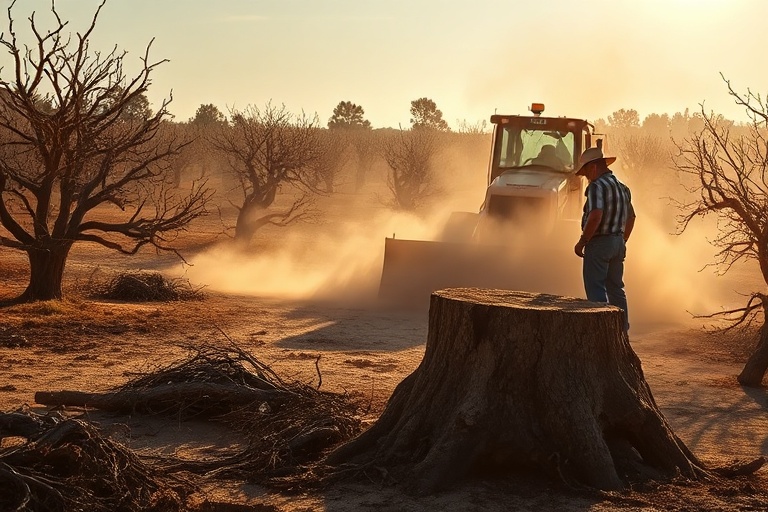
California Peach Tree Removal: Costs and Best Practices
Published:
Peach trees in California once thrived as a staple of the state’s agricultural heritage, but changing climate patterns, disease pressures, and economic factors have led many property owners to reconsider their presence. Removing a peach tree is a decision that involves weighing environmental impact, financial costs, and long-term landscape planning. Whether driven by disease, urban development, or a shift in agricultural priorities, the process requires careful planning to ensure minimal disruption.
The decision to remove a peach tree often begins with an assessment of its health and productivity. Many peach varieties in California are susceptible to fungal infections such as leaf curl and brown rot, which can devastate fruit yield and even threaten the tree’s survival. When treatment becomes costlier than removal, property owners face a critical choice. According to the University of California Agriculture and Natural Resources, improper removal can lead to soil erosion, pest infestations, and disruption of nearby plants. For these reasons, professional consultation is strongly advised before cutting down any mature tree.
Why Remove a Peach Tree?
Peach tree removal is not undertaken lightly. Several key factors typically drive the decision:
- Disease and Pest Infestation: Peach trees are vulnerable to peach leaf curl, bacterial spot, and borer insects. Once infected, treatment may only delay the inevitable decline, making removal the most responsible option.
- Age and Decline: Fruit-bearing trees naturally decline after 10–15 years. Older trees produce smaller, lower-quality fruit and are more prone to structural failure.
- Land Use Changes: Urban expansion, construction projects, or zoning changes may require removal to accommodate new development or landscaping needs.
- Low Yield or Poor Fruit Quality: Commercial growers sometimes remove underperforming trees to replant with more profitable or disease-resistant varieties.
In California’s Central Valley, where peach orchards once dominated, many growers are transitioning to nuts or citrus due to water scarcity and shifting market demands. This agricultural shift has accelerated the removal of thousands of peach trees annually, reshaping regional landscapes.
The Removal Process: What to Expect
Removing a peach tree—especially one over 10 feet tall—is a hazardous task that often requires professional arborists. The process typically follows a structured approach:
- Assessment: A certified arborist evaluates the tree’s health, location, and surrounding structures. They consider proximity to power lines, buildings, and other trees before drafting a removal plan.
- Permits and Regulations: In some California cities, tree removal—especially of mature or heritage trees—requires permits. Local ordinances may also govern disposal methods and replanting requirements. Always check with your city’s planning department before proceeding.
- Safety Precautions: Arborists use ropes, harnesses, and cranes to safely dismantle the tree in sections, minimizing risk to property and personnel. Chainsaws, wood chippers, and stump grinders are standard tools.
- Cleanup and Disposal: After removal, the wood can be repurposed as firewood, mulch, or lumber. Stump grinding eliminates tripping hazards and allows for new planting. Some companies offer eco-friendly disposal services that recycle wood into chips for landscaping.
Costs vary widely based on tree size, location, and accessibility. According to HomeAdvisor, the average cost to remove a peach tree in California ranges from $300 to $1,200. Factors like hazardous terrain, multiple trees, or difficult access can drive this price higher. For large orchards, commercial removal services may offer bulk discounts.
Alternatives to Removal
Not every declining peach tree needs to be cut down. Several alternatives allow property owners to preserve the tree while addressing issues:
- Pruning and Rejuvenation: Heavy pruning can restore vigor to overgrown or diseased trees. Certified arborists can remove deadwood, shape the canopy, and improve air circulation to reduce fungal risks.
- Treatment and Prevention: Fungicides and horticultural oils can manage peach leaf curl and other common diseases. Proper sanitation—such as removing fallen fruit and leaves—helps prevent reinfection.
- Grafting: For heirloom or sentimental trees, grafting new scions onto healthy rootstock may revive productivity without full removal. This process requires expertise and patience but can extend the tree’s life by decades.
- Relocation: In rare cases, young or healthy trees can be transplanted to a more suitable location. However, this is costly and risky, with survival rates dropping significantly for mature trees.
For property owners hesitant about removal, consulting an agricultural extension office or local nursery can provide tailored guidance. Programs like the UC Master Gardener Program offer free advice on tree care and disease management across California.
Environmental and Economic Impact
The removal of peach trees—especially in commercial orchards—has broader implications for California’s agricultural economy. The state produces over 50% of U.S. peaches, and shifts in crop composition affect local markets, labor, and food supply chains. In 2022, the USDA reported a 12% decline in California peach acreage over five years, reflecting a broader trend toward drought-resistant crops like almonds and pistachios.
Environmentally, tree removal can disrupt local ecosystems. Peach trees support pollinators like bees and provide habitat for birds and insects. When large orchards are cleared, property owners are encouraged to replant with native or pollinator-friendly species to maintain biodiversity. The California Department of Fish and Wildlife recommends selecting drought-tolerant natives such as manzanita or ceanothus, which require less water and support local wildlife.
Economically, the cost of removal is often offset by potential gains from land redevelopment or reduced water usage. However, for homeowners, the emotional cost of losing a tree—especially one planted decades ago—can outweigh financial considerations. In such cases, replanting with a different fruit tree, such as an apricot or fig, may offer a compromise between progress and preservation.
When to Call a Professional
While minor pruning can be a DIY task, full tree removal is best left to professionals. Consider hiring an arborist if:
- The tree is near power lines, structures, or other valuable plants.
- It shows signs of internal decay, such as hollow trunks or fungal conks.
- You lack the necessary equipment or experience with chainsaws and rigging.
- Local regulations require certified removal due to tree size or species.
To find a reputable service, look for arborists certified by the International Society of Arboriculture (ISA). Avoid companies that pressure you into unnecessary removals or lack proper insurance. Always request a written estimate and check references before signing a contract.
For more information on tree care and local services, visit Dave’s Locker Outdoors section, which features guides on sustainable landscaping and regional gardening tips.
Final Thoughts
Peach tree removal in California is a decision rooted in both practicality and responsibility. Whether driven by disease, development, or changing agricultural priorities, the process demands careful planning to balance human needs with environmental stewardship. While removal can be costly and emotionally challenging, it also presents an opportunity to revitalize landscapes, support local ecosystems, and adapt to a changing climate.
Property owners considering removal should explore alternatives, consult professionals, and plan for responsible disposal or replanting. By doing so, they contribute to a more sustainable and resilient future for California’s green spaces and agricultural heritage.