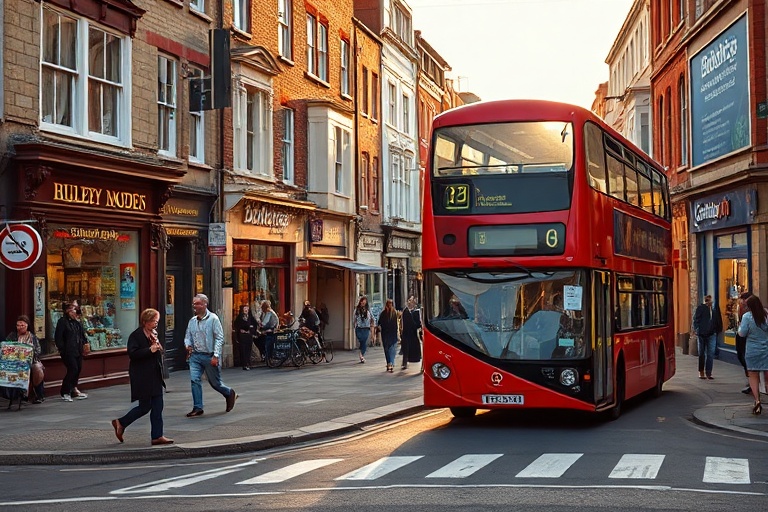
Cambridge Street Scarborough: Toronto’s Neighborhood at a Crossroads
Scarborough’s Cambridge Street has quietly become one of Toronto’s most compelling neighborhoods. Once a stretch of modest homes and local businesses, it now pulses with new energy, drawing residents, investors, and visitors alike. The transformation reflects broader trends in urban development, where affordability meets opportunity—and where change doesn’t come without tension.
The street’s evolution mirrors similar shifts across Toronto’s inner suburbs. From its industrial past to its current role as a cultural crossroads, Cambridge Street tells a story of adaptation. It’s a place where old and new coexist, sometimes uneasily, creating a dynamic that’s worth examining.
The Rise of Cambridge Street in Toronto’s Urban Fabric
Cambridge Street sits just west of Warden Avenue, sandwiched between aging apartment complexes and a mix of post-war bungalows. Its location—close to transit, schools, and Highway 401—makes it geographically strategic. But what truly sets it apart is its blend of affordability and accessibility, qualities that have drawn a diverse population.
Over the past decade, the street has seen a surge in small businesses. Independent cafes, vintage shops, and community-focused services have replaced some of the older storefronts. This shift wasn’t accidental. Rising rents in downtown Toronto pushed entrepreneurs and artists further east, finding Cambridge Street’s lower costs an attractive alternative.
The influx of new residents has also changed the demographic makeup. Young professionals, recent immigrants, and long-time locals now share the sidewalks. The neighborhood’s identity is still forming, but one thing is clear: Cambridge Street is becoming a microcosm of Toronto’s broader urban challenges and opportunities.
Key Factors Driving Change
- Transit Access: The street is a 15-minute walk from Kennedy Station, making it a prime target for those who work downtown but want to avoid downtown prices.
- Affordable Housing: Compared to Toronto’s core, Cambridge Street still offers relatively reasonable rents and home prices, attracting first-time buyers and renters.
- Community Initiatives: Local groups have organized markets, art walks, and clean-up events, fostering a sense of belonging that larger developments often lack.
- Investment Interest: Developers have taken notice, though not always with the same speed as in trendier areas. This slower pace has allowed some grassroots growth to take root.
Cultural Shifts and Community Identity
Cambridge Street’s cultural scene is still in its early stages, but it’s already showing signs of vibrancy. The street’s diversity is one of its strongest assets. Walk down Cambridge on a Saturday morning, and you might hear conversations in Mandarin, Spanish, Tagalog, and Somali, reflecting the neighborhood’s global roots.
Food is a major part of this cultural evolution. New restaurants serve everything from Caribbean roti to Korean fried chicken, catering to tastes that reflect the community’s diversity. Meanwhile, established spots like the Cambridge Street Diner—a long-time local favorite—continue to serve up classic comfort food, grounding the neighborhood in tradition.
But culture isn’t just about food. The street has also become a canvas for street art, with murals popping up on walls and storefronts. These artworks aren’t just decorative; they’re statements. Some celebrate local history, while others critique gentrification or highlight social issues. The art reflects the neighborhood’s struggle to define itself amid rapid change.
Grassroots vs. Development: The Tug of War
The tension between preservation and progress is palpable. Long-time residents worry about rising costs and displacement. Meanwhile, newer arrivals see potential for growth and improvement. This divide isn’t unique to Cambridge Street—it’s happening across Toronto—but the street’s scale makes it a microcosm of the city’s broader challenges.
One example is the debate over a proposed mid-rise condo development near the corner of Cambridge and Ellesmere. Supporters argue it will bring much-needed housing and amenities. Opponents fear it will accelerate gentrification, pricing out the very people who make the neighborhood special. The debate has divided the community, highlighting the need for inclusive planning.
Looking Ahead: What’s Next for Cambridge Street?
The future of Cambridge Street is uncertain, but a few trends are likely to shape its trajectory. First, transit expansion looms large. The Ontario Line, if completed, will bring a subway station within walking distance, potentially accelerating development. How the city manages this influx will determine whether Cambridge Street becomes a model for inclusive growth or another cautionary tale of displacement.
Second, the balance between local businesses and chains will be critical. The street’s charm lies in its authenticity, but as rents rise, some fear that independent shops will be replaced by franchises. Preserving the street’s character while accommodating growth will require deliberate effort.
Finally, community engagement will be key. The most successful urban transformations happen when residents have a voice in shaping their neighborhoods. Cambridge Street’s future isn’t just about buildings and businesses—it’s about people.
Three Scenarios for Cambridge Street’s Future
- Gentrification Lite: The street becomes trendier but retains some affordability. New businesses open, but long-time residents and businesses adapt rather than disappear. Community groups play a role in advocating for fair policies.
- Rapid Gentrification: Rising rents push out lower-income residents and small businesses. The street becomes a sleek, polished version of itself, catering to a wealthier demographic. The cultural diversity that defined it fades.
- Stagnation and Struggle: Without investment or policy support, the street remains overlooked. Property values stagnate, and the neighborhood fails to attract new residents or businesses, leaving it vulnerable to decay.
Each scenario carries implications not just for Cambridge Street, but for Toronto as a whole. The city’s ability to balance growth with equity will be tested here, in a neighborhood that’s still finding its footing.
Why Cambridge Street Matters Beyond Its Boundaries
Cambridge Street’s story is part of a larger narrative about Toronto’s identity. The city has long been a magnet for newcomers, but its ability to integrate them without eroding affordability is in question. Neighborhoods like Cambridge Street offer a chance to experiment with inclusive urbanism.
Moreover, the street’s transformation reflects global trends. Cities worldwide are grappling with how to grow without losing their soul. Cambridge Street’s challenges—affordability, diversity, development—are universal. How Toronto handles them could set a precedent for other urban centers.
The street also highlights the role of local journalism in shaping community narratives. Covering Cambridge Street isn’t just about reporting on change—it’s about holding power accountable, amplifying marginalized voices, and fostering dialogue. In an era of rapid urbanization, that role is more important than ever.
For now, Cambridge Street remains a work in progress. Its sidewalks are uneven, its storefronts a mix of old and new, and its future uncertain. But that uncertainty is part of its appeal. The street isn’t a finished product; it’s a living, breathing entity, shaped by the people who call it home.
The question isn’t just what Cambridge Street will become, but who gets to decide. The answer will define not just a neighborhood, but the kind of city Toronto wants to be.
For more on Toronto’s urban landscape and community-driven change, explore our News and Culture sections.