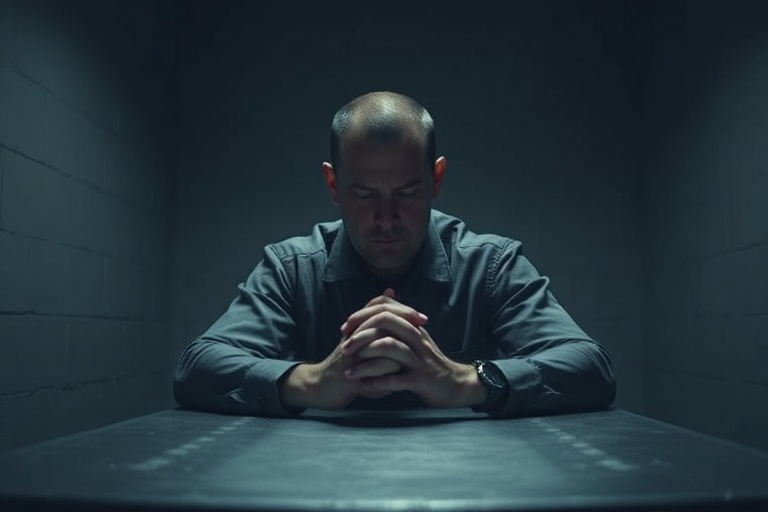
The Case That Shocked America
The disappearance of Shannan Watts and her two young daughters in August 2018 sent shockwaves through the United States and beyond. What began as a missing persons case quickly unraveled into one of the most chilling murder investigations in recent American history. The man at the center of the case, Chris Watts—a seemingly ordinary oil field worker—became the prime suspect after inconsistencies in his statements emerged.
The case took a dramatic turn when Watts led police to the shallow graves where his wife and children were buried. The discovery revealed a crime that was both methodical and brutal. Watts’ eventual confession to strangling Shannan in a rage after she threatened to take their daughters and leave him marked the end of one of the most closely watched criminal investigations in the country.
The Global Fascination with True Crime
The Chris Watts case did not remain confined to the United States. It became a cultural touchstone in the global true crime community, sparking discussions about domestic violence, coercive control, and the facade of normalcy in suburban life. The case highlighted how true crime has evolved from a niche interest into a worldwide phenomenon, with documentaries, podcasts, and amateur sleuths dissecting every detail.
International media outlets covered the case extensively, often framing it within broader conversations about gender dynamics and societal expectations. The Watts case joined a long list of high-profile crimes that have transcended borders, much like the JonBenét Ramsey case or the Amanda Knox trial. What set Watts apart, however, was the way his actions defied the typical narrative of a violent criminal. He was not a stranger lurking in the shadows; he was a husband and father whose crime exposed the dark underbelly of domestic life.
Media and Public Perception
The media’s portrayal of Chris Watts played a significant role in shaping public perception. Early reports often humanized him, focusing on his tearful press conferences and pleas for his family’s safe return. This narrative shifted dramatically as evidence mounted, revealing a calculated killer who had meticulously planned the disposal of his victims’ bodies.
The case also sparked debates about media ethics, particularly regarding the coverage of victims’ families. Shannan Watts’ parents, Frank and Cindy Rzucek, became vocal advocates for victims’ rights, using their platform to criticize the sensationalism that often surrounds such cases. Their efforts led to changes in how some news outlets approach true crime reporting, emphasizing sensitivity over shock value.
Internationally, the Watts case was often discussed in the context of broader issues, such as the rise of true crime content on platforms like Netflix and YouTube. The case became a case study in how true crime can both educate the public and exploit tragedy. The global audience’s insatiable appetite for such stories has led to a proliferation of documentaries, including Netflix’s American Murder: The Family Next Door, which offered a harrowing recount of the events through police tapes and interviews.
The Aftermath and Legal Consequences
Chris Watts pleaded guilty to three counts of first-degree murder and one count of murder after deliberation in November 2018. He received three consecutive life sentences without the possibility of parole, ensuring he would spend the rest of his life behind bars. The plea deal spared the victims’ families from enduring a lengthy trial, but it did little to ease their grief.
The legal proceedings also raised questions about the effectiveness of domestic violence prevention programs and the red flags that often go unnoticed in such cases. Shannan Watts had reportedly confided in friends about her husband’s controlling behavior, yet few intervened before it was too late. The case underscored the importance of recognizing the signs of coercive control, a form of abuse that is increasingly recognized in legal systems worldwide.
Watts’ case also highlighted the role of technology in modern investigations. Police used cellphone data, utility records, and surveillance footage to piece together the timeline of the murders. This reliance on digital evidence has become a hallmark of contemporary criminal investigations, offering both opportunities and challenges for law enforcement.
Lessons from the Watts Case
The Chris Watts case left a lasting impact on multiple levels. For law enforcement, it reinforced the need for thorough and unbiased investigations, even when the suspect appears cooperative. For the media, it served as a reminder of the responsibility that comes with reporting on tragedy. And for the public, it was a stark reminder that evil can wear the mask of normalcy.
The case also sparked conversations about the psychological profiles of killers like Watts. Experts noted that his actions did not fit the typical mold of a serial killer or a crime of passion. Instead, Watts’ crime appeared to be the result of a calculated effort to maintain control, a motive that resonated with many who study domestic violence.
The Role of Social Media in True Crime
Social media played a pivotal role in the Watts case, both in spreading information and fueling speculation. Platforms like Reddit and Facebook became virtual crime scenes, where armchair detectives dissected every clue, from Watts’ body language in press conferences to the layout of his home. While some contributions were helpful, others spread misinformation, complicating the investigation.
The case also highlighted the ethical dilemmas of true crime communities online. Some creators monetized the tragedy by producing content that sensationalized the victims’ deaths, while others used the platform to advocate for victims’ rights. The Watts case became a microcosm of the broader debates about the responsibilities of true crime content creators.
Internationally, the case also influenced how true crime is consumed. In countries where such crimes are less common, the Watts case was often used as a cautionary tale about the dangers lurking in seemingly safe communities. In the UK, for example, the case was frequently cited in discussions about domestic abuse and coercive control laws, which were strengthened in the years following Watts’ conviction.
A Lasting Legacy
More than five years after the murders, the Chris Watts case continues to captivate audiences worldwide. It remains a cautionary tale about the dangers of unchecked control and the fragility of trust. The case also serves as a reminder of the power of true crime to educate, entertain, and horrify in equal measure.
For the victims’ families, the pain of losing Shannan and their daughters, Bella and Celeste, will never fade. Their story, however, has sparked meaningful change. Advocacy groups have used the Watts case to push for stronger domestic violence laws, and the media has become more cautious in its portrayal of victims and perpetrators alike.
Ultimately, the Chris Watts case is more than just a crime story. It is a reflection of the societal issues that continue to plague communities around the world—issues that demand attention, empathy, and action.