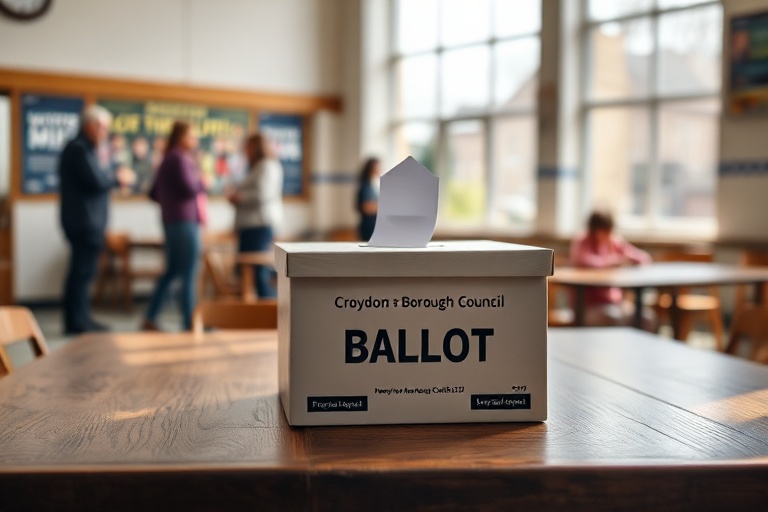
The Croydon Council elections in 2026 are shaping up to be one of the most consequential local political events in South London in recent years. With boundary changes, shifting voter demographics, and renewed scrutiny of local governance, the stakes are high for all parties involved. The election will determine control of Croydon Council, which has faced financial challenges in recent years, including a Section 114 notice in 2022 highlighting severe budgetary pressures.
The 2026 ballot will also serve as a bellwether for broader political trends in London and the UK. As the Labour Party seeks to solidify its dominance in the capital, the Conservative Party will aim to regain ground lost in previous elections. Meanwhile, smaller parties like the Liberal Democrats and Greens are positioning themselves as viable alternatives, particularly in wards where dissatisfaction with mainstream politics is palpable.
The Political Landscape in Croydon
Croydon has historically been a Labour stronghold, but recent years have seen a gradual erosion of that dominance. The 2022 local elections saw Labour lose several key seats to the Conservatives, a trend that could continue in 2026 if current polling trends hold. The council’s financial troubles have also become a central issue, with residents increasingly frustrated by cuts to essential services and the council’s controversial decision to issue a Section 114 notice.
Labour’s strategy in Croydon has focused on stabilising the council’s finances while addressing public concerns over housing, transport, and community safety. The party has promised to invest in local infrastructure and support small businesses, areas where it believes it can win back public trust. Meanwhile, the Conservatives are campaigning on a platform of fiscal responsibility and economic growth, arguing that Labour’s mismanagement has left Croydon in a precarious financial position.
Smaller parties are also making their presence felt. The Liberal Democrats, traditionally strong in parts of South London, are targeting wards with high concentrations of younger voters and professionals. The Greens, meanwhile, are focusing on environmental issues and housing affordability, areas where they believe they can appeal to disillusioned Labour and Conservative voters alike.
Key Wards to Watch
Several wards in Croydon are expected to be pivotal in determining the outcome of the 2026 elections. These include:
- Sanderstead: A traditionally Conservative stronghold where the party will be looking to hold off challenges from Labour and the Liberal Democrats.
- Broad Green: A diverse and densely populated ward where Labour has struggled to maintain its majority in recent years.
- Waddon: A swing ward with a mix of council estates and affluent neighbourhoods, making it a key battleground for all parties.
- New Addington: A ward with a high proportion of young families, where Labour’s promises of improved local services could resonate strongly.
These wards are likely to see intense campaigning from all parties, with local issues such as transport links, school funding, and community safety taking centre stage.
Local Issues Dominating the Campaign
The 2026 Croydon Council elections are being fought over a range of local issues that reflect the concerns of residents. Among the most prominent are:
Financial Stability and Council Services
The council’s financial crisis has been a defining issue in Croydon politics for years. The Section 114 notice issued in 2022 was a stark reminder of the council’s struggles to balance its budget, leading to cuts in services such as libraries, youth clubs, and road maintenance. Residents are demanding greater transparency and accountability from their elected representatives, with many questioning whether Labour can deliver the stability it promises.
Housing and Affordability
Croydon’s housing crisis shows no signs of abating, with rising rents and a shortage of affordable homes driving discontent. The council’s planning policies have come under fire, with critics arguing that too much development is focused on luxury flats rather than genuinely affordable housing. The Greens and Liberal Democrats have seized on this issue, proposing radical reforms to address the housing shortage.
Transport and Infrastructure
Transport remains a critical issue for Croydon residents, particularly in areas poorly served by public transport. The proposed extension of the Bakerloo line to Lewisham has raised hopes of improved connectivity, but progress has been slow. Meanwhile, potholes, unreliable bus services, and concerns over air quality continue to frustrate locals. All parties are promising investment in transport infrastructure, but voters will be looking for concrete plans rather than vague commitments.
Community Safety and Policing
Crime and community safety have become increasingly pressing concerns in Croydon, particularly in areas like Broad Green and Thornton Heath. While overall crime rates have fluctuated in recent years, residents remain concerned about anti-social behaviour, drug-related crime, and the effectiveness of local policing. The Conservatives have made crime a central plank of their campaign, while Labour has focused on community policing initiatives and youth engagement programmes.
What’s at Stake for Croydon
The outcome of the 2026 Croydon Council elections will have far-reaching implications for the borough. Control of the council will determine how financial resources are allocated, which services are prioritised, and how the council engages with residents. Beyond the immediate political consequences, the election will also serve as a test of public confidence in local governance at a time when local authorities across the UK are facing unprecedented challenges.
For Labour, retaining control of Croydon Council is essential to demonstrating its ability to manage complex urban environments. A loss could embolden opposition parties ahead of the next general election and signal a broader shift in London’s political landscape. For the Conservatives, regaining control would be a significant morale boost and a sign that their message of fiscal responsibility is resonating with voters. Meanwhile, smaller parties like the Liberal Democrats and Greens will be hoping to capitalise on public dissatisfaction with the two main parties to win a foothold on the council.
The election will also provide insight into the priorities of Croydon’s diverse communities. With a significant proportion of the borough’s population from Black, Asian, and minority ethnic backgrounds, candidates from diverse backgrounds are campaigning on platforms that address issues such as racial equity, access to education, and employment opportunities. How these issues are addressed in the lead-up to the election could shape the council’s policies for years to come.
Looking Ahead to the 2026 Elections
The road to the 2026 Croydon Council elections promises to be a turbulent one. With boundary changes, shifting voter loyalties, and a host of local issues dominating the agenda, the campaign is likely to be fiercely contested. For residents, the election offers an opportunity to hold their representatives to account and demand better governance. For the parties, it’s a chance to redefine their relationship with one of London’s most dynamic boroughs.
As the campaign heats up, all eyes will be on Croydon to see whether Labour can hold onto power, whether the Conservatives can make a comeback, or whether smaller parties can break through. One thing is certain: the 2026 elections will be a defining moment for Croydon and its future.
For more on local political dynamics, explore our Politics and News sections for deeper analysis and updates on the election as it unfolds.