The Duke and Duchess of Westminster: A Legacy of Aristocracy and Modern Influence
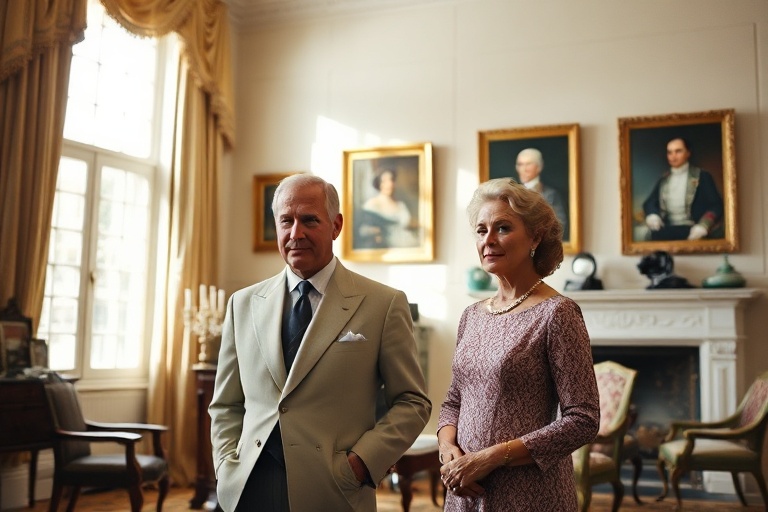
The Duke and Duchess of Westminster represent one of Britain’s most enduring aristocratic dynasties, a family whose wealth and social standing have shaped not only local communities but also national and international conversations about heritage, power, and modernity. Their title, dating back to 1874, carries with it centuries of history, land ownership, and cultural significance that extends far beyond the borders of the United Kingdom. In an era where traditional hierarchies are constantly scrutinized, the current Duke and Duchess navigate the complexities of preserving legacy while embracing contemporary values.
Hugh Grosvenor, the 7th Duke of Westminster, inherited the title in 2016 following the death of his father. At just 25 years old, he became one of the wealthiest individuals in the country, with an estimated fortune tied to vast property holdings, rural estates, and investments across London and beyond. His wife, Olivia, now Duchess of Westminster, has become a prominent figure in her own right, championing causes related to sustainability, education, and social justice. Together, they embody a rare blend of old-world prestige and forward-thinking philanthropy.
The Grosvenor Family Dynasty: From Land to Legacy
The Grosvenor family’s rise to prominence began in the 17th century when Sir Thomas Grosvenor married Mary Davies, heiress to the Manor of Ebury in London. This strategic union laid the foundation for what would become one of the most valuable land portfolios in the world. By the 19th century, the family had expanded its influence through strategic urban development, shaping neighborhoods like Belgravia and Mayfair into symbols of aristocratic elegance and exclusivity.
The title of Duke of Westminster was created in 1874 for Hugh Grosvenor, 3rd Marquess of Westminster, in recognition of his family’s immense contributions to the Crown and society. The dukedom has since passed through generations, each heir adapting to the changing tides of history while maintaining the family’s core values of stewardship and philanthropy. Today, the Grosvenors manage over 300 acres of prime real estate in London, along with vast rural estates in Cheshire and Scotland, making them one of the largest private landowners in the world.
The current duke’s leadership has seen a shift toward sustainable development and community engagement. In 2020, Grosvenor Britain & Ireland, the family’s property arm, committed to achieving net-zero carbon emissions by 2030. This move reflects a broader trend among aristocratic families to align their legacy with environmental responsibility—a response to both regulatory pressures and public expectations.
Modern Nobility: Balancing Tradition and Progress
The role of the modern aristocrat is no longer confined to ceremonial duties or inherited wealth. The Duke and Duchess of Westminster have actively redefined what it means to hold such a title in the 21st century. Olivia, Duchess of Westminster, has been particularly vocal about social issues, using her platform to advocate for women’s rights, mental health awareness, and sustainable farming practices. Her involvement with organizations like the Soil Association and the Royal Agricultural Society underscores a commitment to rural revitalization and ethical land management.
Hugh Grosvenor, while less publicly visible than his wife, has also made strides in modernizing the family’s business interests. Under his leadership, Grosvenor has diversified its portfolio to include renewable energy projects, affordable housing initiatives, and cultural partnerships. The family’s investment in the arts, including support for the London Symphony Orchestra and the Tate galleries, further cements their role as patrons of both tradition and innovation.
Yet, this evolution has not been without controversy. Critics argue that aristocratic wealth remains an anachronism in an era of increasing inequality. The Grosvenors’ vast landholdings, for instance, have sparked debates about housing affordability in London, where their properties contribute to some of the highest real estate prices in the world. The family has responded by pledging to build more affordable housing on their land and exploring community land trusts—models that prioritize public benefit over profit.
A Global Perspective: Aristocracy in the 21st Century
The story of the Duke and Duchess of Westminster is not just a British tale but a global one. Across Europe, Asia, and the Middle East, aristocratic families are grappling with similar challenges: how to preserve wealth and influence in an increasingly democratic world. In Japan, the imperial family faces pressures to modernize while maintaining centuries-old traditions. In India, former royal families have transitioned into business empires and political roles. The Grosvenors’ experience offers a case study in how one of the world’s oldest aristocracies is adapting to a rapidly changing world.
One notable aspect of their global influence is their involvement in international philanthropy. The Grosvenor Estate has funded projects in education and poverty alleviation in Africa and Asia, often in partnership with organizations like the UNICEF. These efforts highlight a broader trend among wealthy dynasties to use their resources for global good, a shift from the colonial-era philanthropy that often prioritized Western interests.
Their approach also reflects a growing recognition that legacy is not merely about preserving the past but actively shaping the future. By investing in green technology, affordable housing, and cultural preservation, the Duke and Duchess are positioning themselves as leaders in sustainable aristocracy—a model that could redefine nobility for generations to come.
Conclusion: A Legacy in Motion
The Duke and Duchess of Westminster stand at a crossroads of tradition and transformation. Their story is one of resilience, adaptation, and quiet rebellion against the stereotype of the out-of-touch aristocrat. While their wealth and title open doors that remain closed to most, their choices—whether in sustainable development, social advocacy, or cultural patronage—demonstrate a willingness to evolve.
In an age where titles often carry less weight than they once did, the Grosvenors remind us that legacy is not static. It is something that must be nurtured, questioned, and reimagined. Whether through their property developments, charitable work, or personal commitments, they are writing a new chapter for one of Britain’s most storied families—one that future generations will look back on as a model of modern nobility.
Their journey is far from over, but it is already a testament to the enduring, if evolving, power of aristocracy in a rapidly changing world.