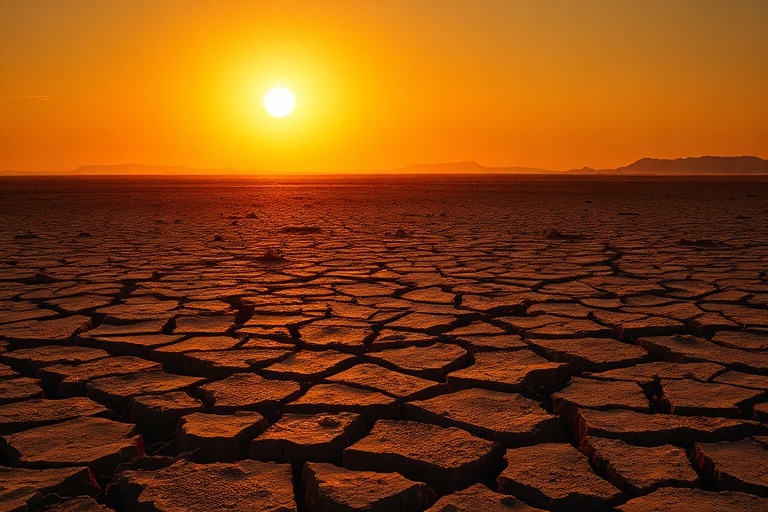
Extreme Heat Watch Explained: Risks, Safety Tips, and Future Impact
The National Weather Service’s Extreme Heat Watch has been issued for several regions this summer, a warning that arrives with increasing frequency as climate patterns shift. These watches typically precede dangerous heat events, often covering large geographic areas during peak summer months. Unlike heat advisories, which alert the public to imminent risks, watches signal the potential for extreme conditions within the next 24 to 72 hours. Understanding the criteria and implications behind these alerts is crucial for individuals, communities, and workplaces alike.
What Triggers an Extreme Heat Watch?
Extreme Heat Watches are not issued lightly. The National Weather Service activates them when there is a high probability of dangerous heat conditions meeting specific thresholds over a sustained period. These thresholds vary by region but generally include daytime temperatures expected to reach at least 105°F (40.5°C) or nighttime lows failing to drop below 75°F (24°C) for two or more consecutive nights. Humidity levels, often measured by the heat index—a combination of temperature and moisture—play a critical role in determining risk. Areas unaccustomed to prolonged heat, such as the Pacific Northwest, may see watches issued at lower temperatures due to lack of regional acclimatization.
The decision to issue a watch involves more than just temperature projections. Forecasters analyze atmospheric patterns, including high-pressure systems that trap heat, urban heat island effects in metropolitan areas, and soil moisture levels that can exacerbate or mitigate heat stress. These watches serve as an early warning system, giving local governments and emergency services time to prepare shelters, adjust public transportation schedules, and disseminate safety information.
Regional Impact: Who Is Most Affected?
While extreme heat poses universal risks, certain populations and regions face disproportionate challenges. Urban centers, with their dense infrastructure and concrete landscapes, often experience temperatures several degrees higher than surrounding rural areas. This phenomenon, known as the urban heat island effect, amplifies the dangers of extreme heat, particularly for vulnerable groups such as the elderly, children, and those with pre-existing health conditions.
The Southwest United States, including Arizona, Nevada, and Southern California, frequently falls under Extreme Heat Watches during summer months. These regions have adapted infrastructure to manage high temperatures, yet heat-related illnesses and fatalities remain a persistent concern. In contrast, areas like the Midwest and Northeast—where extreme heat is less common—often see higher rates of heat-related hospitalizations when such watches are issued due to lack of preparedness.
Rural communities face their own set of challenges. Agricultural workers, who labor outdoors during peak heat, are particularly susceptible to heat exhaustion and dehydration. Limited access to cooling centers and medical facilities in rural areas can delay critical care, making early warnings like Extreme Heat Watches vital for survival. Emergency services in these regions often coordinate with local farms to ensure workers have access to shade, water, and rest breaks during extreme heat events.
Safety Measures: How to Prepare and Respond
When an Extreme Heat Watch is issued, taking proactive steps can significantly reduce health risks. The most effective strategy is to plan ahead, especially during the watch phase before conditions escalate. Residents should identify nearby cooling centers, such as libraries, community centers, or shopping malls, and verify their operating hours. Stocking up on supplies like electrolyte drinks, non-perishable foods, and battery-powered fans can also mitigate risks during power outages, which are common during heat waves due to increased energy demand.
For those who must work or exercise outdoors, adjusting schedules to avoid peak heat hours—typically between 10 a.m. and 4 p.m.—is essential. Lightweight, loose-fitting clothing and wide-brimmed hats can help regulate body temperature, while sunscreen with a high SPF prevents sunburn, which reduces the body’s ability to cool itself. Hydration is critical, but water alone may not be enough. Consuming foods with high water content, such as fruits and vegetables, or using electrolyte supplements can help maintain fluid balance, particularly for individuals taking medications that affect hydration levels.
Pets and livestock also require special attention during extreme heat. Ensuring they have access to shade and fresh water is non-negotiable. For those with pets that spend time outdoors, consider limiting exercise to early morning or late evening hours and avoiding hot pavement, which can cause severe burns to paw pads. Livestock owners should monitor animals for signs of heat stress, such as excessive panting or drooling, and provide additional ventilation in barns or enclosures.
Key Actions During an Extreme Heat Watch
- Stay Informed: Monitor local weather updates and heed advice from the National Weather Service or local authorities.
- Prepare Your Home: Close blinds or curtains during the day to block out heat, and use fans to circulate air. If possible, install reflective window film or use blackout curtains.
- Check on Vulnerable Individuals: Reach out to elderly neighbors, young children, or those with chronic illnesses to ensure they have access to cooling resources.
- Limit Outdoor Activities: Postpone strenuous activities until temperatures drop. If outdoor work is unavoidable, take frequent breaks in shaded or air-conditioned areas.
- Know the Signs of Heat Illness: Symptoms include dizziness, nausea, rapid pulse, or confusion. Seek medical attention immediately if these signs appear.
The Broader Implications of Extreme Heat
The issuance of an Extreme Heat Watch is more than a weather alert—it’s a harbinger of broader environmental and societal challenges. Rising global temperatures, driven by climate change, have increased both the frequency and intensity of heat waves worldwide. According to the Environmental Protection Agency, the average number of heat waves in major U.S. cities has tripled since the 1960s. This trend underscores the urgent need for adaptive strategies at both the individual and systemic levels.
Economically, extreme heat disrupts productivity across multiple sectors. Outdoor laborers face heightened health risks, leading to increased absenteeism and worker compensation claims. Agricultural output can decline due to heat stress on crops, while energy grids strain under the demand for air conditioning, sometimes resulting in blackouts. The economic toll extends to healthcare systems as well, with hospitals reporting surges in heat-related illnesses during extreme events. In 2021, the Pacific Northwest heat wave led to an estimated $8.9 billion in damages, including agricultural losses and infrastructure strain.
Environmental consequences are equally concerning. Prolonged heat accelerates drought conditions, which in turn increase the risk of wildfires. Vegetation becomes tinder-dry, and even a small spark can ignite catastrophic blazes. In 2020, California experienced its worst wildfire season on record, with over 4.3 million acres burned—a disaster exacerbated by extreme heat and dry conditions. The interplay between heat waves and wildfires creates a feedback loop, where each event intensifies the other, further straining emergency response resources.
Urban planning must evolve to address these challenges. Cities like Phoenix and Los Angeles have begun implementing “cool roofs,” which reflect sunlight rather than absorbing it, and expanding green spaces to provide natural cooling. Innovative solutions, such as heat-resilient building materials and underground cooling systems, are also gaining traction. These adaptations are critical for mitigating the urban heat island effect and protecting residents in densely populated areas.
Looking Ahead: The Future of Heat Preparedness
As climate change continues to reshape weather patterns, the role of Extreme Heat Watches will likely expand. Communities that previously experienced mild summers may soon face conditions warranting such alerts, necessitating a shift in public awareness and infrastructure. Investing in early warning systems, such as heat-health action plans, can save lives by providing targeted guidance to at-risk populations. Countries like France, which implemented such plans after the deadly 2003 heat wave that claimed 15,000 lives, have since reduced heat-related fatalities by over 50%.
Technology will also play a pivotal role in heat preparedness. Advances in weather modeling and AI-driven forecasting can improve the accuracy and timeliness of heat alerts. Wearable devices that monitor vital signs and alert users to dangerous heat exposure are becoming more accessible, offering real-time data to individuals and healthcare providers. These innovations, combined with community-based initiatives, can create a more resilient framework for coping with extreme heat.
Ultimately, addressing the challenges posed by extreme heat requires a multifaceted approach. While Extreme Heat Watches serve as a critical first line of defense, long-term solutions demand collaboration between governments, businesses, and individuals. From reducing carbon emissions to redesigning urban landscapes, every action contributes to a more sustainable and heat-resilient future. By prioritizing preparedness and adaptation, communities can turn the threat of extreme heat into an opportunity for innovation and collective care.
For more insights on weather preparedness and safety, explore our News and Health sections. Stay informed, stay safe, and take action before the heat arrives.