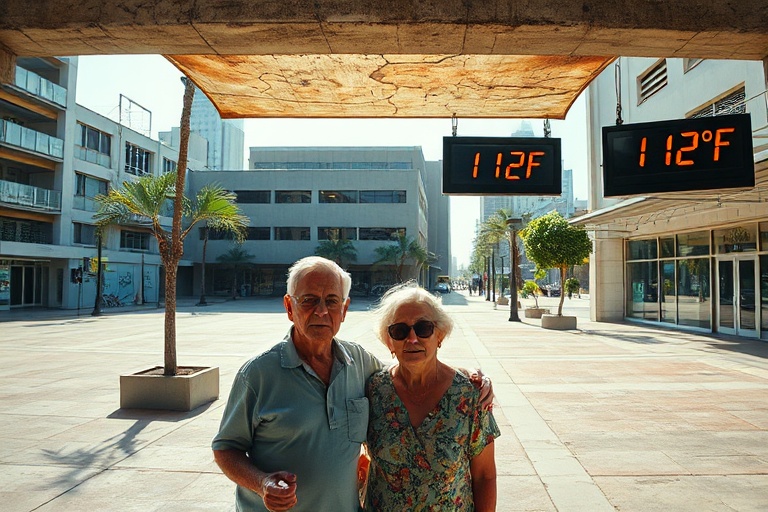
Extreme Heat Watch: What It Means and How to Prepare
The National Weather Service has issued an Extreme Heat Watch for large portions of the country this week, signaling a potentially dangerous period ahead. With temperatures projected to soar well above 100°F in some regions, the alert underscores the growing urgency of climate-related weather events. This isn’t just another summer heatwave—it’s a reminder of how quickly extreme weather can escalate into a public health crisis.
Across the Southwest, Central Plains, and even parts of the Midwest, meteorologists warn that heat indices could push into the triple digits for multiple days. For communities unaccustomed to such prolonged exposure, the risks are severe. Emergency rooms often see a surge in heat-related illnesses during these periods, from dehydration to life-threatening heatstroke. The timing of this watch—mid-to-late summer—means many people are already fatigued from earlier heat events, compounding the strain on both bodies and infrastructure.
What an Extreme Heat Watch Actually Means
An Extreme Heat Watch is issued when conditions are favorable for dangerously high temperatures within the next 24 to 72 hours. Unlike a Heat Advisory, which indicates imminent danger, a watch serves as an early warning. The National Weather Service uses specific criteria to determine when to escalate alerts, including:
- Temperature thresholds: Typically, watches are triggered when daytime highs are expected to reach at least 10°F above normal for a region, with nighttime lows failing to provide relief.
- Duration: Sustained extreme heat over multiple days increases the risk of heat-related illnesses.
- Humidity levels: High humidity makes it harder for the body to cool itself through sweating, exacerbating the danger.
- Vulnerable populations: Areas with elderly residents, children, or those without reliable air conditioning are prioritized for alerts.
This watch system evolved after deadly heat events, such as the 1995 Chicago heatwave, which claimed over 700 lives. The tragedy revealed how quickly extreme heat could overwhelm urban systems, particularly in neighborhoods with limited green spaces or cooling centers. Today, the NWS works closely with local health departments to refine these alerts, ensuring they account for socioeconomic factors that influence vulnerability.
The Broader Impact: Beyond the Thermometer
Extreme heat doesn’t just affect individuals—it disrupts entire systems. Electrical grids strain under increased demand for air conditioning, leading to rolling blackouts in some areas. Transportation infrastructure also suffers; asphalt softens, rail tracks can buckle, and flights may be delayed as planes struggle to generate lift in thinner, hotter air. For outdoor workers, the risks are immediate. Construction sites, farms, and delivery services often grind to a halt when heat indices exceed safe working levels, creating economic ripple effects.
The agricultural sector faces unique challenges. Crops like corn and soybeans are particularly sensitive to heat stress, which can reduce yields by up to 30% during extreme events. Livestock farmers report higher mortality rates in heatwaves, as animals housed in crowded conditions overheat quickly. These disruptions contribute to rising food prices, further straining household budgets already stretched by higher energy costs.
Climate change is amplifying these patterns. A 2023 study by the First Street Foundation found that the number of Americans exposed to extreme heat each year has doubled since 1980. By 2050, the study projects that one-third of the country will experience at least one day per year with a heat index above 125°F—conditions that are currently rare even in the hottest regions. The Extreme Heat Watch system is one tool in adapting to this new reality, but it’s clear that long-term solutions, like urban cooling infrastructure and heat-resilient building codes, are urgently needed.
How to Prepare for Extreme Heat
When an Extreme Heat Watch is issued, preparation can mean the difference between safety and danger. Start by identifying your personal risk factors. Children, adults over 65, and those with chronic illnesses are most vulnerable. Pets also require extra care, as they can suffer heatstroke quickly. Here are key steps to take:
- Stay informed: Monitor local weather updates and heed advice from emergency management agencies. Sign up for community alert systems if available.
- Modify your environment: Close blinds during the day, use fans strategically, and consider temporary window reflectors made from cardboard or aluminum foil. If you lack air conditioning, spend time in public cooling centers or shaded outdoor spaces.
- Adjust your schedule: Avoid outdoor activities during peak heat hours (typically 10 a.m. to 6 p.m.). If you must work outside, take frequent breaks in the shade and drink water every 15–20 minutes.
- Check on others: Heat-related illnesses often strike when people are isolated. Reach out to neighbors, especially elderly or disabled individuals, to ensure they have access to cool spaces and supplies.
- Prepare an emergency kit: Include water, electrolyte drinks, non-perishable food, a battery-powered fan, and a first-aid kit with instant cold packs. Don’t forget supplies for pets.
Hydration is critical, but not all fluids are equal. Water is essential, but during extreme heat, electrolytes help maintain balance. Avoid caffeine and alcohol, which dehydrate the body. Lightweight, loose-fitting clothing in light colors reflects sunlight, while wide-brimmed hats and UV-protective sunglasses offer additional defense. If you notice signs of heat exhaustion—dizziness, nausea, rapid pulse—or heatstroke, which includes confusion and loss of consciousness, seek medical help immediately.
Looking Ahead: The Future of Heat Preparedness
As extreme heat events become more frequent, communities are rethinking their response strategies. Cities like Phoenix and Los Angeles have invested in “cool pavement” projects, which use reflective coatings on roads to reduce surface temperatures. Others are expanding urban green spaces and planting trees to create natural cooling zones. These adaptations reflect a broader shift toward climate resilience, where preparation is as much about infrastructure as it is about individual behavior.
For policymakers, the challenge lies in balancing immediate relief with long-term planning. Heat action plans—like those adopted by Miami and Philadelphia—combine early warning systems with targeted interventions for vulnerable populations. These plans often include provisions for free public transit to cooling centers, hydration stations, and even temporary shelters for homeless individuals during extreme events.
The Extreme Heat Watch is more than a weather alert; it’s a call to action. It challenges us to recognize that extreme heat is not just a seasonal inconvenience but a systemic issue requiring coordinated effort. Whether through personal preparedness or community-level innovation, addressing this challenge will define how well society adapts to a warming world.
Stay safe, stay informed, and don’t wait until the heat becomes unbearable to take action. The time to prepare is now.
For more on how extreme weather is reshaping daily life, explore our Trending and Health sections for in-depth coverage and expert insights.