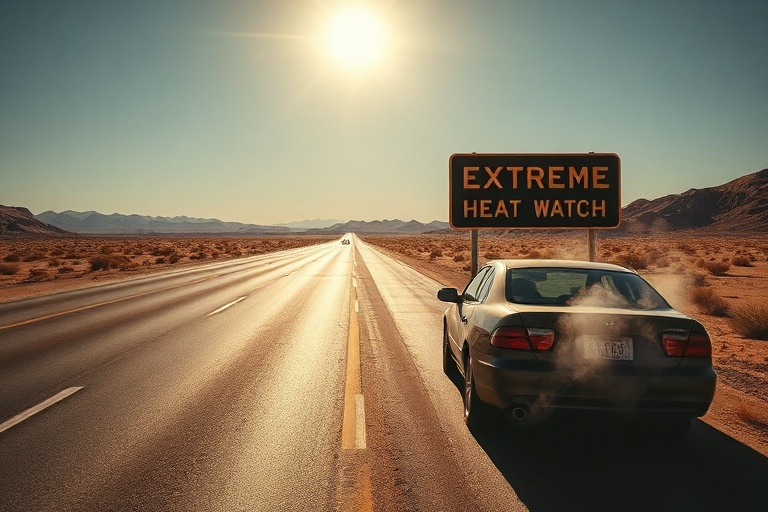
Extreme Heat Watch: What You Need to Know Before the Next Alert
The National Weather Service has issued another extreme heat watch for large portions of the western and central United States. With temperatures projected to soar into the triple digits this week, authorities are urging residents to prepare for dangerous conditions. This isn’t just another summer heatwave—it’s part of a growing trend of prolonged extreme heat events that have become more frequent and intense over the past decade.
As climate patterns shift, these extreme heat watches are no longer isolated incidents. They represent a critical public health challenge that demands attention from individuals, communities, and policymakers alike. Understanding the implications of these alerts—and how to respond—could make the difference between safety and serious harm.
Understanding Extreme Heat Watches and Warnings
Extreme heat watches are issued by the National Weather Service when there’s a potential for dangerously hot conditions within the next 24 to 72 hours. Unlike heat advisories, which cover less severe conditions, a watch signals that life-threatening temperatures are possible. These alerts often cover large geographic areas, from urban centers to rural communities.
There are key distinctions between watches, warnings, and advisories:
- Extreme Heat Watch: Conditions may develop that could pose a threat to life or property. Issued 24 to 72 hours in advance.
- Extreme Heat Warning: Dangerous heat is imminent or already occurring. Action is required immediately.
- Heat Advisory: Less severe but still potentially harmful heat conditions are expected.
For example, a recent extreme heat watch for California’s Central Valley warned of temperatures exceeding 110°F for multiple days. Such conditions can lead to heat exhaustion, heatstroke, and even fatalities, particularly among vulnerable populations like the elderly, children, and those with preexisting health conditions.
The Rising Frequency of Extreme Heat Events
Data from the Environmental Protection Agency (EPA) shows that the number of extreme heat events in the U.S. has increased significantly over the past 20 years. Between 2000 and 2020, the average number of heatwaves per year rose by nearly 50%. This trend aligns with broader climate change projections, which indicate that extreme heat will become more common as global temperatures continue to rise.
In 2023 alone, the U.S. experienced over 300 heat-related deaths, a figure that experts believe is likely underreported. Cities like Phoenix, Arizona, and Las Vegas, Nevada, have seen record-breaking temperatures, with some days exceeding 120°F. These aren’t just isolated incidents—they’re part of a systemic shift in how heat impacts communities.
The consequences extend beyond human health. Extreme heat strains power grids, leading to rolling blackouts as demand for air conditioning surges. Agricultural sectors also face challenges, with crops wilting under relentless sun and livestock suffering from heat stress. The economic toll is staggering, with losses in productivity and healthcare costs running into billions annually.
How to Prepare When an Extreme Heat Watch Is Issued
When an extreme heat watch is activated, preparation is critical. The first step is to stay informed. Sign up for local alerts through the Weather section of Dave’s Locker, and monitor updates from the National Weather Service. Understanding the specific risks in your area—whether it’s urban heat islands or rural dehydration threats—can help tailor your response.
Here’s a checklist of actions to take when a watch is issued:
- Stock Up on Essentials: Ensure you have enough water, non-perishable food, and medications to last at least 72 hours. Avoid alcohol and caffeine, as they can dehydrate you further.
- Prepare Your Home: Close blinds or curtains during the day to block out heat. Use fans strategically, and consider visiting air-conditioned public spaces like libraries or shopping centers if your home lacks cooling.
- Check on Vulnerable Neighbors: Elderly individuals, infants, and those with chronic illnesses are at higher risk. Reach out to neighbors, family, or friends who may need assistance.
- Plan Outdoor Activities Wisely: If you must be outside, schedule activities for early morning or late evening when temperatures are lower. Wear lightweight, light-colored clothing and a wide-brimmed hat.
- Know the Signs of Heat-Related Illness: Symptoms of heat exhaustion include heavy sweating, weakness, dizziness, and nausea. Heatstroke, a medical emergency, can cause confusion, rapid pulse, and even loss of consciousness. Seek help immediately if these occur.
It’s also wise to review your insurance policies. Extreme heat can damage property, from warped floors to failed HVAC systems. Ensuring adequate coverage can mitigate financial stress during recovery.
Long-Term Strategies for Combating Extreme Heat
While immediate precautions are essential during an extreme heat watch, long-term strategies are equally important. Cities across the U.S. are implementing heat-resilient urban planning to combat rising temperatures. For instance, Phoenix has launched a “Cool Pavement” program, which applies reflective coatings to roads to reduce heat absorption. Los Angeles has expanded its tree-planting initiatives to create more shade in residential areas.
At the individual level, small changes can make a difference. Installing reflective window film, planting drought-resistant greenery, or even painting roofs white can lower indoor temperatures by several degrees. These adaptations not only improve comfort but also reduce energy consumption, lowering utility bills and carbon footprints.
Community efforts are also gaining traction. Heat response plans, such as cooling centers and public education campaigns, are becoming standard in many municipalities. For example, Miami-Dade County now operates a Heat Relief Network that provides free water and sunscreen to residents during extreme heat events. Such programs highlight the power of collective action in addressing climate-related challenges.
“Extreme heat is one of the most underrated climate risks we face today. It doesn’t make headlines like hurricanes or wildfires, but it kills more people annually than any other weather-related hazard.” — Dr. Kristie Ebi, Professor of Global Health at the University of Washington
Looking Ahead: The Future of Extreme Heat Preparedness
The increasing frequency of extreme heat watches suggests that this issue will only grow in urgency. By 2050, climate models predict that large portions of the U.S. could experience 30 or more days per year with temperatures above 90°F. This shift will require a fundamental rethinking of how we design cities, infrastructure, and public health systems.
Technological innovations may offer some solutions. Smart thermostats, AI-driven weather prediction tools, and early warning systems can help individuals and municipalities respond more effectively. For example, the National Oceanic and Atmospheric Administration (NOAA) is developing hyperlocal heat forecasts that provide real-time data to communities at risk.
However, technology alone won’t solve the problem. Policy changes are critical. Investing in green infrastructure, expanding access to cooling centers, and enforcing heat safety regulations in workplaces are just a few steps that can save lives. The Biden administration’s recent $5 billion investment in climate resilience programs is a step in the right direction, but more needs to be done at the local and state levels.
As extreme heat becomes a defining feature of 21st-century life, awareness and preparation will be our best defenses. Whether it’s checking the latest Health updates on Dave’s Locker or advocating for community-wide heat action plans, every action counts. The time to act is now—before the next extreme heat watch becomes a life-threatening reality.
Stay safe, stay informed, and prioritize resilience in the face of a warming world.