FC Cajamarca vs Sporting Cristal: Peru’s Football Rivalry Explained
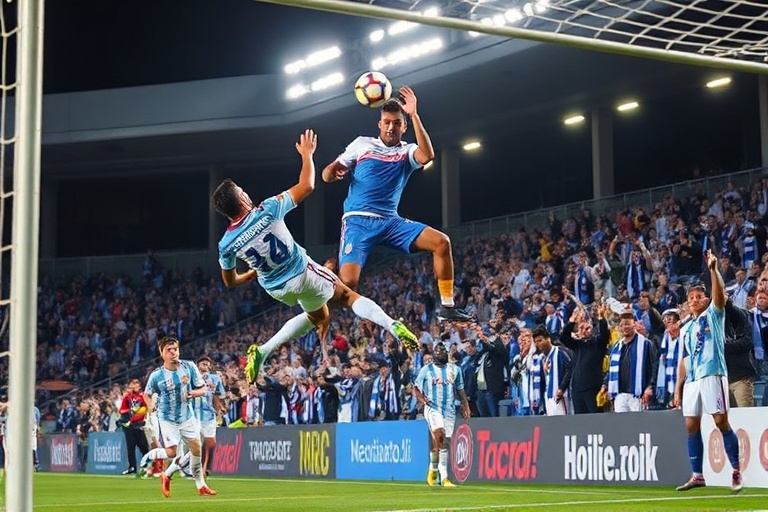
The clash between FC Cajamarca and Sporting Cristal is more than just a football match—it’s a cultural spectacle that unites and divides fans across Peru. Set in the high-altitude backdrop of Cajamarca or the bustling streets of Lima, these encounters carry weight far beyond the pitch. For decades, this fixture has been a battleground where ambition meets tradition, where underdogs challenge giants, and where the soul of Peruvian football is often on display.
Football in Peru is deeply woven into the nation’s identity. It reflects regional pride, economic disparities, and the unrelenting passion of its supporters. While clubs like Sporting Cristal dominate the headlines with their polished style and trophy-laden history, FC Cajamarca represents the rugged persistence of smaller clubs fighting for relevance. Their matches are not just sporting events; they are social narratives played out in stadiums filled with hope, frustration, and unshakable loyalty.
A Tale of Two Clubs: History and Identity
Sporting Cristal, founded in 1955 in the heart of Lima, has long been synonymous with success in Peruvian football. With over 20 league titles and a reputation for developing world-class talent, the club embodies consistency and prestige. Its blue and white stripes are instantly recognizable, and its fanbase stretches from affluent neighborhoods to working-class districts. Cristal’s philosophy revolves around youth development, tactical discipline, and a brand of football that often resembles European models. This approach has earned it global attention, particularly in South American tournaments like the Copa Libertadores.
FC Cajamarca, by contrast, was established in 1964 in the northern city of Cajamarca, a region known for its agricultural heritage and Andean culture. The club’s journey has been one of perseverance. While it has never claimed the national title, Cajamarca has carved a niche as a team that refuses to stay in the shadows. Its style of play is raw, physical, and unpredictable—reflecting the terrain and spirit of its home region. The club’s fanbase, though smaller, is fiercely devoted, turning matches into vibrant cultural festivals with traditional music and dances.
The contrast between the two clubs extends beyond trophies. Sporting Cristal is often seen as the establishment, a club backed by corporate resources and a polished image. FC Cajamarca, on the other hand, symbolizes the underdog spirit, a team that survives on grit, local support, and the occasional moment of brilliance. This dynamic adds emotional depth to their encounters, making every match a story of aspiration versus reality.
Key Moments in the Rivalry
Over the years, FC Cajamarca and Sporting Cristal have produced memorable moments that linger in Peruvian football lore. While Cristal often enters matches as the favorite, Cajamarca has delivered surprises that keep the rivalry unpredictable.
- 2010 Copa Inca Final: One of the earliest high-profile meetings ended in a dramatic 3-2 victory for Sporting Cristal, with a late winner sealing the title. The match showcased Cristal’s attacking prowess but also highlighted Cajamarca’s resilience.
- 2017 League Encounter: In a tightly contested game played at high altitude in Cajamarca, FC Cajamarca stunned Sporting Cristal with a 2-1 win. The victory was celebrated as a David vs. Goliath moment in Peruvian football.
- 2022 Copa Libertadores: Both teams met in South America’s premier club competition. Sporting Cristal advanced, but not without Cajamarca pushing them to the limit in a 1-1 draw in Lima and a narrow 2-1 loss in Cajamarca.
These moments underscore a pattern: Cristal usually prevails in the long run, but Cajamarca consistently forces them to earn every point. The rivalry has become a litmus test for Cristal’s adaptability and Cajamarca’s ability to disrupt expectations.
The Cultural Significance of the Fixture
Football in Peru is not just a sport—it’s a mirror of society. The FC Cajamarca vs. Sporting Cristal matchup encapsulates this perfectly. Sporting Cristal’s success reflects Lima’s dominance in Peruvian life, where economic and political power is concentrated. FC Cajamarca, meanwhile, represents the provinces—regions rich in culture and history but often marginalized in national discourse.
When these two teams meet, the stadium becomes a microcosm of Peru. Lima’s elite rub shoulders with Cajamarca’s rural migrants, all united by a shared love of football. Songs, chants, and even food reflect this fusion. In Lima, Cristal fans might gather in upscale bars, while in Cajamarca, supporters paint the town blue and white in solidarity. The rivalry transcends sport, becoming a celebration of regional identity.
Globally, Peruvian football struggles for visibility compared to powerhouses like Brazil or Argentina. Yet within Latin America, clubs like Cristal and Cajamarca contribute to the region’s rich tapestry of club football. Their matches offer a glimpse into the diversity of South American football—where passion often outweighs resources, and where every game is a chance to rewrite narratives.
What’s Next for the Rivalry?
As both clubs look to the future, the rivalry shows no signs of fading. Sporting Cristal continues to invest in its academy and infrastructure, aiming to reclaim continental glory. FC Cajamarca, now backed by growing local investment, is pushing for greater consistency in the league, with ambitions to challenge for titles in the coming years.
The evolution of football in Peru—including the rise of new clubs, the influence of international investors, and the increasing role of analytics—will shape how this rivalry develops. One thing remains certain: when FC Cajamarca and Sporting Cristal meet, football fans are treated not just to a game, but to a cultural experience that captures the essence of Peru.
For supporters, the next matchday is always eagerly awaited. Whether in the high Andes or the coastal capital, the clash of styles, the battle of pride, and the shared drama will once again remind the world that Peruvian football is alive, vibrant, and deeply human.