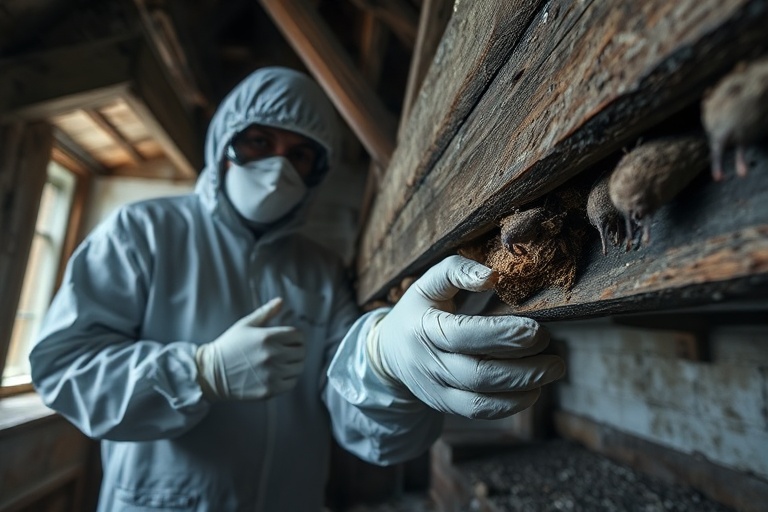
Public Health Alert: Hantavirus Outbreak in Wales Sparks Global Attention
Wales is currently facing an unusual public health challenge after a cluster of hantavirus cases was reported in several regions, including Cardiff and Swansea. While hantavirus infections are rare in the United Kingdom, this recent surge has raised concerns among health authorities and the public alike. The outbreak has prompted swift responses from Public Health Wales and local medical teams, who are working to contain the spread and educate communities about prevention.
Hantavirus is primarily transmitted through contact with infected rodents or their droppings, making it a zoonotic disease—one that jumps from animals to humans. The cases in Wales follow a pattern seen in other parts of the world, where outbreaks often coincide with environmental changes, such as increased rodent activity due to milder winters or urban expansion into natural habitats. Understanding the origins and transmission routes of this virus is critical for preventing future occurrences.
What Is Hantavirus and How Does It Spread?
Hantavirus is a family of viruses that can cause severe respiratory illness in humans, known as Hantavirus Pulmonary Syndrome (HPS). The virus is not new; it was first identified in the early 1990s in the United States following an outbreak in the Four Corners region. Since then, sporadic cases have been reported across North and South America, as well as in Europe and Asia. The strain detected in Wales appears to be Puumala virus, which is typically associated with mild to moderate illness but can still pose serious risks, particularly to vulnerable populations.
Transmission occurs when humans inhale aerosolized particles from rodent urine, feces, or saliva. This can happen in homes, workplaces, or outdoor settings where rodents are present. Common risk factors include:
- Cleaning rodent-infested areas without proper protective gear
- Living in or near buildings with rodent infestations
- Engaging in outdoor activities like camping or farming in regions with high rodent populations
In Wales, health officials have noted that some cases may be linked to increased rodent activity in both urban and rural areas, possibly exacerbated by recent mild weather patterns that favor rodent breeding. While human-to-human transmission is extremely rare, the psychological impact of an outbreak can still lead to widespread anxiety, making public communication and education essential.
A Global Perspective: Hantavirus Beyond Wales
Hantavirus is not confined to the UK. In fact, it has been documented in over 30 countries, with varying degrees of severity. For instance, in Scandinavia, Puumala virus is endemic, and cases are reported annually, particularly during the winter months when rodents seek shelter indoors. Similarly, in South America, the Andes virus has caused outbreaks with higher fatality rates, highlighting the virus’s potential to adapt to different environments and host species.
In the United States, the Centers for Disease Control and Prevention (CDC) reports approximately 20-40 HPS cases each year, primarily in the western and southwestern regions. The virus’s presence in diverse geographical locations underscores the importance of international collaboration in tracking and mitigating its spread. Climate change, urbanization, and global travel all contribute to the evolving dynamics of zoonotic diseases like hantavirus, making vigilance and preparedness critical for public health systems worldwide.
Culturally, hantavirus outbreaks can also influence local behaviors. In regions where the disease is more common, communities often develop informal warning systems and preventive practices, such as storing food securely or using rodent-proof materials in construction. These adaptations reflect a broader theme in global health: the interplay between human activity and environmental factors in shaping disease patterns.
Public Health Response and Community Precautions
Public Health Wales has activated its incident response protocols, deploying teams to affected areas to conduct environmental assessments and provide guidance to residents. Their efforts include distributing educational materials on rodent control, safe cleaning practices, and symptoms to watch for. HPS symptoms typically include fever, muscle aches, and fatigue, which can progress to coughing and shortness of breath as the lungs fill with fluid. Early medical intervention is crucial for improving outcomes.
The response in Wales also highlights the role of healthcare infrastructure in managing emerging threats. Rapid diagnostic testing and clear communication channels between health authorities and the public are vital components of an effective outbreak response. Additionally, collaborations with environmental agencies help address the root causes of rodent infestations, such as waste management and habitat modification.
For individuals, taking precautions is straightforward but often overlooked. Simple measures like wearing gloves and masks when cleaning areas with rodent activity, sealing entry points to homes, and maintaining clean outdoor spaces can significantly reduce risk. Public health campaigns in Wales are emphasizing these steps, aiming to empower communities to take proactive roles in their own safety.
Looking Ahead: Lessons and Preparations
The hantavirus outbreak in Wales serves as a reminder of the ever-present threat of zoonotic diseases in an interconnected world. As human populations expand into natural habitats and climate patterns shift, the likelihood of encountering new or re-emerging infectious diseases increases. This incident provides an opportunity to reflect on broader public health strategies, including surveillance systems, cross-border cooperation, and community engagement.
For now, health officials in Wales continue to monitor the situation closely, urging residents to remain vigilant without succumbing to panic. While the risk of hantavirus remains low compared to other infectious diseases, the outbreak underscores the need for sustained investment in public health infrastructure and preparedness. By learning from this experience, Wales and other regions can better protect their populations from both known and unknown health threats.
As the global community grapples with the complexities of emerging diseases, stories like this one remind us that vigilance, science, and collaboration are our best defenses. The hantavirus outbreak in Wales is not just a local issue; it is a chapter in the ongoing narrative of human health in a changing world.