Hantavirus Risks, Prevention, and Global Health Concerns Explained
Hantavirus is a rare but serious infectious disease that has gained attention over the years due to its potential for severe health consequences. Unlike more commonly discussed viruses, hantavirus is primarily transmitted to humans through contact with infected rodents or their droppings. While cases remain relatively infrequent, the disease’s high mortality rate and the lack of specific treatments make it a significant public health concern. Understanding its transmission, symptoms, and prevention strategies is crucial for minimizing risks, particularly in regions where rodent populations thrive.
The Science Behind Hantavirus: How It Spreads and Affects Humans
Hantavirus belongs to the Bunyaviridae family and is typically divided into two main categories based on the regions where they occur: Old World hantaviruses and New World hantaviruses. The Old World types, such as Hantaan and Puumala viruses, are primarily found in Asia and Europe, often leading to hemorrhagic fever with renal syndrome (HFRS). Meanwhile, New World hantaviruses, like the Sin Nombre virus, are prevalent in the Americas and cause hantavirus pulmonary syndrome (HPS), a severe respiratory illness.
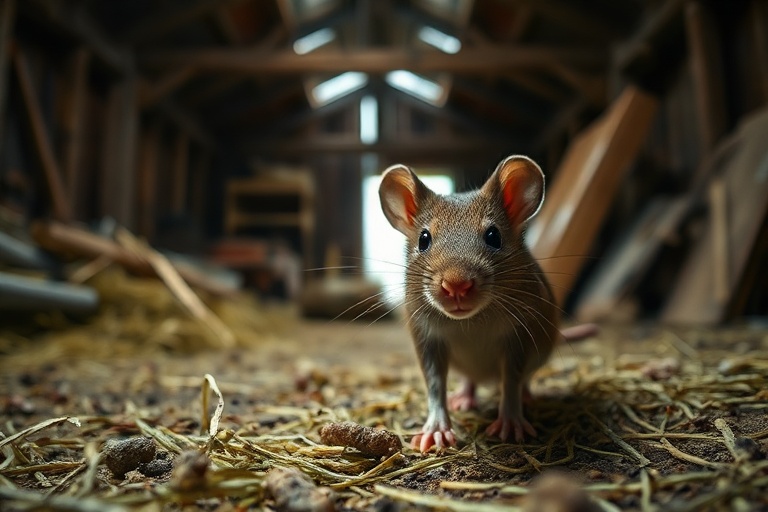
The primary carriers of hantavirus are rodents, including deer mice, rice rats, and voles. These animals shed the virus in their urine, droppings, and saliva. Human infection typically occurs when people inhale aerosolized particles from contaminated rodent excreta or come into direct contact with the animals. Unlike influenza or COVID-19, hantavirus does not spread from person to person, which limits its pandemic potential but does not eliminate the risk entirely.
Once inside the human body, hantavirus targets the vascular system, disrupting blood vessels and leading to complications such as fluid leakage in the lungs. Early symptoms of HPS include fever, muscle aches, and fatigue, which can rapidly progress to coughing, shortness of breath, and respiratory failure. The mortality rate for HPS can exceed 30%, making early diagnosis and intervention critical for survival.
Key Transmission Routes of Hantavirus
- Aerosolized particles: Inhaling dust contaminated with rodent urine or droppings.
- Direct contact: Touching rodents or their nesting materials without proper protection.
- Rodent bites: Rare but possible, especially when handling infected animals.
- Environmental contamination: Consuming food or water exposed to rodent excreta.
Preventing hantavirus infection hinges on controlling rodent populations and minimizing human exposure. Public health agencies recommend sealing entry points in homes, using traps, and maintaining clean living spaces to deter rodents. When cleaning areas with rodent activity, experts advise wearing gloves, masks, and ventilating the space to avoid inhaling contaminated dust.
Global Hotspots: Where Hantavirus is Most Prevalent
Hantavirus is not evenly distributed across the globe. Its presence is closely tied to the habitats of its rodent hosts. In the United States, the Sin Nombre virus is the most well-known strain, with cases primarily reported in the Four Corners region (where Arizona, New Mexico, Colorado, and Utah meet). This area has a high density of deer mice, which are the primary carriers. Other regions in North America, including Canada and parts of South America, also report sporadic cases.
In Europe and Asia, hantavirus cases are more frequently associated with the Puumala and Hantaan viruses. Scandinavia and Russia, for example, report thousands of HFRS cases annually due to the prevalence of bank voles and striped field mice. China and South Korea have also documented significant outbreaks, often linked to agricultural activities that bring humans into closer contact with rodent habitats.
The seasonal nature of hantavirus cases further underscores its connection to rodent behavior. In temperate climates, infections often peak in the fall and winter when rodents seek shelter indoors, increasing the likelihood of human exposure. Climate change and urbanization are also altering rodent habitats, potentially expanding the geographic range of hantavirus in the coming decades.
Prevention and Preparedness: How to Stay Safe
Given the severity of hantavirus and the lack of a vaccine or antiviral treatment, prevention remains the most effective strategy for combating the disease. Public health campaigns emphasize education and community engagement to reduce rodent infestations. Simple measures, such as storing food in sealed containers, disposing of garbage regularly, and keeping outdoor areas free of debris, can significantly lower the risk of infection.
For individuals who work in environments where rodent exposure is possible—such as farmers, campers, or pest control workers—additional precautions are necessary. The Centers for Disease Control and Prevention (CDC) recommends using a respirator when cleaning potentially contaminated areas and wetting surfaces with disinfectant before handling them to minimize aerosolization of the virus.
Surveillance and early detection are equally important in managing hantavirus outbreaks. Health authorities in high-risk regions monitor rodent populations and test for the virus in captured specimens. When human cases are identified, contact tracing and public alerts help prevent further spread. However, the rarity of hantavirus means that many healthcare providers may not immediately recognize its symptoms, leading to delays in diagnosis and treatment.
Essential Steps for Hantavirus Prevention
- Seal your home: Inspect and seal cracks, gaps, and holes to prevent rodents from entering.
- Eliminate food sources: Store food in airtight containers and avoid leaving pet food out overnight.
- Use traps and rodenticides: Place traps in areas where rodents are active, and use rodenticides as a last resort.
- Clean safely: Wear protective gear when cleaning rodent-infested areas, and disinfect surfaces thoroughly.
- Stay informed: Follow local health advisories, especially in regions with known hantavirus activity.
While the threat of hantavirus may seem distant for many, its potential to cause severe illness and even death makes it a disease worth taking seriously. The COVID-19 pandemic has highlighted the importance of preparedness and vigilance in the face of emerging infectious diseases. Hantavirus, though less transmissible between humans, serves as a reminder of the need to address zoonotic diseases—those transmitted from animals to humans—before they become larger public health crises.
Beyond Individual Action: The Role of Policy and Research
Addressing hantavirus requires more than just individual precautions; it demands a coordinated effort from governments, researchers, and communities. In the United States, the CDC and state health departments collaborate on surveillance programs to track rodent populations and detect early signs of hantavirus activity. Internationally, organizations like the World Health Organization (WHO) provide guidelines for hantavirus management and support research into potential treatments.
Research into hantavirus has made some progress in recent years. Scientists are exploring antiviral therapies and improved diagnostic tools to detect the virus earlier in infected individuals. However, the lack of a vaccine remains a significant gap in the fight against hantavirus. Unlike COVID-19, which spurred rapid vaccine development, hantavirus research has historically received less funding, partly due to its lower prevalence and the perception that it poses a limited global threat.
This discrepancy raises broader questions about how public health priorities are set. Diseases with high mortality rates but low transmission potential often struggle to attract the same level of attention or resources as pandemics like COVID-19. Yet, the impact of hantavirus on affected individuals and communities is profound. Families who lose loved ones to HPS often face not only emotional trauma but also financial burdens from medical expenses and lost productivity.
Climate change and human encroachment on natural habitats are likely to increase the risk of hantavirus and other zoonotic diseases in the future. As rodent populations expand into new areas, the geographic range of hantavirus may grow, bringing the disease into closer contact with human populations. This trend underscores the need for proactive measures, including improved surveillance, public education, and investment in research to better understand and combat hantavirus.
For now, the best defense against hantavirus remains a combination of vigilance, community action, and scientific innovation. By staying informed and taking practical steps to reduce rodent infestations, individuals can protect themselves and their families. Meanwhile, policymakers and researchers must prioritize hantavirus as part of a broader strategy to address emerging infectious diseases and safeguard public health.
As we continue to navigate the complexities of global health, diseases like hantavirus serve as a reminder that prevention is always preferable to cure. While the threat of a hantavirus outbreak may never reach the scale of a pandemic, its potential to cause harm is real and should not be underestimated.
For additional insights into infectious diseases and public health, explore related content on Dave’s Locker Health and Dave’s Locker Science.