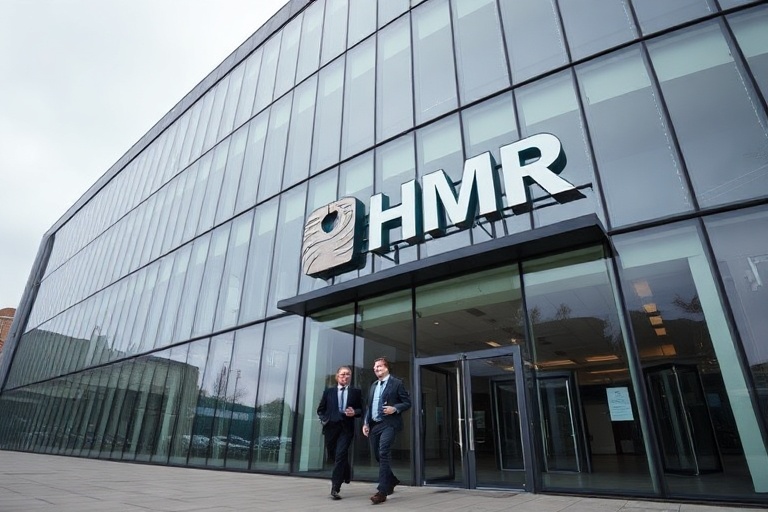
hm revenue & customs
HM Revenue & Customs: The Invisible Thread of the UK’s Fiscal Fabric
Every year, millions of people interact with HM Revenue & Customs (HMRC) without ever realizing it. Whether filing a tax return, claiming a refund, or simply noticing a VAT charge on a purchase, the agency operates silently in the background of daily life. But HMRC is far more than just a tax collector—it is a cornerstone of the United Kingdom’s economic stability and a reflection of its evolving relationship with global trade.
Established in 2005 through the merger of the Inland Revenue and HM Customs and Excise, HMRC is tasked with collecting taxes, enforcing customs laws, and administering government benefits. Its reach extends beyond the UK’s borders, influencing international trade policies and shaping the financial behaviors of businesses and individuals alike. To understand HMRC’s role, one must look beyond the spreadsheets and into the cultural and economic currents that define its operations.
The Dual Role: Tax Collection and Economic Guardianship
At its core, HMRC’s primary function is to collect revenue. In the fiscal year 2022-2023, the agency collected over £800 billion in taxes, accounting for roughly 90% of the UK’s total public sector income. This revenue funds essential services such as healthcare, education, and infrastructure. Yet, HMRC’s responsibilities extend beyond mere collection. It also plays a pivotal role in economic policy, using tax incentives to encourage investment in renewable energy, research and development, and small businesses.
One of the agency’s most visible tools is the annual tax return process. For self-employed individuals and business owners, this ritual can feel like a bureaucratic hurdle. However, it also serves as a mechanism for redistributing wealth and supporting social programs. The introduction of digital filing in the early 2000s streamlined this process, reducing errors and improving efficiency. Today, over 90% of tax returns are submitted online, a testament to HMRC’s adaptation to the digital age.
Internationally, HMRC’s customs division regulates the flow of goods in and out of the UK. Post-Brexit, this role has become even more critical. The agency now oversees the implementation of new trade agreements, monitors compliance with tariffs, and ensures that businesses adhere to the UK’s evolving regulatory standards. For industries like food and beverage, which rely heavily on imports, HMRC’s policies can mean the difference between profit and loss.
The Cultural Impact: From Tax Resistance to Public Trust
HMRC’s work is not just economic—it is deeply cultural. The agency has become a symbol of the state’s power to influence behavior, whether through tax breaks for electric vehicles or penalties for plastic waste. In the UK, tax compliance is often seen as a civic duty, a sentiment reinforced by public campaigns that highlight how tax revenue benefits society. Yet, this trust is not absolute. Scandals, such as the 2020 revelation that HMRC had overcharged self-assessment taxpayers by £2.6 billion, have occasionally eroded confidence.
Culturally, HMRC has also shaped the language and habits of the British public. Phrases like “tax avoidance” and “VAT refund” are now part of everyday conversation. The agency’s annual reports and consultations invite public feedback, creating a dialogue between the government and its citizens. This transparency is crucial in an era where trust in institutions is increasingly fragile.
Globally, HMRC’s policies have ripple effects. For instance, the UK’s participation in international tax agreements, such as the OECD’s Base Erosion and Profit Shifting (BEPS) project, has influenced how multinational corporations structure their operations. By setting standards for tax transparency, HMRC has positioned itself as a leader in the fight against financial secrecy.
The Challenges Ahead: Technology, Fraud, and Globalization
HMRC faces a host of challenges as it navigates the 21st century. One of the most pressing is the rise of digital fraud. Cybercriminals frequently target HMRC’s systems, exploiting vulnerabilities in online tax filings and customs declarations. In 2023 alone, the agency reported over 17,000 phishing scams, a number that continues to grow. To combat this, HMRC has invested in AI-driven fraud detection tools, but the cat-and-mouse game between regulators and criminals shows no signs of slowing.
Another challenge is the growing complexity of global trade. The UK’s departure from the European Union has introduced new layers of bureaucracy, from rules of origin requirements to sanitary and phytosanitary (SPS) checks. Businesses, particularly those in the automotive and manufacturing sectors, must now navigate a patchwork of regulations that can vary by country. HMRC’s role in simplifying this process—through guidance, training, and digital tools—has become more vital than ever.
Technology itself presents both opportunities and risks. On one hand, blockchain and distributed ledger systems could revolutionize customs declarations by providing real-time, tamper-proof records. On the other, the rapid pace of technological change outstrips the ability of some businesses to adapt. HMRC must strike a balance between innovation and accessibility, ensuring that its systems remain inclusive for all taxpayers.
A Look to the Future: HMRC in a Changing World
As the UK continues to redefine its role on the global stage, HMRC will remain a key player in shaping its economic future. The agency’s ability to adapt to new challenges—whether through digital transformation, international collaboration, or public engagement—will determine its success. For businesses and individuals alike, understanding HMRC’s operations is not just about compliance; it’s about participating in the broader narrative of the UK’s economic identity.
In an era of shifting trade alliances and technological disruption, HMRC stands as a testament to the enduring importance of fiscal responsibility. Its work may often go unnoticed, but its impact is felt in every transaction, every tax bill, and every policy decision. For those who take the time to look beneath the surface, HMRC reveals itself as a dynamic and indispensable force in the modern world.