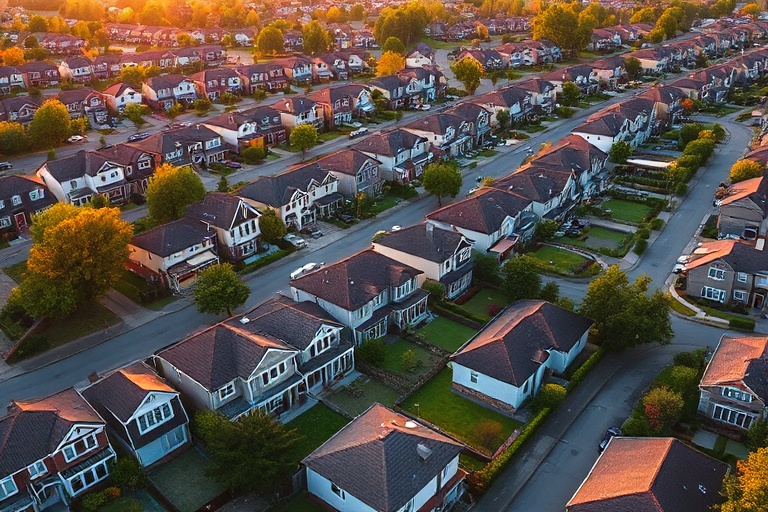
Home Prices 2024: Trends, Factors, and What to Expect
Understanding the Factors Driving Home Prices in 2024
The housing market continues to be a focal point for buyers, sellers, and investors alike. Home prices have shown remarkable resilience despite economic uncertainties, mortgage rate fluctuations, and shifting buyer preferences. Understanding the forces behind these price movements is essential for anyone navigating today’s real estate landscape.
Several key factors are influencing home prices this year. Supply constraints remain one of the most significant drivers. The shortage of available homes, particularly in desirable urban and suburban areas, has created intense competition among buyers. Meanwhile, demographic shifts—such as millennials entering their peak homebuying years—are sustaining demand. Economic conditions, including employment trends and wage growth, also play a critical role in shaping affordability and pricing power.
Another notable trend is the increasing influence of remote work on housing decisions. As more professionals gain flexibility in where they live, demand has surged in secondary markets and less densely populated regions. This migration has pushed prices higher in areas that were once considered more affordable, altering the traditional calculus of real estate investment.
The Role of Interest Rates and Mortgage Trends
Mortgage rates have been a dominant narrative in the housing market over the past two years. After reaching historic lows during the pandemic, rates climbed sharply in 2022 and 2023, cooling some of the market’s overheated momentum. While rates have stabilized somewhat in 2024, they remain elevated compared to the ultra-low levels of the early 2020s.
Higher borrowing costs have a direct impact on home prices. When rates rise, monthly payments increase, which can reduce purchasing power and put downward pressure on prices. However, the relationship isn’t always straightforward. In some markets, high rates have led to fewer listings as homeowners who locked in low rates years ago are reluctant to sell. This reduced supply can counterbalance the dampening effect of higher rates, keeping prices elevated.
For buyers, the current environment requires careful financial planning. A 30-year fixed mortgage rate hovering around 6.5% to 7% means that affordability is a bigger challenge than it was just a few years ago. Sellers, on the other hand, may find that pricing strategies need to be more competitive to attract a smaller pool of qualified buyers.
Regional Variations: Where Prices Are Rising and Falling
Home prices are not uniform across the country. While some markets continue to see robust growth, others are experiencing stagnation or even declines. The divergence is largely tied to local economic conditions, job markets, and population trends.
According to recent data from the News section of Dave’s Locker, markets in the Sun Belt—including parts of Florida, Texas, and Arizona—have seen some of the strongest price appreciation in the nation. These areas benefit from continued in-migration, business-friendly policies, and relatively lower taxes. In contrast, high-cost coastal cities like San Francisco and New York are grappling with slower growth as residents seek more affordable alternatives.
Urban cores in major metropolitan areas have also faced unique challenges. The post-pandemic return-to-office movement has been uneven, with some downtown areas struggling to regain their pre-2020 vibrancy. This has led to softer demand in certain urban neighborhoods, while suburban and exurban communities continue to thrive.
The following table highlights some of the fastest-growing and slowest-growing metropolitan areas based on year-over-year home price changes:
| Metro Area | Price Growth (YoY) | Key Driver |
|---|---|---|
| Miami, FL | +8.2% | International buyers and domestic migration |
| Austin, TX | +7.5% | Tech industry expansion and tax advantages |
| San Francisco, CA | -1.3% | Remote work exodus and high costs |
| Chicago, IL | +3.1% | Affordability relative to coastal markets |
Investor Activity and Its Impact on Pricing
Investors have long been a significant force in the housing market, but their role has evolved in recent years. Institutional buyers, including private equity firms and real estate investment trusts (REITs), have been particularly active in purchasing single-family homes to convert them into rental properties. This trend has contributed to higher prices in markets where inventory is already tight.
All-cash offers, often from investors, have become more common. These transactions can sidestep financing contingencies and close quickly, giving investors an edge in competitive bidding scenarios. While this activity helps absorb excess supply, it also reduces the number of homes available to owner-occupants, which can exacerbate affordability issues.
Government policies are starting to address investor impact. Some cities have implemented taxes or fees on vacant properties or second homes to encourage owner-occupancy. Others are exploring zoning changes to promote more affordable housing development. These measures aim to balance the scales between investors and traditional buyers.
What Buyers and Sellers Can Expect Moving Forward
The trajectory of home prices in the coming months will depend on several variables. If mortgage rates decline as expected later in 2024, we could see a renewed wave of buyer activity. However, if rates remain elevated or inflation persists, the market may continue to cool gradually.
For buyers, patience and preparation will be key. Getting pre-approved for a mortgage, expanding search areas, and being ready to move quickly when a suitable property appears can make a significant difference. Sellers, meanwhile, should focus on accurate pricing and strategic staging to stand out in a market where buyers have more leverage than they did a few years ago.
One emerging trend is the resurgence of new construction. Homebuilders are responding to the supply shortage by ramping up production, particularly in the entry-level and mid-tier segments. While this won’t solve the affordability crisis overnight, it could help stabilize prices in some regions.
Ultimately, the housing market remains a dynamic and localized phenomenon. While national trends provide a useful framework, the specifics of each neighborhood, city, and state will dictate the pace and direction of price changes. Staying informed and adaptable is the best strategy for anyone involved in real estate today.
Conclusion: Navigating a Complex Market with Confidence
The home price landscape of 2024 is shaped by a mix of economic, demographic, and policy-driven forces. While challenges remain, opportunities exist for both buyers and sellers who approach the market with clear goals and realistic expectations. Whether you’re looking to purchase your first home, upgrade to a larger property, or invest in rental real estate, understanding these trends will help you make informed decisions.
For more insights into market trends and regional analysis, visit the Analysis section of Dave’s Locker. Staying updated with reliable data and expert commentary can provide the clarity needed to navigate today’s complex housing environment.