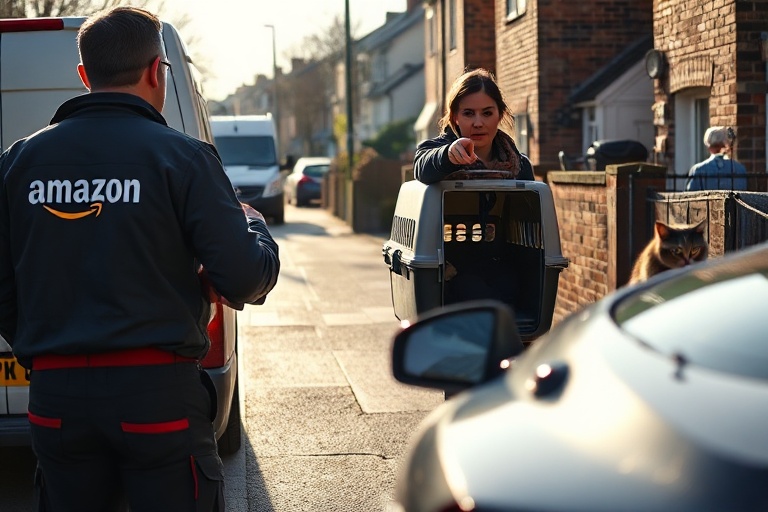
Amazon’s Cat Theft Scandal in Elland: A Global Look at Delivery Driver Crimes
The quiet town of Elland in West Yorkshire became an unlikely headline in 2023 when reports emerged of Amazon delivery drivers allegedly stealing cats from customers’ doorsteps. What began as a local news story quickly evolved into a bizarre cultural moment, drawing attention to the darker side of gig economy logistics and the vulnerabilities of pet owners in the digital age.
The incident began when multiple residents in Elland noticed their cats disappearing shortly after Amazon packages were delivered. Security footage in several cases showed delivery personnel lingering near doorsteps longer than necessary. One clip, shared widely on social media, appeared to show a driver holding a cat before placing it in their van. The video sparked outrage, leading to police investigations and a wave of public skepticism toward delivery services.
The Local Impact: Trust Eroded in a Small Community
Elland, with its close-knit population of around 10,000, prides itself on neighborly trust. The cat theft allegations shattered that trust, especially among elderly residents who rely on delivery services for groceries and essentials. One resident, 78-year-old Margaret Holloway, told local reporters, “I’ve lived here for 40 years. I never thought I’d have to lock my cat indoors because of a delivery driver.”
Local pet stores reported a surge in sales of GPS collars and microchips. Meanwhile, Amazon issued a public statement denying any systemic involvement but confirmed they were cooperating with authorities. Still, the damage to public perception lingered. The case highlighted how even isolated incidents can ripple through communities, creating ripple effects in trust and consumer behavior.
A Global Pattern: Delivery Driver Theft Beyond the UK
While Elland’s cat thefts made national news, similar incidents have occurred worldwide. In Melbourne, Australia, a delivery driver was caught on camera stealing a small dog from a front yard in 2022. In Toronto, Canada, a series of package thefts escalated into reports of drivers taking unattended pets. These cases reveal a disturbing trend: the gig economy’s pressure to meet delivery quotas may be creating incentives for misconduct.
According to a 2023 study by the International Labour Organization, delivery drivers in high-pressure gig roles often face minimal oversight. This lack of supervision can lead to opportunistic theft, especially of high-value items—or in this case, high-value emotional companions. The emotional toll on pet owners is significant; losing a pet to theft is not just a financial loss but a deep personal violation.
What’s more, the rise of pet theft as a crime has been documented globally. In the UK alone, pet theft increased by 20% between 2020 and 2023, according to the Pet Theft Reform group. While most thefts involve dogs, cats—especially pedigree breeds—are increasingly targeted. The Elland case, though isolated, became a symbol of a larger, troubling pattern.
Technology to the Rescue: How Pet Owners Are Fighting Back
In response to growing concerns, pet owners are turning to technology for protection. Smart doorbells with motion detection, GPS-enabled collars, and AI-powered pet cameras are now bestsellers. Apps like Find My Pet allow owners to track their animals in real time, while community networks like Nextdoor have become platforms for sharing suspicious activity.
Some neighborhoods have even formed informal “pet patrol” groups, where residents monitor doorsteps during delivery hours. One Elland resident started a Facebook group called “Protect Our Pets,” which now has over 2,000 members across the UK. The group shares delivery schedules, suspicious behavior, and even real-time alerts when a driver is spotted lingering too long.
Insurance companies have also adapted. Some now offer specialized coverage for pet theft, though premiums have risen due to increased claims. Veterinary clinics report more clients requesting microchipping as a preventive measure—proof that trust, once broken, is hard to rebuild.
What’s Being Done? Legal and Corporate Responses
Police in Calderdale, where Elland is located, confirmed they were investigating multiple reports. While no arrests have been publicly linked to cat thefts specifically, two delivery drivers were charged with unrelated thefts in the same area, raising concerns about broader misconduct within delivery networks.
Amazon, for its part, has introduced stricter identity checks and random audits for drivers in high-theft areas. Competitors like DPD and Hermes have also enhanced their monitoring systems, including mandatory dashcam installations in some regions. These measures are steps in the right direction, but critics argue they may be too little, too late for communities already scarred by the incidents.
The UK government has not yet introduced specific legislation targeting pet theft from deliveries, but calls are growing for stricter penalties under existing laws. The Sentencing Council is reviewing guidance to ensure pet theft is treated with the severity it deserves—especially when it involves vulnerable animals and distressed owners.
Lessons Learned: A Call for Awareness and Accountability
The Elland cat theft scandal serves as a cautionary tale about the unintended consequences of rapid digital transformation. While e-commerce has revolutionized convenience, it has also created new opportunities for exploitation. The gig economy, built on flexibility and low overhead, often lacks the human oversight needed to prevent abuses.
For pet owners, the lesson is clear: never leave pets unattended on doorsteps. For the industry, it’s a wake-up call to implement stronger safeguards. For society, it’s a reminder that technology, while powerful, must be balanced with responsibility and care.
As one Elland resident put it, “We love our convenience, but not at the cost of our pets’ safety.” The town may never fully recover its sense of security, but its story has sparked a global conversation—one that could reshape how we view delivery services, pet ownership, and the ethics of the gig economy.