How Shared Culture Helps Unite the United Kingdom
The idea of a unified kingdom is more than just a political concept—it’s a cultural force that shapes national identity. From the rolling hills of the Scottish Highlands to the bustling streets of London, the United Kingdom has long relied on shared traditions, values, and experiences to maintain its cohesion. Yet, in an era of increasing division, the question of how to truly unite the kingdom has taken on new urgency.
This isn’t just about government policies or economic ties. It’s about the stories we tell, the foods we eat, the music we play, and the ways we celebrate together. When these elements align, they create an invisible thread that binds people across regions, generations, and backgrounds. But what does it take to foster that sense of unity in practice?
The Power of Shared Traditions
Traditions are the glue that holds communities—and nations—together. In the UK, few events embody this better than the annual Bonfire Night celebrations. Every November 5th, towns from Lewes in Sussex to York light bonfires and set off fireworks to commemorate Guy Fawkes’ failed 1605 plot to blow up Parliament. The festivities are local, yet they resonate nationally, reminding people of a shared history.
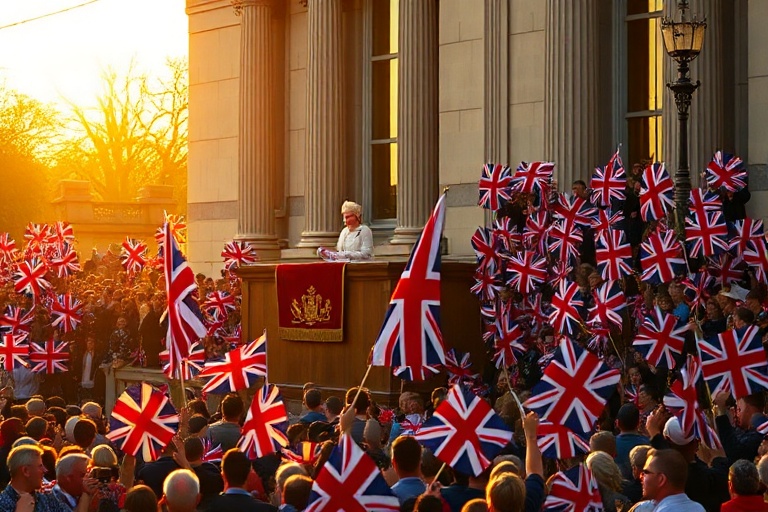
Another example is the changing of the guard at Buckingham Palace. While it’s a tourist attraction, it’s also a ritual that reinforces the monarchy’s role as a unifying symbol. These traditions don’t erase differences; instead, they provide common ground where people can gather, even if just as spectators.
- Local festivals: Events like Edinburgh’s Hogmanay or Cornwall’s Obby Oss festival draw thousands, blending regional pride with national participation.
- Royal milestones: Weddings, jubilees, and funerals of monarchs have historically served as moments of collective reflection.
- Sporting events: The Six Nations rugby tournament or the FA Cup final bring together fans from disparate backgrounds under a single banner.
The Role of Media in Shaping National Identity
Media—both traditional and digital—plays a pivotal role in shaping how people perceive their shared identity. The BBC, for instance, has long been a cornerstone of British culture, broadcasting everything from Doctor Who to regional news. Its mission to “inform, educate, and entertain” has made it a unifying force, even as debates rage over its funding and impartiality.
Social media has complicated this dynamic. Platforms like TikTok and Twitter allow subcultures to thrive, but they can also fragment national conversations. A viral trend in Manchester might not resonate in Glasgow, and vice versa. Yet, when used thoughtfully, digital spaces can also bridge divides. The #ClapForCarers campaign during the pandemic showed how online unity could translate into real-world solidarity.
Documentaries and films also contribute to this narrative. Productions like The Crown or Peaky Blinders don’t just entertain—they frame the UK’s past and present in ways that audiences can collectively engage with, even if they disagree on the details.
Economic and Political Strategies for Cohesion
Unity isn’t just cultural; it’s also practical. Economic policies that reduce regional inequality can strengthen ties. For example, the UK government’s Levelling Up agenda aims to redistribute resources to areas that have long felt left behind. While critics argue it’s more rhetoric than reality, the intent highlights a key truth: people are more likely to feel united when they see tangible benefits.
Political structures matter too. The devolved governments of Scotland, Wales, and Northern Ireland have their own parliaments, allowing them to tailor policies to local needs. This decentralization can prevent resentment from building up, though it also risks creating divergent national identities. The challenge lies in balancing autonomy with a shared sense of purpose.
- Infrastructure investments: Projects like HS2 rail or broadband expansion aim to connect regions physically and digitally.
- Education reforms: Initiatives to teach shared histories—while acknowledging colonial legacies—could foster mutual understanding.
- Intergovernmental cooperation: Joint ventures in healthcare or climate policy can create practical reasons for collaboration.
Challenges to Unity: Division and Discontent
Of course, unity is never guaranteed. Brexit exposed deep fractures between urban and rural areas, young and old, and England versus the other nations. The 2016 referendum didn’t just divide voters; it revealed how differently people envision the UK’s future. Some saw it as an opportunity to reclaim sovereignty; others feared it would weaken national bonds.
Social issues like immigration and austerity have also tested cohesion. Areas with high migration often experience cultural enrichment, but they can also face tensions. Similarly, economic hardship breeds frustration, and when people feel ignored, they’re more likely to turn inward. The rise of nationalist movements in Scotland and Wales reflects this discontent, as some regions push for greater independence.
Yet, even in these challenges, there are signs of resilience. Grassroots organizations are working to rebuild connections. The Women’s Institute, for instance, brings together women from all backgrounds to discuss local and national issues. Meanwhile, initiatives like Shared Lives foster intergenerational housing, breaking down isolation.
Looking Ahead: What’s Next for the United Kingdom?
So, what does the future hold for a united kingdom? It’s unlikely to mean uniformity. Instead, the goal should be a sense of shared purpose that accommodates diversity. This requires intentional effort—from policymakers, media outlets, and citizens alike.
One promising trend is the resurgence of local journalism. As national newspapers struggle with trust issues, hyperlocal outlets are filling the gap, providing news that matters to specific communities. This bottom-up approach ensures that voices from all corners of the UK are heard.
Another is the role of arts and culture. Festivals like Glastonbury or the Edinburgh Fringe don’t just celebrate creativity—they create spaces where people can encounter new perspectives. Investing in these sectors isn’t just about entertainment; it’s about fostering empathy.
Ultimately, uniting the kingdom isn’t about erasing differences. It’s about recognizing that shared challenges—climate change, economic instability, social isolation—require collective solutions. Whether through tradition, media, policy, or grassroots action, the bonds that hold the UK together are constantly being reforged.
The kingdom was never a monolith, and it never will be. But as long as there are stories to tell, meals to share, and causes to rally behind, there will be a foundation for unity.