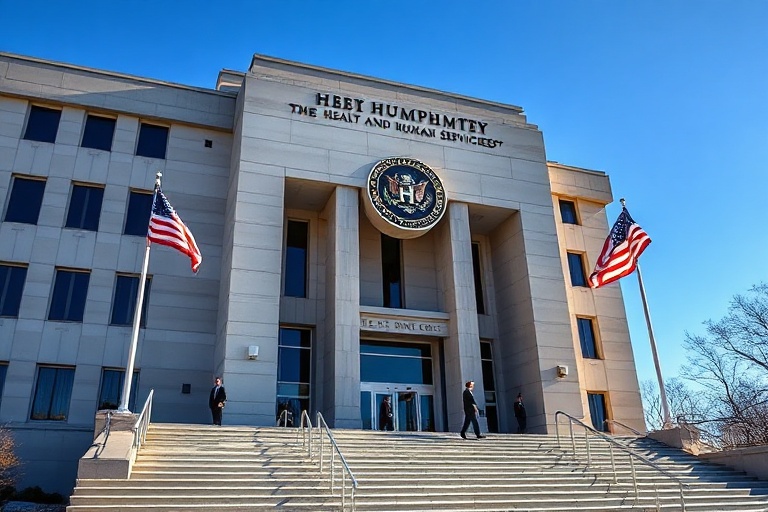
The United States Department of Health and Human Services (HHS) stands as one of the most influential federal agencies in the world, shaping public health policies, advancing medical research, and addressing social welfare challenges on a global scale. Established in 1953, the HHS has evolved into a sprawling network of agencies, programs, and initiatives that touch nearly every aspect of American life—and, by extension, the lives of people worldwide. With a budget exceeding $1.4 trillion in recent years, its reach extends far beyond U.S. borders, influencing global health standards, emergency response protocols, and humanitarian aid efforts.
The Structure and Leadership of HHS
The HHS operates as a cabinet-level department under the executive branch of the U.S. government, led by the Secretary of Health and Human Services, who is appointed by the President and confirmed by the Senate. The department’s organizational structure is divided into multiple operating divisions, each with a distinct focus:
- National Institutes of Health (NIH): The world’s leading medical research agency, responsible for groundbreaking discoveries in medicine, genetics, and public health.
- Centers for Disease Control and Prevention (CDC): A global leader in disease prevention, response, and health promotion, often serving as the first line of defense during pandemics.
- Food and Drug Administration (FDA): Ensures the safety and efficacy of food, pharmaceuticals, and medical devices, setting standards adopted by countries worldwide.
- Centers for Medicare & Medicaid Services (CMS): Administers two of the largest healthcare programs in the U.S., influencing healthcare delivery models globally.
- Health Resources and Services Administration (HRSA): Focuses on improving access to healthcare for underserved populations, including rural communities and low-income families.
- Substance Abuse and Mental Health Services Administration (SAMHSA): Addresses the opioid crisis, mental health stigma, and addiction treatment programs that resonate internationally.
The HHS also collaborates with international organizations such as the World Health Organization (WHO), UNICEF, and the Global Fund to Fight AIDS, Tuberculosis, and Malaria. These partnerships underscore the department’s role in addressing global health disparities and promoting equity in healthcare access.
Key Initiatives and Their Global Influence
The HHS has been at the forefront of some of the most significant public health achievements of the 21st century. One of its most notable initiatives is the Healthy People program, which sets national objectives for improving health and well-being. These objectives are often mirrored in other countries’ public health agendas, creating a ripple effect in global health policy.
During the COVID-19 pandemic, the HHS played a critical role in coordinating the U.S. response, from vaccine development to distribution. The FDA’s rapid approval of vaccines under emergency use authorization set a precedent for regulatory agencies worldwide, while the CDC’s guidelines on masking, testing, and social distancing became reference points for nations grappling with the crisis.
Another landmark initiative is the Health IT (Information Technology) initiatives, which aim to modernize healthcare through electronic health records (EHRs) and telemedicine. These efforts have not only improved patient care in the U.S. but have also inspired digital health transformations in Europe, Asia, and Africa. Countries like Estonia and Rwanda have adopted U.S.-style EHR systems, demonstrating the HHS’s role as a catalyst for technological advancement in healthcare.
Cultural and Societal Impact
The HHS’s influence extends beyond policy and technology; it shapes cultural attitudes toward health, wellness, and social equity. For example, the department’s campaigns on childhood obesity and nutrition have led to widespread changes in school lunch programs, not just in the U.S. but in countries like Mexico and the United Kingdom, where similar initiatives have been implemented.
The opioid epidemic in the U.S. has also prompted a reevaluation of addiction treatment and harm reduction strategies globally. The HHS’s focus on evidence-based interventions, such as medication-assisted treatment (MAT) and naloxone distribution, has influenced policies in Canada, Australia, and parts of Europe, where opioid crises have emerged as critical public health challenges.
Moreover, the HHS has been a vocal advocate for addressing health disparities among marginalized communities, including racial and ethnic minorities, LGBTQ+ individuals, and low-income populations. Its data-driven approach to identifying and addressing inequities has set a standard for other nations, particularly in Europe, where discussions on healthcare equity are increasingly prominent.
Challenges and Criticisms
Despite its achievements, the HHS faces significant challenges. Budget constraints, political polarization, and bureaucratic inefficiencies often hinder its ability to implement long-term solutions. Critics argue that the department’s reliance on private-sector partnerships can lead to conflicts of interest, particularly in areas like pharmaceutical regulation and healthcare delivery.
The COVID-19 pandemic exposed vulnerabilities in the U.S. healthcare system, from supply chain shortages to disparities in vaccine access. These issues have prompted calls for reforms within the HHS, including greater investment in public health infrastructure and a more coordinated approach to emergency preparedness.
Another contentious issue is the HHS’s role in regulating reproductive health. The department’s policies on abortion, contraception, and family planning have sparked intense debate, both domestically and internationally. These policies often influence global discussions on women’s health, with countries like Poland and Brazil looking to the U.S. as a case study in the consequences of restrictive reproductive health laws.
A Look Ahead: The Future of HHS
As the world grapples with emerging health threats—from climate change to antimicrobial resistance—the HHS is poised to play an even greater role in shaping global health policy. One of its most pressing priorities is addressing the long-term effects of the COVID-19 pandemic, including mental health crises, chronic illness, and healthcare workforce shortages.
The department is also increasingly focusing on climate change, recognizing its profound impact on public health. Initiatives like the HHS Climate Action Plan aim to reduce the environmental footprint of healthcare facilities and prepare communities for the health risks posed by extreme weather events, rising temperatures, and air pollution.
Looking ahead, the HHS’s ability to adapt to these challenges will depend on its capacity to foster innovation, strengthen international collaborations, and maintain a commitment to equity. As countries around the world seek to build resilient healthcare systems, the lessons learned from the HHS’s successes and failures will remain invaluable.
Conclusion
The United States Department of Health and Human Services is more than just a federal agency; it is a global influencer in public health, medical research, and social welfare. From its leadership during the COVID-19 pandemic to its role in shaping digital health innovations, the HHS has left an indelible mark on healthcare systems worldwide. As it navigates the complexities of the 21st century, its ability to address emerging challenges while upholding its core mission of protecting and promoting health will determine its legacy for generations to come.