Icons of the Hardwood: Basketball’s Most Famous Players Through History
Basketball has produced legends whose names echo through gymnasiums and across generations. These athletes didn’t just dominate games; they redefined what was possible on the court and left indelible marks on popular culture. Their influence extends beyond statistics and trophies, shaping how the sport is played, perceived, and celebrated worldwide.
The Pioneers Who Changed the Game
Before the modern era of highlight reels and social media fame, a handful of players laid the foundation for basketball’s global appeal. Their innovations in skill, style, and athleticism transformed the sport from a niche pastime into a worldwide phenomenon.
The first true icon was George Mikan, the towering center who dominated the 1940s and 1950s. His shot-blocking and scoring prowess made him the NBA’s first true superstar. Mikan’s dominance led to rule changes, including the introduction of the shot clock, which revolutionized the game’s pace and strategy.
Bill Russell followed in the 1960s, not through scoring but through his unmatched defensive intensity and leadership. Russell’s Boston Celtics won 11 championships in 13 seasons, a dynasty built on teamwork and relentless defense. His rivalry with Wilt Chamberlain—who holds countless records including the legendary 100-point game—created basketball’s first true superstar rivalry.
These pioneers proved that basketball could be more than just a game. It could be a spectacle, a cultural touchstone, and a path to social progress. Their legacies endure in every aspect of modern basketball, from the emphasis on defense to the importance of team chemistry.
The Global Expansion of Basketball Stardom
As television brought basketball into living rooms across America, a new generation of players captured the world’s imagination. Their global appeal helped transform the NBA into an international league and basketball into a universal language.
Magic Johnson and Larry Bird revitalized the NBA in the 1980s through their legendary rivalry. Their contrasting styles—Magic’s flashy showmanship versus Bird’s deadly shooting—drew new fans to the sport. Their 1984 Finals meeting is often credited with saving the NBA from financial collapse and launching the league’s modern era.
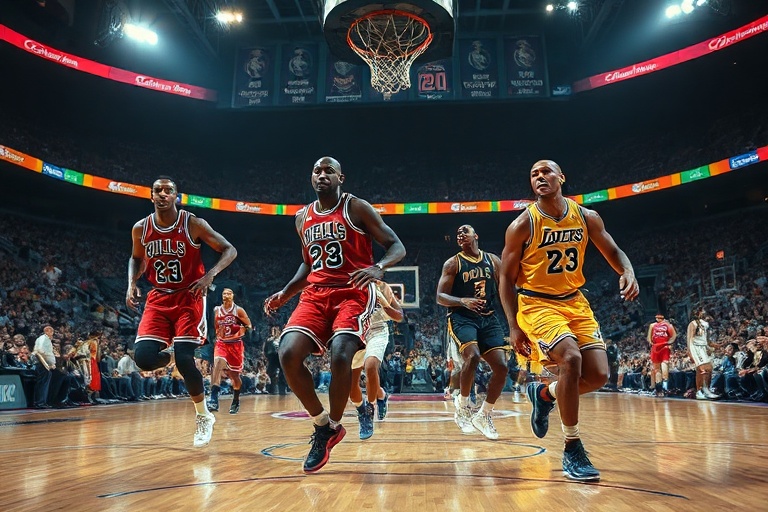
Michael Jordan arrived in the 1990s, taking the sport to unprecedented heights. Jordan’s six championships with the Chicago Bulls, five MVP awards, and cultural impact made him the most recognizable athlete in the world. His global popularity transcended basketball, influencing fashion, music, and even language.
The international expansion continued with players like Hakeem Olajuwon from Nigeria, who dominated with his footwork and post moves, and Dirk Nowitzki from Germany, who revolutionized the power forward position with his shooting ability. Their success inspired generations of international players to pursue basketball dreams.
Today, basketball’s global reach is more evident than ever. The NBA’s international games draw massive crowds, and players from Australia, France, Serbia, and other countries regularly contend for championships and MVP awards. This global talent pool has made the game faster, more skilled, and more unpredictable than ever before.
The Modern Era: Where Legacy Meets Innovation
The 21st century has seen basketball evolve into a sport where traditional roles are constantly being redefined. Today’s superstars combine athleticism with advanced skills, creating a new breed of player who excels in multiple aspects of the game.
LeBron James represents the ultimate modern basketball player—versatile, durable, and constantly evolving. His longevity and all-around excellence have cemented his status as one of the greatest to ever play. LeBron’s ability to adapt his game as he’s aged has set a new standard for player development.
Stephen Curry changed basketball forever with his three-point shooting. His 2015-16 season, where he shattered his own single-season record with 402 threes, proved that shooting could be the foundation of a championship team. Curry’s influence has led to a league-wide emphasis on three-point shooting, with teams prioritizing space and shooting over traditional post play.
The 2020s have seen the rise of players like Giannis Antetokounmpo, who combines freakish athleticism with relentless work ethic. His 2021 championship and back-to-back MVP awards showcased the power of sheer determination and physical dominance. Meanwhile, Nikola Jokić has redefined the center position with his passing and shooting ability, proving that big men don’t need to be traditional back-to-the-basket scorers.
This era also highlights the importance of player empowerment. Stars like LeBron James and Kevin Durant have used their platforms to advocate for social justice, education reform, and player rights. Their influence extends beyond basketball, making them leaders in the broader cultural conversation.
Beyond the Court: The Cultural Impact of Basketball’s Greatest
The most famous basketball players transcend sports, becoming cultural icons whose influence extends far beyond the hardwood. Their impact can be seen in fashion, music, business, and social movements.
Michael Jordan’s Air Jordan brand revolutionized sports marketing and sneaker culture. What began as a simple endorsement deal became a billion-dollar industry, with sneaker culture evolving into a global phenomenon. Jordan’s cultural footprint extends to movies, television, and even video games, where he remains a playable character decades after his retirement.
LeBron James has followed a similar path, using his platform to create educational opportunities through the I PROMISE School and advocate for social justice causes. His media production company, SpringHill Entertainment, has produced award-winning content that addresses social issues. LeBron’s activism has made him one of the most influential voices in modern sports.
Basketball players have also shaped fashion trends. Allen Iverson’s influence on hip-hop fashion in the 1990s and early 2000s remains evident today. His embrace of baggy jeans, chains, and cornrows challenged traditional athlete attire and reflected the culture of his era. More recently, players like Russell Westbrook have become fashion icons, collaborating with major brands and walking runways.
The global impact extends to music as well. Players like Kobe Bryant and Damian Lillard have pursued musical interests alongside their basketball careers, releasing albums that have found success beyond sports fandom. This crossover appeal helps basketball maintain its relevance in popular culture.
Perhaps most importantly, basketball’s greatest players have used their platforms to drive social change. From Bill Russell’s civil rights activism to LeBron James’ More Than a Vote organization, these athletes have demonstrated that sports and social justice are inextricably linked. Their willingness to use their voices has inspired countless others to do the same.
Key Characteristics of Basketball Legends
While every great player has unique qualities, several traits consistently appear among basketball’s most famous figures:
- Adaptability: The ability to evolve with the game, whether through improved shooting, expanded playmaking, or enhanced defense.
- Work Ethic: Unmatched dedication to improvement, often involving grueling training regimens and meticulous attention to detail.
- Leadership: The capacity to elevate teammates, whether through vocal encouragement, leading by example, or strategic brilliance.
- Cultural Influence: The ability to transcend sports and impact broader cultural conversations through fashion, business, or activism.
- Longevity: Sustained excellence over time, often defying physical expectations and maintaining peak performance into later years.
A Legacy That Continues to Grow
The stories of basketball’s greatest players are still being written. New stars emerge each season, carrying the torch of those who came before them while forging their own paths. The global nature of the sport ensures that future legends could come from anywhere—Tokyo, Lagos, Melbourne, or Buenos Aires.
What remains constant is the game’s ability to inspire. Whether through jaw-dropping athleticism, strategic brilliance, or sheer determination, basketball’s most famous players remind us of what’s possible when talent meets opportunity. Their legacies serve as both inspiration and challenge for the next generation of players.
As basketball continues to evolve, one thing is certain: the next chapter of these legends’ stories will be as compelling as the ones we’ve already witnessed. The hardwood remains a stage where history is made, one game at a time.
For more on basketball’s cultural impact, explore our Sports and Entertainment categories, where we examine how athletes influence broader cultural conversations.