John Tortorella: The Unfiltered Voice of NHL Coaches
By Dave’s Locker Staff
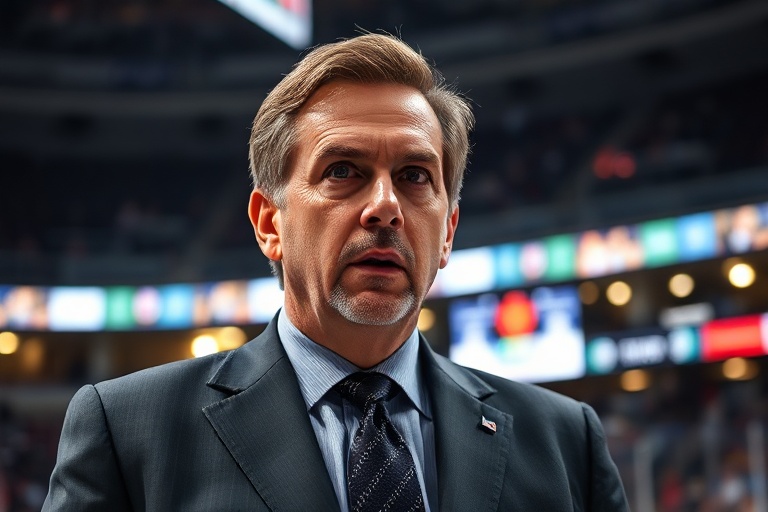
John Tortorella isn’t just another name in the NHL coaching fraternity. He’s a personality—loud, opinionated, and unapologetically himself. With a career spanning over three decades, Tortorella has become synonymous with intensity, discipline, and an uncompromising approach to hockey. His journey from a journeyman player to one of the most polarizing figures in professional sports offers a fascinating study in leadership, adaptability, and the power of sheer will.
The Early Years: From Player to Coach
Tortorella’s hockey roots run deep. Born in Boston in 1958, he grew up in a city where hockey culture runs as deep as the Charles River. Though he wasn’t drafted into the NHL, he carved out a modest playing career in the minor leagues, logging time with teams like the Philadelphia Firebirds and the Minnesota Fighting Saints. His real passion, however, emerged off the ice.
By the late 1980s, Tortorella was transitioning into coaching. His first major role came with the American Hockey League’s Rochester Americans, where he quickly earned a reputation for his demanding style. His ability to connect with players and extract maximum effort from them caught the attention of NHL scouts. Tortorella’s philosophy wasn’t about coddling talent; it was about demanding accountability, a trait that would define his entire career.
Key Coaching Milestones
- 1995-2000: Head coach of the AHL’s Rochester Americans, leading the team to a Calder Cup Final appearance in 1996.
- 2000-2008: Joined the Tampa Bay Lightning as an assistant coach, later becoming head coach in 2001.
- 2004: Guided the Lightning to their first Stanley Cup championship, cementing his legacy as a coach who could win with any roster.
- 2013: Briefly coached the New York Rangers, reaching the Eastern Conference Finals.
- 2015-2022: Took over the Columbus Blue Jackets, implementing a high-pressure system that initially struggled before finding rhythm.
The Tortorella Coaching Philosophy: Discipline Over Everything
What sets Tortorella apart from his peers isn’t just his success—it’s his methodology. His coaching style is often described as “old-school,” a throwback to eras when hockey demanded physicality, grit, and relentless conditioning. Unlike modern coaches who prioritize analytics and possession metrics, Tortorella’s system revolves around structure, forechecking, and defensive responsibility. He believes in a team’s ability to dictate play through sheer willpower rather than finesse.
This philosophy isn’t without controversy. Critics argue that Tortorella’s approach stifles creativity and relies too heavily on intimidation. Yet, his players often speak of his ability to instill belief in a group. There’s a psychological edge to his coaching—he doesn’t just prepare teams for opponents; he prepares them for battle. This mindset has earned him both loyal followers and staunch detractors.
One of Tortorella’s most notable innovations was his use of the “1-2-2” forecheck system, a tactic designed to apply constant pressure on opponents. While not revolutionary, his execution of it has made it a staple in many NHL systems today. His emphasis on the “blue-collar” mentality resonates with players who thrive under high-stress conditions.
The Media Figure: Tortorella’s Unfiltered Persona
Beyond the rink, Tortorella is a media darling—or perhaps more accurately, a media spectacle. His post-game press conferences are legendary, filled with blunt one-liners, sarcasm, and occasional outbursts. Whether he’s calling out reporters, defending his players, or making bold predictions, Tortorella ensures that he remains the center of attention. This unfiltered approach has made him a polarizing figure in sports journalism.
His most infamous moment came during a 2013 interview with a reporter from MSG Network. When asked about his team’s performance, Tortorella snapped, “You want me to answer questions, or do you want to carry on with this bullshit?” The clip went viral, further cementing his reputation as hockey’s most unpredictable interview.
Yet, there’s a method to his madness. Tortorella understands the media landscape better than most. In an era where transparency is demanded, he uses his platform to control the narrative—even if it means creating chaos. His willingness to speak his mind has made him a fan favorite, particularly among those who appreciate authenticity over political correctness.
Legacy and Broader Implications in Hockey
Tortorella’s impact extends beyond wins and losses. He represents a dying breed of coaches who prioritize old-school values in a sport increasingly dominated by analytics and player empowerment. His success with the Lightning in 2004 proved that grit and determination could still win championships, a lesson that resonates in today’s NHL.
However, his legacy isn’t without blemishes. His time in Columbus was marred by inconsistency, and his reputation as a “players’ coach” has been questioned. Some argue that his style is outdated in a league where star players demand creative freedom. Yet, his ability to adapt—whether by adjusting systems or embracing new technologies—shows a coach who refuses to be boxed in.
For aspiring coaches, Tortorella’s career offers a masterclass in resilience. He’s been fired, criticized, and questioned, yet he always finds a way to reinvent himself. His story is a reminder that success in hockey isn’t just about Xs and Os; it’s about leadership, adaptability, and the courage to stand by your principles.
As the NHL continues to evolve, Tortorella remains a relevant figure. Whether he’s coaching, broadcasting, or simply sharing his opinions, his voice will always be one of the most heard in the game. In an era where hockey is becoming more polished and predictable, Tortorella’s raw, unfiltered approach is a breath of fresh air.
Why Tortorella Matters in Today’s NHL
- He challenges conventional wisdom: While analytics dominate modern hockey strategy, Tortorella’s reliance on traditional systems forces a necessary debate about balance in the sport.
- He redefines leadership: His ability to motivate players through sheer force of personality speaks to a different kind of leadership—one that doesn’t always rely on consensus.
- He embodies hockey’s cultural divide: Tortorella’s style highlights the ongoing tension between old-school hockey values and the modern, data-driven approach to the game.
- He keeps the game unpredictable: In an era where sports often feel scripted, Tortorella’s unpredictability adds an element of excitement both on and off the ice.
For fans and analysts alike, Tortorella’s career is a reminder that hockey isn’t just a sport—it’s a battleground. And no one understands that better than the man who’s made it his life’s work.
As Tortorella himself once said, “I don’t care what you think about me. I care about what I think about me.” It’s a philosophy that has defined his career, and one that ensures his legacy will endure long after he steps behind the bench for the final time.
For more on NHL coaching strategies and the broader implications of Tortorella’s career, visit our Sports and Analysis sections.