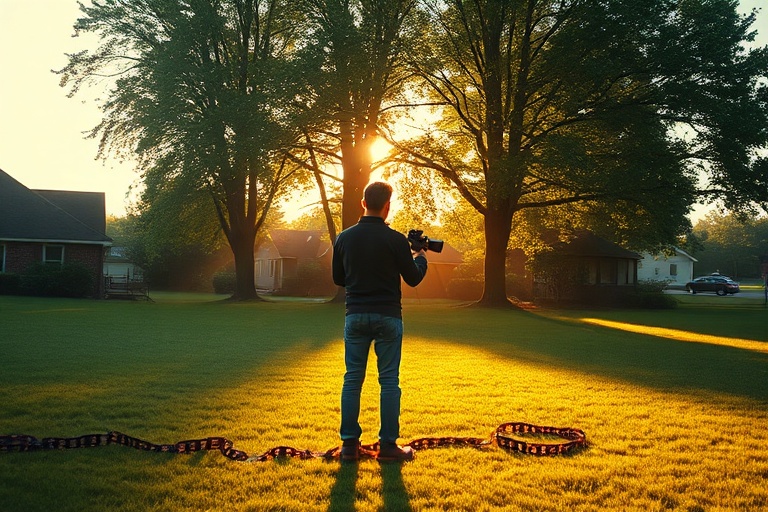
Magic Hour Movies: How Filmmakers Use Light to Enhance Storytelling
“`html
The Magic Hour Movie: A Cinematic Study of Light and Time
The term “magic hour” in filmmaking refers to the fleeting moments just after sunrise or before sunset when natural light bathes scenes in a soft, golden glow. This phenomenon has inspired directors from Terrence Malick to Christopher Nolan to craft some of cinema’s most visually arresting sequences. The magic hour movie, as a concept, transcends mere aesthetics; it’s a deliberate choice that shapes mood, underscores themes, and elevates storytelling.
Directors use magic hour lighting to evoke a spectrum of emotions—nostalgia, warmth, melancholy, or even foreboding. The technique isn’t just about beauty; it’s a narrative tool. When executed well, it can make audiences feel the weight of time passing, the fragility of moments, or the inevitability of change. Films like Days of Heaven and Blade Runner 2049 demonstrate how this natural phenomenon can become a character in its own right.
The Origins of Magic Hour in Cinema
The magic hour’s cinematic roots trace back to the early days of Hollywood. In the 1920s and 1930s, cinematographers experimented with natural light to create more realistic and immersive visuals. However, it wasn’t until the 1970s that directors began to treat magic hour lighting as a deliberate stylistic choice rather than a practical necessity.
Terrence Malick’s Days of Heaven (1978) is often cited as the film that codified magic hour as an artistic device. Shot by cinematographer Néstor Almendros, the film’s ethereal glow became a blueprint for how natural light could shape a movie’s emotional landscape. Almendros’ work proved that magic hour wasn’t just a technical challenge—it was an opportunity to craft poetry with a camera.
By the 1990s and 2000s, magic hour lighting evolved into a staple of prestige filmmaking. Directors like Paul Thomas Anderson and Sofia Coppola adopted the technique to lend their films a dreamlike quality. Even blockbusters like The Dark Knight used magic hour sequences to heighten drama, proving the technique’s versatility across genres.
Why Directors Choose Magic Hour: A Breakdown of Techniques and Themes
Magic hour isn’t just about pretty pictures—it’s a deliberate artistic decision with tangible effects on storytelling. Here’s how filmmakers leverage it:
- Mood Enhancement: The golden hues of magic hour can soften harsh realities, making even bleak subjects feel poetic. For example, the opening sequence of No Country for Old Men uses magic hour to contrast the vast, serene landscape with the brutality to come.
- Character Development: Lighting can mirror a character’s internal state. In The Tree of Life, the magic hour sequences underscore the protagonist’s longing for connection and meaning.
- Pacing and Rhythm: Magic hour scenes often slow the narrative, inviting audiences to linger on details. This technique can create a meditative effect, as seen in The Revenant’s dream sequences.
- Symbolism: The fleeting nature of magic hour can symbolize transience, youth, or the passage of time. Wes Anderson’s films frequently use this technique to highlight the bittersweet nature of memory.
The choice to shoot during magic hour also reflects a director’s philosophy. For auteurs like Malick or Kubrick, it’s about capturing the sublime in the everyday. For others, like Nolan, it’s a way to ground fantastical elements in realism. The technique’s adaptability makes it a powerful tool in any filmmaker’s arsenal.
The Magic Hour in Modern Filmmaking: Trends and Challenges
Today, magic hour cinematography faces new challenges and opportunities. On one hand, digital technology has made it easier than ever to manipulate light in post-production. Filmmakers can now augment or replicate magic hour effects without the constraints of natural timing. This has democratized the technique, allowing indie directors to achieve similar results with smaller budgets.
However, purists argue that digital enhancement can’t replicate the organic beauty of natural magic hour light. The unpredictability of real sunlight—its warmth, its texture, its fleeting quality—remains difficult to replicate artificially. Directors like Roger Deakins, known for his work on 1917 and Blade Runner 2049, have championed the use of practical magic hour lighting, arguing that it lends films a tactile authenticity.
Another trend is the blending of magic hour aesthetics with other visual styles. For instance, La La Land juxtaposed magic hour lighting with vibrant Technicolor musical numbers, creating a visual dialogue between nostalgia and modernity. Similarly, Mad Max: Fury Road used the harsh, golden light of the desert to amplify the film’s post-apocalyptic intensity.
The rise of streaming platforms has also influenced magic hour cinematography. With audiences consuming films on devices ranging from phones to massive TVs, directors must consider how magic hour scenes will translate across screens. The soft, diffused light of magic hour can look stunning on a big screen but may lose impact on smaller, lower-resolution displays. This has led some filmmakers to experiment with hybrid approaches, combining magic hour shoots with controlled lighting setups.
The Magic Hour Beyond Film: Photography, Music, and Visual Culture
The influence of magic hour extends beyond cinema. In photography, the golden hour (a close cousin to magic hour) is a staple of portrait and landscape work. Photographers like Annie Leibovitz and Peter Lindbergh have used its soft light to create iconic images that feel both timeless and intimate.
Music videos and commercials also borrow from magic hour aesthetics. Directors like Spike Jonze and David Fincher have used the technique to evoke emotion and luxury in advertisements. Even fashion brands leverage magic hour lighting to create aspirational imagery that feels effortless and organic.
This cross-pollination of techniques speaks to a broader cultural fascination with magic hour as a metaphor. It represents the idealized moments in life—the ones we wish could last forever. Whether in a film, a photograph, or a song, magic hour lighting taps into a universal longing for beauty and transience.
Conclusion: The Enduring Allure of Magic Hour
The magic hour movie is more than a technical achievement; it’s a testament to the power of light as a storytelling device. From its origins in early Hollywood to its modern iterations in digital filmmaking, magic hour lighting has proven its versatility and emotional resonance. It challenges directors to work with nature’s constraints, rewarding patience and precision with moments of cinematic transcendence.
As technology continues to evolve, the magic hour’s relevance may shift, but its essence will endure. Whether through the lens of a film camera, the sensor of a smartphone, or the eye of a photographer, the golden glow of magic hour will continue to captivate audiences. It reminds us that beauty often lies in life’s fleeting moments—and that the best stories are the ones that make us feel those moments deeply.
For filmmakers and audiences alike, magic hour is a reminder to slow down, to appreciate the light, and to recognize the magic in everyday life.
To explore more about the intersection of technology and visual storytelling, visit our Technology and Entertainment sections for curated content on the latest trends and techniques.