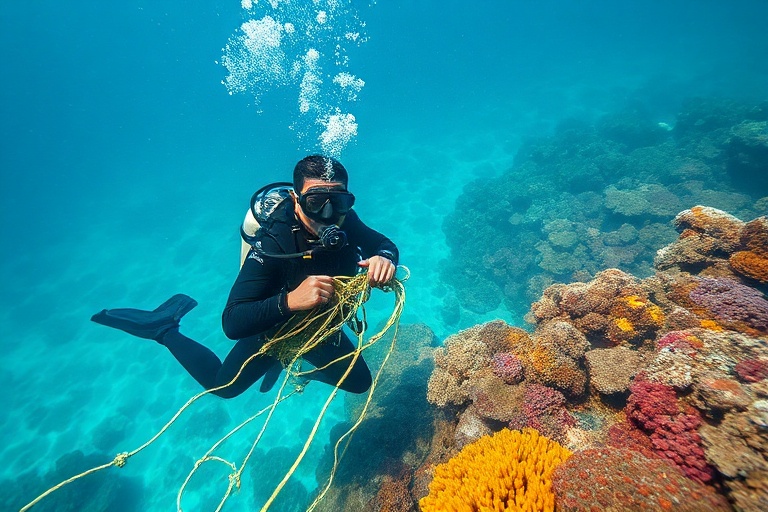
maldives diving accident
The Maldives has long been celebrated as a diving paradise, with its crystal-clear waters and vibrant marine life attracting adventurers from around the globe. Yet beneath the allure of this tropical haven lies an unpredictable environment where even experienced divers can face life-threatening risks. Recent incidents have once again highlighted the importance of preparation, awareness, and respect for the ocean’s power.
What Happened in the Latest Maldives Diving Accident?
On a routine morning in April 2024, a group of divers set out from a private resort in the southern Maldives for a morning dive at a popular site known for its strong currents and deep drop-offs. According to preliminary reports, one diver—an experienced 42-year-old from Europe—became separated from the group and was swept into a powerful channel. Despite immediate rescue efforts by the dive team and local authorities, the diver was not recovered in time. This tragic incident has reignited conversations about diving safety protocols in the region.
The Maldives’ unique geography, with its atolls, channels, and varying currents, poses challenges even for seasoned divers. While many resorts boast high safety standards, variability in local conditions and human error can lead to dangerous situations. Investigations are ongoing, but initial findings suggest a combination of strong currents, limited visibility at depth, and a delay in initiating emergency procedures contributed to the outcome.
Why the Maldives Remains a High-Risk Diving Destination
More than just a tourist attraction, the Maldives is a dynamic marine ecosystem where unpredictable currents and sudden weather changes can transform a calm dive into a perilous ordeal. Unlike controlled environments such as swimming pools or shallow reefs, ocean diving involves navigating natural forces that are often invisible until it’s too late.
The archipelago’s topography creates natural “highways” for water movement. Channels between atolls funnel ocean currents at high speeds, creating what locals call “drift zones.” Divers who enter these areas without proper training or equipment can quickly find themselves carried far from their intended path. In many cases, panic sets in as oxygen levels deplete and the shoreline disappears from view.
Moreover, the Maldives’ reputation for luxury and exclusivity can lead to complacency. Some divers, lured by the promise of swimming with manta rays or whale sharks, underestimate the physical demands of drift diving. Even experienced divers may overlook the need for real-time weather updates, local current charts, or contingency plans for emergency ascents.
Key Risk Factors in Maldives Diving Accidents
- Unpredictable Currents: Channels between atolls can generate currents exceeding 3 knots, making buoyancy control difficult.
- Limited Surface Visibility: Plankton blooms and suspended sediment can reduce visibility to less than 10 meters.
- Equipment Failure: Relying on rental gear without pre-dive checks increases the risk of malfunction.
- Solo Diving: Many accidents occur when divers separate from guided groups, often due to overconfidence.
- Delayed Emergency Response: Remote locations mean rescue teams may take 30 minutes or more to arrive.
Lessons Learned and Safety Recommendations
In the wake of this tragedy, marine safety advocates are calling for stricter adherence to international diving standards, particularly in remote destinations like the Maldives. The Professional Association of Diving Instructors (PADI) and other certifying bodies emphasize that no dive site should be considered “easy”—especially in drift zones.
One critical recommendation is the mandatory use of surface marker buoys (SMBs) during drift dives. These buoyant tubes, deployed at the end of a dive, allow boats to track divers’ locations and provide a visual cue for rescue teams. Yet, many recreational divers in the Maldives still skip this step, assuming calm conditions will persist.
Another concern is the lack of standardized emergency protocols across resorts. While luxury properties often have well-trained staff and medical facilities, smaller operators may lack resources to respond effectively to a lost diver scenario. The incident has prompted calls for a unified safety certification system for all dive operators in the Maldives.
Technology is also playing a growing role in prevention. Some resorts now equip divers with GPS-enabled dive computers that transmit real-time location data to surface support teams. Others use drone surveillance to monitor drift patterns and alert boats before divers drift too far.
Beyond the Maldives: The Broader Implications for Ocean Tourism
The Maldives is not alone in facing these challenges. Similar incidents have occurred in Indonesia, the Philippines, and the Caribbean, where rapid growth in dive tourism has outpaced safety infrastructure. As more travelers seek remote underwater experiences, the demand for better training and regulation grows louder.
Some industry experts argue that the rise in accidents reflects a cultural shift in diving. What was once a niche activity reserved for technical divers has become mainstream, with certification courses completed in as little as three days. While accessibility has democratized ocean exploration, it has also diluted the emphasis on risk assessment and self-reliance.
At the same time, climate change is altering marine conditions, making currents stronger and visibility more variable. Rising ocean temperatures and storm frequency are reshaping the underwater landscape, adding another layer of unpredictability for divers.
For those planning a dive trip to the Maldives or similar destinations, experts recommend a few essential steps:
- Choose operators with a proven safety record and transparent emergency procedures.
- Select dive sites that match your certification level and experience.
- Never dive alone—always stay within visual and physical contact of your group.
- Carry a surface marker buoy and whistle, and know how to deploy them in an emergency.
- Monitor local weather and current forecasts before entering the water.
- Consider advanced training, such as drift diving or rescue diver courses, before tackling challenging sites.
These precautions may seem excessive to casual divers, but in environments like the Maldives, they are not optional—they are lifelines.
Conclusion: Respect the Ocean, or Pay the Price
The Maldives remains one of the world’s most breathtaking dive destinations, but its beauty is matched only by its potential for danger. Recent accidents serve as stark reminders that the ocean does not negotiate. It does not care about your experience level, your budget, or your bucket list.
Diving is not a spectator sport. It is a partnership with nature, requiring humility, preparation, and constant vigilance. The divers who return from the Maldives with stories to tell are not the ones who took risks—they are the ones who respected them.
As we honor those lost in recent tragedies, we must also demand better from the industry. Stricter regulations, improved training, and a culture of safety over convenience are not just ideals—they are necessities. The ocean will always be the final judge of our readiness. The question is: Are we ready?
For divers seeking safer alternatives with equally stunning marine life, consider exploring reef diving sites in shallower, more controlled environments. These locations offer rich biodiversity without the extreme currents and depth challenges found in drift zones.