Manchester Airport Cancellations: Causes, Rights and Solutions
Manchester Airport Flight Cancellations: What Travellers Need to Know
Manchester Airport, one of the UK’s busiest aviation hubs, has faced persistent flight cancellations in recent months. These disruptions have left passengers scrambling for alternatives, while airlines and airport authorities struggle to manage operational challenges. The cancellations stem from a combination of factors, including staff shortages, adverse weather conditions, and ongoing technical issues.
The Root Causes Behind the Cancellations
Understanding why flights are being cancelled requires examining multiple layers of the aviation industry’s current struggles. Labour shortages remain a critical issue, particularly among pilots and cabin crew. Many airlines have faced recruitment challenges post-pandemic, as experienced staff sought early retirement or transitioned to other industries. This imbalance has placed immense pressure on remaining crews, leading to last-minute cancellations when staff call in sick or fail to meet roster requirements.
Weather disruptions have also played a significant role. Manchester’s unpredictable climate, including heavy rain and strong winds, has forced airlines to prioritise safety over punctuality. While such delays are often unavoidable, the frequency of cancellations has frustrated travellers who rely on timely departures. Additionally, technical glitches in airline systems have compounded the problem, with check-in software and baggage handling systems occasionally failing under high demand.
How Airlines Are Responding
Airlines operating out of Manchester Airport have adopted varied strategies to mitigate the fallout from cancellations. British Airways, for instance, has offered rebooking options and compensation where applicable under EU regulations. The airline has also increased its use of standby crews to cover last-minute absences, though this has not eliminated delays entirely. EasyJet has taken a more proactive approach by proactively cancelling flights during peak disruption periods, allowing passengers to rebook before they reach the airport.
Smaller carriers, such as Jet2 and Ryanair, have focused on customer communication, sending out mass notifications to inform passengers of cancellations as soon as they occur. These airlines have also partnered with third-party accommodation providers to offer stranded travellers discounted hotel stays when necessary. While these measures provide some relief, they do little to address the underlying issues causing the cancellations.
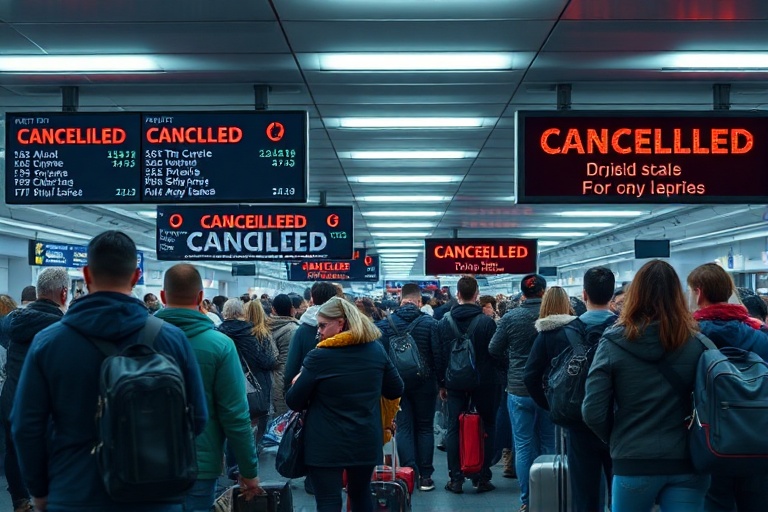
For passengers, the experience has been far from seamless. Long queues at customer service desks and overwhelmed call centres have become common sights. Those who booked through travel agencies or third-party websites have faced additional hurdles, as refunds and rebookings often require navigating multiple layers of bureaucracy. The emotional and financial toll on travellers is significant, particularly for families planning holidays or business travellers with tight schedules.
A Step-by-Step Guide for Affected Passengers
If your flight from Manchester Airport has been cancelled, taking immediate action can help minimise disruption. Start by checking your airline’s website or app for real-time updates. Most carriers provide automated rebooking options, allowing you to select alternative flights without waiting on hold. If you booked through a third party, contact them directly, as they may have different policies for cancellations.
Next, familiarise yourself with your rights under UK and EU regulations. Passengers are entitled to compensation for cancellations within the airline’s control, such as staff shortages or technical failures. However, cancellations due to extreme weather or strikes by third parties (e.g., air traffic control) may not qualify for compensation. Keep all receipts for additional expenses, such as meals or accommodation, as these may be reimbursable.
If you’re stranded overnight, check whether your airline offers hotel vouchers or discounted rates with partnered hotels. Some carriers also provide meal allowances for affected passengers. If you’re entitled to compensation and the airline is unresponsive, consider escalating your complaint to the UK Civil Aviation Authority (CAA) or seeking assistance from consumer rights organisations like Dave’s Locker Travel section.
Long-Term Solutions and Industry Outlook
The aviation industry is slowly recovering from the pandemic’s aftershocks, but recovery does not mean a return to pre-2020 norms. Airlines are investing heavily in recruitment drives, offering signing bonuses and training incentives to attract new pilots and crew. Manchester Airport, in collaboration with local training providers, has launched initiatives to upskill aviation professionals, ensuring a steady pipeline of talent for the future.
Technological advancements may also alleviate some of the strain. Airlines are increasingly adopting AI-driven scheduling tools to optimise crew rosters and predict staffing shortages before they occur. Automated customer service chatbots are being deployed to handle high volumes of queries, reducing wait times for passengers. However, these solutions require significant investment and time to implement effectively.
Looking ahead, the industry must address systemic issues to prevent future cancellations. This includes improving working conditions for aviation staff, investing in resilient infrastructure, and enhancing collaboration between airlines and airports. For passengers, the key takeaway is to plan ahead, monitor updates closely, and know your rights. While cancellations remain an unfortunate reality for now, awareness and preparation can make the experience more manageable.
Key Takeaways for Travellers
- Check for updates immediately: Airlines often provide real-time notifications via their apps or websites.
- Know your compensation rights: Cancellations within the airline’s control may entitle you to refunds or compensation under UK/EU law.
- Explore rebooking options: Many airlines offer flexible rebooking policies to help you reach your destination with minimal delay.
- Keep receipts: Save all expenses incurred due to cancellations, as these may be reimbursable.
- Seek assistance if needed: Organisations like the CAA or consumer rights groups can help resolve disputes with airlines.
Final Thoughts
Manchester Airport’s flight cancellations are a symptom of broader challenges facing the aviation industry. While airlines and airports work to resolve staffing and technical issues, passengers must remain vigilant and proactive. By staying informed and understanding your rights, you can navigate cancellations with greater ease. For more travel-related insights and advice, explore Dave’s Locker Travel section, where we break down industry trends and provide practical tips for travellers.
The road to recovery will be gradual, but with collective effort from airlines, airports, and passengers, Manchester Airport can restore confidence in its operations. Until then, preparation and patience will be your best allies.